Canaan Dog exercise needs: build a varied ordinary day
Plan Canaan Dog exercise needs with manageable walks, learning and optional scent activities, rather than a rigid mileage target or weekend-only routine.
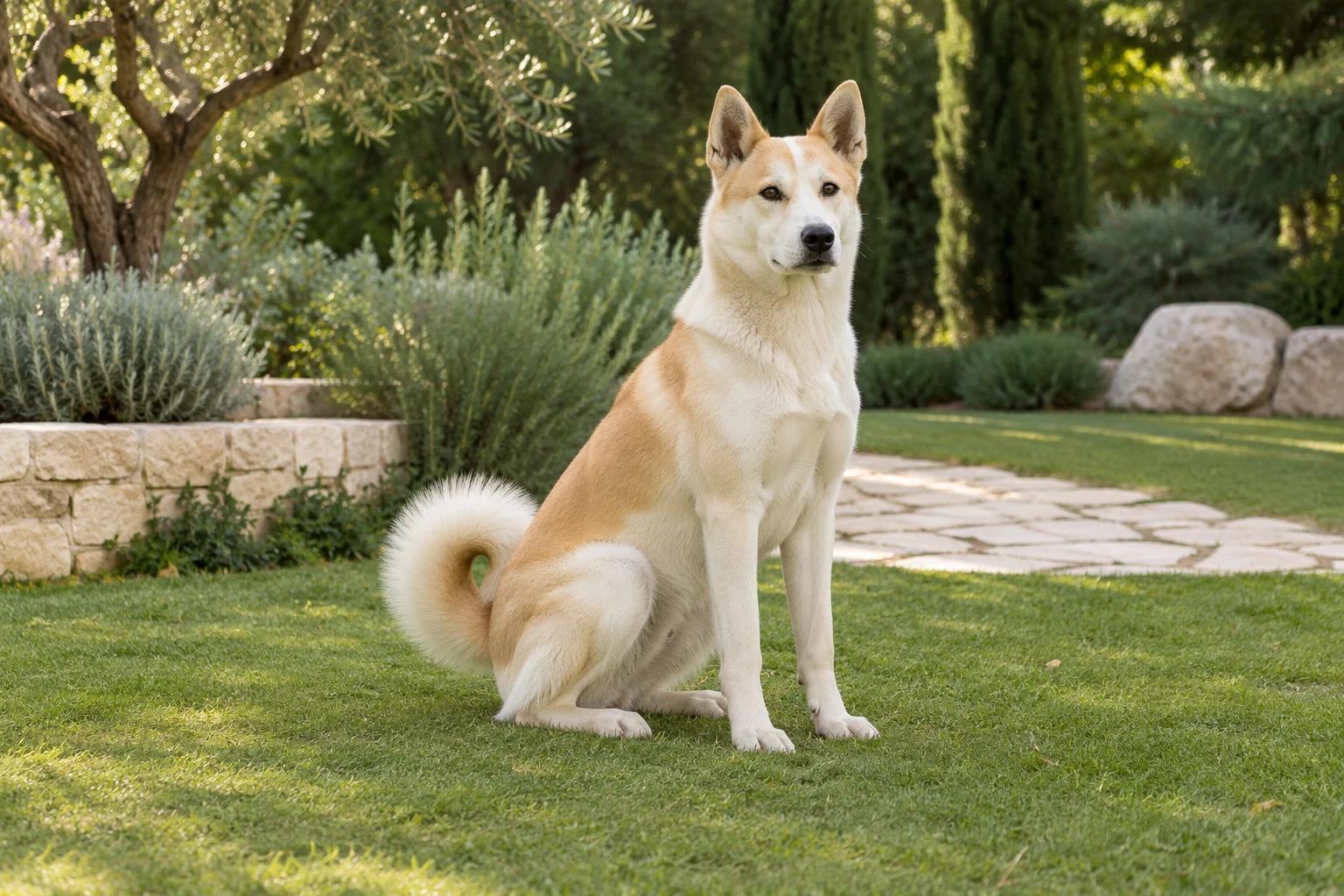
Canaan Dog exercise needs are better approached through a varied ordinary day than an ambitious mileage target. The breed's alertness and interest in activity deserve room in your routine, but you do not need to invent a universal endurance program. Movement, exploration, learning and rest serve different purposes.
The Canaan Dog profile places activity and mental engagement in the middle of its reference scale. Begin with a sustainable plan and adjust it to the individual dog's circumstances. A puppy, an established adult and a dog with veterinary restrictions should not be given the same program because they share a breed name.
Canaan Dog exercise needs are not a single number
If you are asking how much exercise does a Canaan Dog need, distinguish a practical starting routine from a precise prescription. The references used here do not establish a universal number of minutes for every dog. Ask the current caregiver what is familiar and discuss suitable activity with your veterinarian when age, condition or health history makes that necessary.
The Canaan Dog Club of America identifies organized activities including obedience and agility. That illustrates possible ways to participate, not a requirement that every Canaan enter a sport. Choose something appropriate to your dog and your ability to provide instruction.
Avoid copying the busiest owner's schedule simply because it sounds impressive. A routine you can deliver reliably is more useful than a demanding plan that disappears after the first enthusiastic week. Start with what the dog currently does comfortably and make changes thoughtfully.
Give different outings different purposes
A Canaan Dog daily walk need not be a continuous march. Some outings can emphasize familiar movement and toileting; others can provide time to explore an appropriate area. Deliberate training can be a separate brief component rather than the condition for every step outdoors.
An original planning example is to keep several suitable route options rather than one compulsory circuit. One might be straightforward for a busy day, another quieter when you want to practice and another more exploratory when circumstances allow. The point is flexibility, not a promise that a new route always provides better exercise.
Know what makes each route manageable. A path that is quiet at one time may be crowded at another. If conditions change, choosing a simpler outing is not a failure to meet the breed's identity. The useful activity is the one you can conduct appropriately with the dog you have today.
Let purposeful learning complement movement
Canaan Dog activity level is not the only consideration when planning the day. There is also the opportunity to investigate, learn a task or cooperate with you. Adding those experiences need not mean extending every walk or buying a collection of complicated toys.
Choose an activity with a clear purpose. You might practice an established everyday skill in an easy setting or work with an instructor on something new. Keep the task within the dog's current understanding and avoid adding a demanding lesson to an already difficult outing.
Think about your own participation as well. A routine that involves you watching the dog do something is different from one that involves the two of you learning together. Both can have a place, but do not count leaving equipment available as equivalent to an activity the dog understands and engages with.
Consider scent work without improvising the whole sport
The AKC introduction to scent work describes a sport in which dogs locate a target odor and communicate its location. It also points readers toward clubs and training facilities. That offers one possible avenue for purposeful activity beyond distance traveled.
If it interests you, ask an instructor about an introductory session suitable for your dog. Clarify how the search is taught, what equipment is needed and how the class handles dogs waiting for their turn. You do not need to buy scented materials or attempt a formal search setup before understanding the process.
Scent work is an option, not a breed obligation or a replacement for all outdoor movement. An introductory class may help you decide whether you enjoy it together. If it does not suit either of you, choose a different appropriate activity rather than persisting to satisfy a breed checklist.
Plan for interrupted days before they happen
A workable exercise routine includes days when your usual outing is unavailable. Bad conditions, a disrupted workday or an inaccessible route can all change the plan. Identify reasonable alternatives ahead of time rather than treating every interruption as a choice between doing nothing and making a risky outing.
For example, you might arrange help with an ordinary walk and keep a familiar indoor learning activity available. That is not a numerical replacement formula: a certain number of minutes indoors does not equal a certain distance outside. It is a way of maintaining care and engagement when circumstances change.
Avoid making the weekend carry the entire week's activity. Your dog lives through each day as it occurs, while your own availability may be uneven. Share responsibilities or adjust the plan so it is realistic across the week, not merely impressive in its longest entry.
Watch the whole routine, not just the end of the walk
After changing an activity, consider whether the day is working more smoothly overall. Do outings remain manageable? Is there room for rest afterward? Are you able to repeat the arrangement? These questions can guide a discussion with a trainer without pretending to measure a universal exercise requirement.
Do not treat every restless or vocal moment as proof that the walk was too short. Context, learning and the surrounding environment may also need attention. Increasing physical demand is not an all-purpose response to behavior you do not yet understand.
If the dog shows a new difficulty with activity or you suspect discomfort, consult your veterinarian rather than pushing through to complete a target. An exercise article cannot determine what is appropriate during a health concern, recovery or a change in condition.
Choose an owner routine as well as a dog activity
The exercise plan has to work for the people providing it. Decide who handles ordinary outings, who can help when plans change and what training support you can realistically access. A schedule that depends on one person's uninterrupted availability deserves a backup.
For a separate pre-ownership research step, see meeting an adult Canaan Dog. The breed match quiz can help compare your activity preferences with the broader ownership picture before you commit to a daily routine.
FAQ
Does every Canaan Dog need the same amount of walking?
No single walking duration fits every Canaan Dog. Consider the individual dog's age, current routine and circumstances, with veterinary guidance where appropriate. The breed reference supports a consistent, moderate activity plan rather than a universal mileage prescription.
Can scent work form part of a Canaan Dog's routine?
Scent work can be an optional learning activity to explore with appropriate instruction. It involves locating a target odor and communicating the find. It is not compulsory for the breed and does not replace every other part of daily care.
Should I add more exercise whenever my dog barks?
Barking does not by itself establish an exercise shortage. Consider what is happening around the dog and seek qualified help for persistent concerns. More physical activity is not a substitute for understanding the behavior or teaching useful everyday skills.
Sources behind this article
- Canaan Dog Club of America: Breed Information ↗
- American Kennel Club: Getting Started in Scent Work ↗
Article source checked: November 15, 2026. Source checked 2026-11-15
Keep reading

Afghan Hound Exercise Needs: Build a Workable Active Day
Read article →