Braque Saint Germain dog: an introduction for future owners
Meet the Braque Saint Germain dog and explore its origins, size, care needs and the questions to ask before choosing an individual.
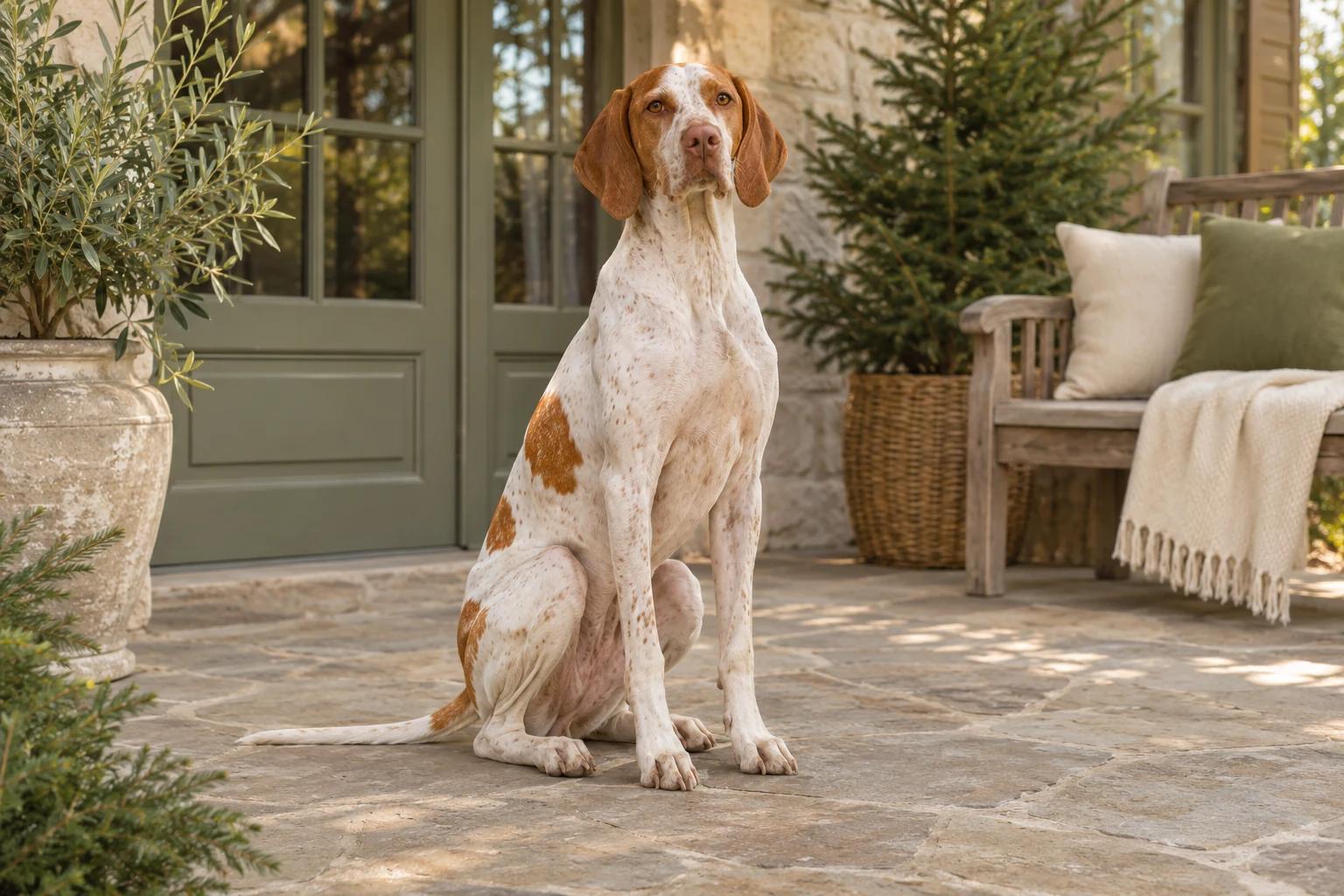
The Braque Saint Germain dog is a French pointing breed with a distinctive appearance and a reputation for sociability. If you have just encountered the name, it helps to begin with a few clear facts and then separate them from the decisions you need to make as a potential owner.
This introduction is a starting map rather than a promise about every dog. Read the Braque Saint-Germain profile alongside it, then use the questions below to guide conversations with people who know the breed and the individual you are considering.
Braque Saint Germain dog: identity and background
What is a Braque Saint Germain? The UKC history describes a French pointing breed developed around 1830 from English and continental pointing dogs. The FCI entry identifies France as its country of origin and places it in the continental pointing-dog section.
That history explains the sporting context, but it should not be used as a shortcut around present-day assessment. A dog's ancestry does not tell you exactly what it has learned, how it handles unfamiliar situations or which household will suit it.
You may encounter the name with or without a hyphen. Keep the complete name in your notes when researching, so information about other Braque breeds does not quietly become part of your description. Similar names can hide different physical and behavioral profiles.
Picture an adult, not only a puppy
The breed profile gives a general adult weight reference of 40–58 pounds. Before choosing a puppy, imagine the ordinary tasks you will share with an adult dog of that scale. Consider lead handling, access to resting areas and the space needed when everyone is moving through the house.
If you have an absolute size limit, discuss it early. A puppy's eventual dimensions cannot be guaranteed from a photograph or a sales description. Meeting adults and asking about family size provides context; choosing a known adult may answer a practical question more directly.
Avoid turning weight into a measure of merit. Bigger is not automatically better, and lighter is not automatically easier. Your veterinarian is the appropriate person to assess an individual dog's growth and condition.
Expect regular care, even without elaborate styling
The UKC standard describes a short coat. That does not remove the need for a care routine. Ask a breeder, caregiver or experienced groomer to show you the tools and handling the dog is accustomed to, rather than buying a large collection of products before understanding the task.
Plan where grooming will happen and how you will keep the area comfortable and secure. Include ordinary checks of nails, ears and teeth in the conversation with your veterinarian and groomer. If something seems painful or changes suddenly, seek professional advice rather than treating it as a cosmetic problem.
The existing article on the Saint-Germain's distinctive nose and coloring explores appearance in detail. For an ownership decision, keep that interest in proportion. An attractive color pattern does not provide information about training, compatibility or the quality of a placement.
Understand the appeal without accepting a guarantee
A Braque Saint Germain overview often emphasizes sociability and responsiveness. These are encouraging tendencies, not a complete description of life with every individual. Ask how an adult behaves when visitors arrive, during routine handling and when a familiar activity ends.
For puppies, ask what experiences have been introduced and how the breeder observes differences among littermates. A useful conversation includes what is still unfamiliar, not only what has gone smoothly. It should also give you room to describe your own limitations honestly.
If someone promises the dog will suit any family or never present a challenge, ask more questions. Thoughtful matching requires information about both sides. The goal is not to prove that the breed is universally easy, but to understand whether this dog and your home make sense together.
Put the first decisions in a sensible order
It is easy to choose a name and a bed before deciding who will provide care. Start with responsibilities. Identify who handles outings, who manages appointments and who can help if the usual caregiver is unavailable. Confirm those arrangements rather than assuming another person will step in.
Next, agree on the dog's spaces. Decide where it can rest undisturbed and how you would create separation from resident animals while introductions develop. Children need clear rules and adult supervision; the dog should not be responsible for teaching them boundaries.
Then think about learning support. Find out what suitable classes or individual instruction are available and whether they match your experience. A responsive breed still benefits from owners who know how to communicate clearly. Waiting until a problem becomes frustrating can make a preventable difficulty feel much larger.
Ask for information you can review after the visit
A meeting can be exciting, and important details are easy to forget. Request written information about the dog's routine, food, veterinary history and any available screening records. Ask what the placement agreement covers and what support is offered after the dog goes home.
For records relating to parents, check that identities and dates are clear and discuss their meaning with your veterinarian. A screening result is information to interpret, not a blanket assurance about a puppy's future. Do not substitute a verbal statement that “everything is fine” for the documents needed to understand it.
Write your own questions down before the visit. Leave room to record an answer or a follow-up rather than trying to make every decision immediately. A suitable match can withstand a careful conversation.
Decide whether the whole package fits
The Braque Saint Germain dog breed may appeal through its history, expression or potential as a shared-activity partner. Consider all of those interests alongside practical care. Which parts of living with the dog would you genuinely enjoy, and which would require dependable support?
The breed quiz can help organize your priorities. Treat the result as a prompt for further discussion, not an instruction to choose a particular animal. Individual variation, your household and the available information should remain part of the final decision.
FAQ
Is the Braque Saint-Germain a French breed?
Yes. The FCI identifies France as its country of origin and classifies it among continental pointing dogs. Its sporting background is useful context for researching ownership, but it does not describe every individual's training or behavior.
Is a short coat maintenance-free?
No. Regular coat care and attention to routine handling still belong in the plan. Ask someone experienced with the dog to demonstrate the familiar routine, and involve your veterinarian or groomer when you are unsure about a care task.
What should I ask before choosing one?
Ask about observed behavior, daily routines, relevant veterinary and screening records, placement terms and ongoing support. Explain your household and experience accurately. The best questions help both sides assess a specific match rather than repeating general praise for the breed.
Sources behind this article
Article source checked: November 14, 2026. Source checked 2026-11-14
Keep reading
Braque Saint Germain temperament: reading the dog
Read article →