Bracco Italiano vs German Shorthaired Pointer
Compare Bracco Italiano and German Shorthaired Pointer ownership through size, activity, training and the weekday routine each dog needs.
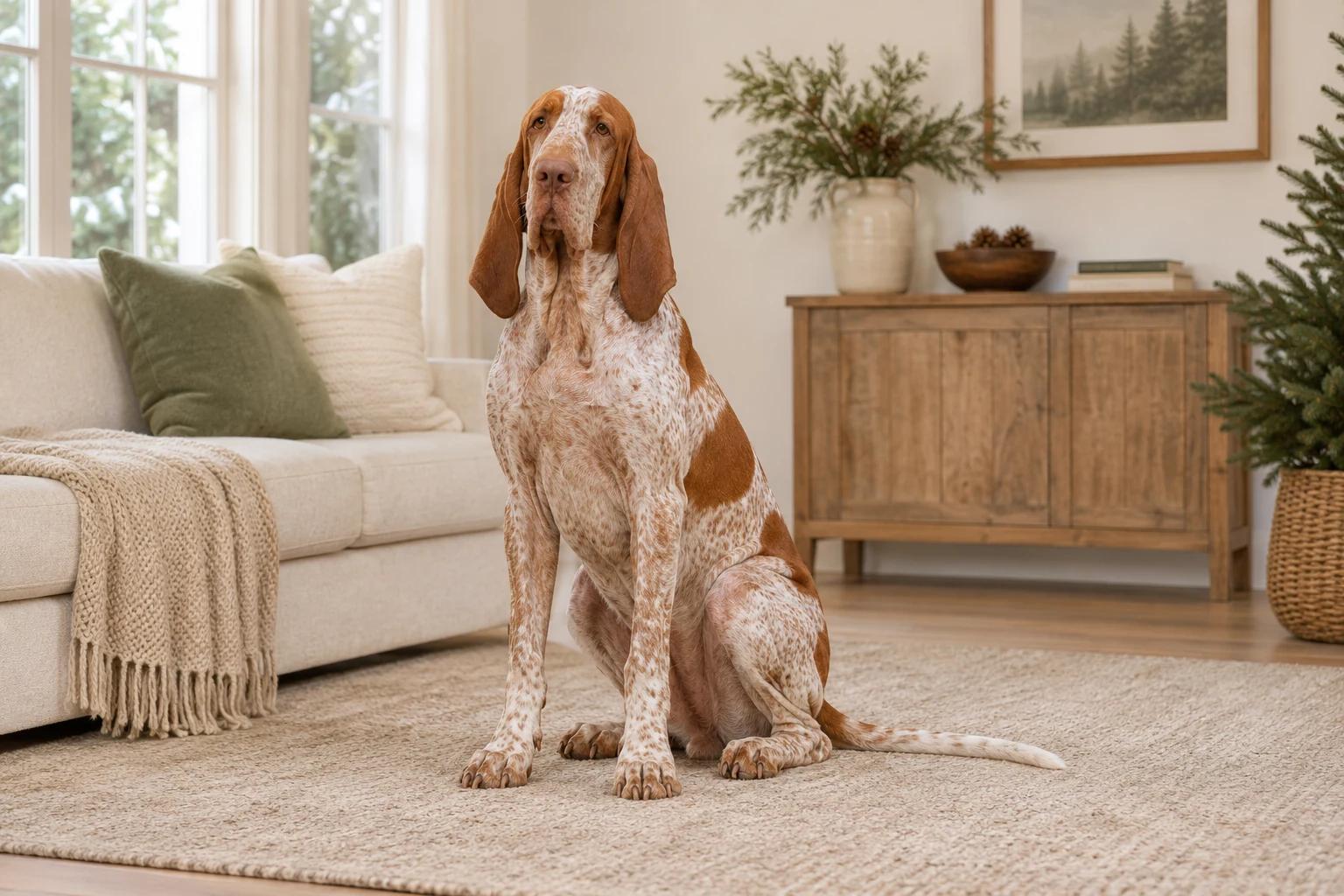
Bracco Italiano vs German Shorthaired Pointer is a choice between two sporting breeds, not between an active dog and an effortless alternative. Both deserve a household that enjoys doing things with a dog and can provide clear training, suitable outdoor access and reliable care. The more useful comparison is how a particular dog fits your ordinary Tuesday, including the hours when you are not on a scenic walk.
Begin with the Bracco Italiano profile and the German Shorthaired Pointer profile. Their reference information helps frame questions, but does not decide which individual will suit you.
Bracco Italiano vs German Shorthaired Pointer at home
The AKC Bracco introduction describes a pointing breed with a working heritage and a gentle manner in the home. Its German Shorthaired Pointer introduction emphasizes enthusiasm, vigorous activity and positive training. Neither description removes the need to teach settling, greetings and comfortable household routines.
If you are searching German Shorthaired Pointer vs Bracco Italiano because you want the quieter option, investigate actual dogs rather than relying on a ranking. Ask an owner what happens when the delivery arrives, a visitor sits down or the usual evening outing is late. Avoid choosing based on an isolated photograph of a dog asleep.
For noise concerns, ask about the individual dog in familiar and unfamiliar surroundings. Find out what prompts barking and what helps it settle again. Building rules, shared walls and your ability to manage predictable triggers matter more than a broad breed label.
Size affects more than floor space
The Bracco profile lists an adult range of 55–88 pounds and 21–27 inches. The GSP profile separates males and females: 55–70 pounds and 23–25 inches for males, and 45–60 pounds and 21–23 inches for females. These ranges overlap, but a larger Bracco can present a different handling and transport commitment.
The Bracco breed standard describes a solidly built, muscular pointing dog. Neither breed's range predicts an exact adult size for a puppy. Ask about the particular family and, for an adult, use its actual measurements when planning equipment.
Try your everyday spaces on paper
Measure the usable space in your car rather than guessing from the size of the boot. Think about where a dog can turn around in a hallway, where a resting bed fits and how you would manage transport if the dog needed assistance. These are practical questions for either breed, especially when one household member will do most of the handling.
A garden does not resolve all of this. Check gates, routes between the house and car, and access for a dog walker. Decide how the dog will be contained when guests arrive carrying luggage or groceries.
Compare activity by the week, not the weekend
The breed profiles place both breeds toward the active end of the scale, with the GSP rated higher for activity and mental engagement. Treat this as a prompt for planning rather than an exact exercise calculation. There is no useful rule that one breed needs precisely a fixed number of extra minutes.
Make two versions of your weekly plan: the enjoyable normal version and the version with overtime, bad weather and a missed outing. Identify who can help, where you can go and what suitable indoor learning activities are available. Ask your veterinarian about physical activities appropriate to your individual dog's age and condition.
The Bracco's distinctive working background is explained in our article on its working trot and scent search. That article is not a reason to presume a Bracco is a low-energy substitute for a GSP. A working style and a household exercise plan answer different questions.
Training is a shared responsibility
Both breed profiles indicate responsiveness to training. In everyday terms, this means you should have opportunities to build useful skills, not that either dog arrives with reliable recall or polite lead manners. Ask which household member will teach and which others will practise the same cues.
For either breed, start by describing the situations that matter: walking through a narrow entrance, waiting while a car door opens or resting while people prepare food. Make the environment manageable while the dog learns. A secure area and appropriate lead handling remain important even when training is progressing.
When discussing Bracco Italiano or German Shorthaired Pointer with breeders or rescue staff, ask for concrete examples of the available dog's learning. What rewards work? Which distractions are difficult? What does the dog already know in a home setting? Those answers are more informative than being told a breed is intelligent.
Coat care and household compatibility
Both profiles describe short, smooth coats. That makes elaborate hair styling a poor basis for choosing between them, but routine care still belongs in the calendar. Plan for coat checks, nails, ears and veterinary-guided dental care, alongside ordinary household cleaning. A short coat is not an absence of care.
Ask about experience with children and existing pets at the level of the individual dog. A positive general reputation cannot guarantee a safe pairing. Consider whether your home has enough space for managed introductions and separate rest areas. Adults should supervise children's interactions rather than delegate responsibility to the dog's temperament.
The biggest difference between Bracco Italiano and German Shorthaired Pointer for your household may turn out to be between two particular dogs: one accustomed to city journeys and another raised in a very different setting. Keep those details visible when comparing breeds.
FAQ
Which is better for a first-time owner?
Neither breed is automatically the better first dog. Compare your available time, physical handling arrangements, access to training help and interest in an active routine. An adult dog with a well-understood history may give you different information from choosing a puppy.
Is the Bracco Italiano larger than a German Shorthaired Pointer?
The Bracco Italiano's listed weight range extends higher, but the breeds overlap. Use the sex-specific GSP ranges and the particular dog's measurements rather than assuming every Bracco is bigger than every GSP.
How should I choose between these breeds?
Meet suitable adult dogs, ask about ordinary weekdays and compare the support available after placement. Use the breed quiz to organize your priorities, then test those priorities against your actual schedule. Choose a workable individual match, not a reputation alone.
Sources behind this article
Article source checked: November 14, 2026. Source checked 2026-11-14
Keep reading

Affenpinscher vs Brussels Griffon: Everyday Differences
Read article →