Boykin Spaniel vs Cocker Spaniel: Compare Your Routine
Compare Boykin Spaniel and American Cocker Spaniel size, coat care, training, activity, and everyday company before choosing an individual dog.
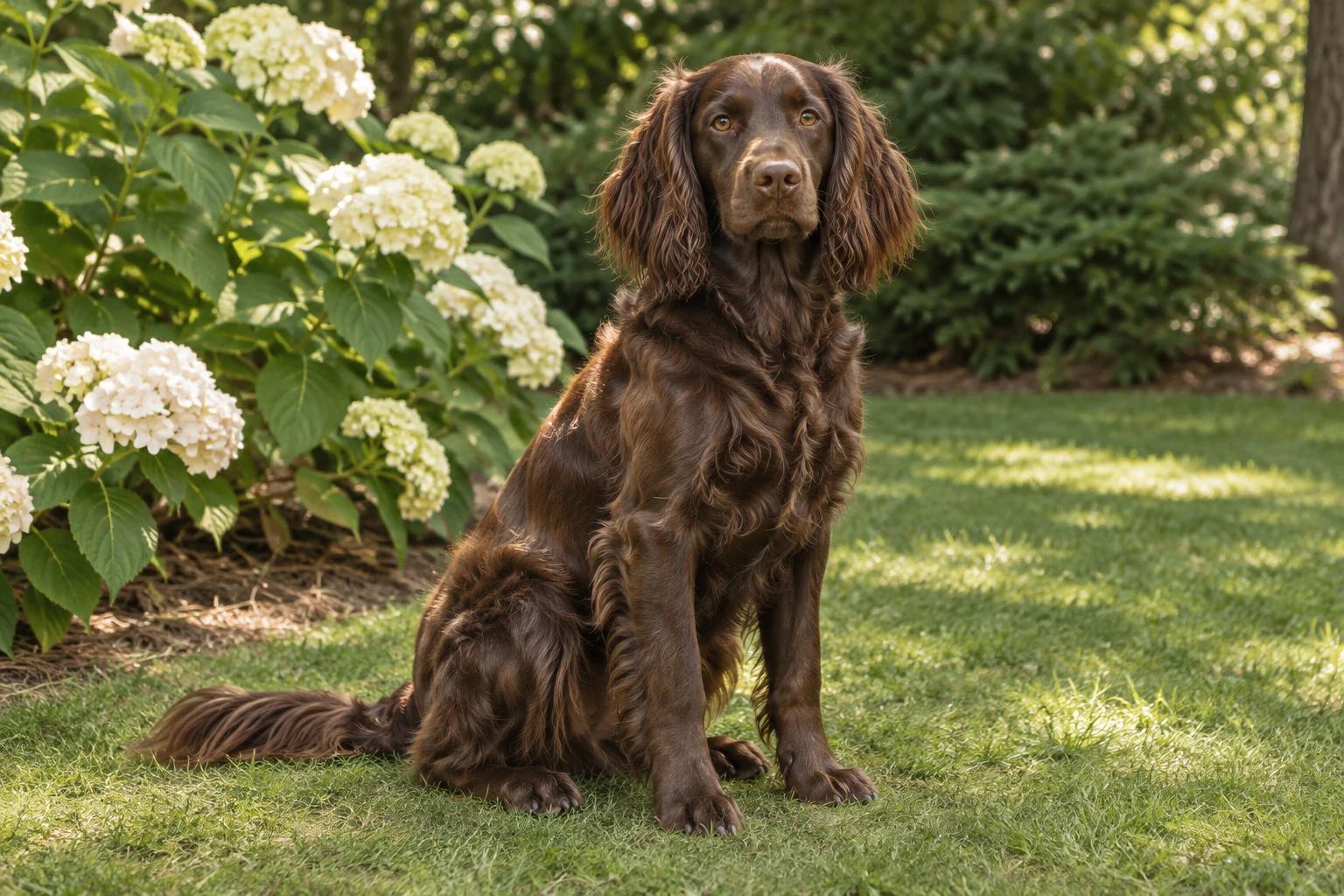
Boykin Spaniel vs Cocker Spaniel is a useful comparison for people drawn to an involved sporting companion. The choice should not be reduced to coat color or the impression that one is a working dog and the other is merely decorative. Both deserve a thoughtful daily plan.
This article uses the American Cocker Spaniel represented by the site's Cocker Spaniel profile, not the separate English Cocker Spaniel. Compare it with the Boykin Spaniel profile, then ask caregivers about the particular dogs you are considering.
Boykin Spaniel vs Cocker Spaniel: a shared sporting background
The AKC Boykin overview identifies flushing and retrieving work. The AKC Cocker overview also notes a hunting background, alongside the breed's familiar companion role. That shared context is worth remembering when looking at polished photographs.
Neither dog should be chosen on the assumption that companionship means little need for engagement. Ask what the individual enjoys learning, how its day is organized, and what happens when the normal routine changes.
A quieter adult may suit one household better than a busy puppy of the same breed. Experience, age, and the particular dog's preferences can matter more than an abstract comparison between two attractive labels.
Ask what the dog does, not only what it is called
Descriptions such as eager or merry become more useful when attached to examples. Does the dog approach readily for a training game? How does it behave after a walk? What kind of attention does it seek while people work?
Ask the same questions about both breeds. That helps you avoid comparing one caregiver's detailed account with another person's promotional summary.
Difference between Boykin Spaniel and Cocker Spaniel size
The difference between Boykin Spaniel and Cocker Spaniel size is clear enough to help planning, but not absolute for every pair. The site lists Boykin males at 30–40 pounds and females at 25–35 pounds. Cocker males are listed at 25–30 pounds and females at 20–25 pounds.
Boykin height references are also generally higher. However, do not choose transport equipment or a resting space solely from those ranges. Measure the actual dog and follow the equipment's fitting requirements.
Think about how the adult will move through your home. Can it rest comfortably without blocking a doorway? Will your vehicle arrangement still work with passengers and bags? These questions matter even when neither breed is especially large.
Avoid treating the smaller reference as a promise of easier handling. An untrained dog at either size can make ordinary routines difficult. Practical cooperation deserves teaching regardless of how manageable a puppy initially feels.
Coat care may be the most visible daily difference
The site's Cocker profile describes a long, silky coat, while the Boykin profile lists medium length. The everyday notes suggest brushing once or twice weekly for the Boykin. For the Cocker, VCA recommends brushing and combing 2–3 times a week to prevent mats. VCA specifies professional grooming and clipping monthly. AKC recommends combing and brushing daily to help prevent tangles and mats. AKC describes trimming as typically needed at least every 6 weeks; shorter puppy cuts may need less maintenance. The American Spaniel Club describes different bundled bathing, brushing and trimming routines for puppy cuts and longer coats; agree the individual coat plan with the groomer. Ask a groomer to adapt each dog's plan to its individual coat and chosen style.
For the Cocker, discuss how much maintenance a preferred appearance will require between appointments. A beautifully finished photograph does not tell you how much brushing or professional work produced it.
For the Boykin, do not mistake a natural outline for the absence of care. Ask how to check the coat after outings and which feathered areas deserve attention. Both dogs need more than a glance at the most visible surface.
Compare the work you are willing to repeat
Watch a maintenance demonstration for each if possible. Consider the space, tools, and confidence needed, as well as appointment costs. The better fit may be the routine you enjoy enough to keep doing.
Include ear, nail, and dental-care questions, with guidance from the appropriate professional. A grooming comparison should not turn into an assumption that one dog will avoid medical concerns because its coat is shorter.
Cocker Spaniel vs Boykin Spaniel activity and learning
A Cocker Spaniel vs Boykin Spaniel activity comparison should include the quality of your day, not just a proposed walking total. Both profiles describe activity as a meaningful part of the daily commitment. Plan outings for the individual dog rather than deriving an exercise quota or breed ranking from the summaries.
Discuss the actual dog's age, condition, and current activity with its caregiver and veterinarian. Do not increase exertion simply to match a breed description, and do not choose the Cocker because you assume a smaller body means no meaningful activity needs.
Both site profiles include daily training games. Think about whether you enjoy that kind of interaction. A useful lesson might involve attention, coming toward you in a manageable setting, or moving to a resting place when the household becomes busy.
Choose reward-based instruction and keep new experiences appropriately paced. A dog that responds well in a quiet room still needs practice elsewhere. Intelligence and eagerness do not remove the work of teaching.
Company, visitors, and other animals
Ask how the individual dog shares time with people rather than expecting a specific level of physical affection or an effortless routine when left alone.
Discuss your work schedule honestly. If nobody is home for long periods, identify what support would be available and how the dog's needs would be met. Do not rely on an affectionate first visit to predict comfort with your absence.
Children and other animals require individual assessment, appropriate introductions, and adult supervision. Neither a high social reference rating nor a sporting background guarantees compatibility with a particular household.
Provide a resting space where the dog will not be pursued or repeatedly interrupted. Your plan for visitors should allow the dog to observe or step away rather than making every arrival a compulsory greeting.
Boykin Spaniel or Cocker Spaniel: decide with practical evidence
When choosing Boykin Spaniel or Cocker Spaniel, compare the care records and routine of each actual dog. Ask about adult relatives where appropriate, ongoing support, and what information remains uncertain. Discuss health screening with your veterinarian without treating it as a promise about the future.
If the Boykin's water-related background interests you, read the first water-introduction article separately. That interest should not replace the broader comparison or become a demand that every Boykin enjoy swimming.
The breed quiz can help organize your priorities. Then focus on the combination you can sustain: suitable activity, regular learning, coat maintenance, and company. The right choice is a dog and a routine, not a verdict that one spaniel is better than the other.
FAQ
Does this comparison cover the English Cocker Spaniel?
No. It uses the American Cocker Spaniel represented by My Breed Atlas's Cocker Spaniel profile. The English Cocker Spaniel is a separate breed and needs its own comparison.
Is a Boykin Spaniel usually larger than a Cocker Spaniel?
The site's Boykin references generally extend higher in height and weight, although individual sizes overlap. Measure the actual dog when planning equipment and transport.
Which breed needs more coat care?
For the Cocker, whose listed coat is longer, VCA recommends brushing and combing 2–3 times a week to prevent mats. VCA specifies professional grooming and clipping monthly. AKC recommends combing and brushing daily to help prevent tangles and mats. AKC describes trimming as typically needed at least every 6 weeks; shorter puppy cuts may need less maintenance. The American Spaniel Club describes different bundled bathing, brushing and trimming routines for puppy cuts and longer coats; agree the individual coat plan with the groomer. Both dogs need routines adapted to the individual coat, activities and chosen appearance.
Which is the better family companion?
That depends on the particular dog and household. Compare routines, experience, care needs, and available supervision rather than relying on a breed-wide family label.
Sources behind this article
- AKC Boykin Spaniel overview ↗
- AKC Cocker Spaniel overview ↗
- VCA American Cocker Spaniel ↗
- AKC, English Cocker Spaniel vs. Cocker Spaniel ↗
- American Spaniel Club, Choosing a Cocker ↗
Article source checked: November 14, 2026. Source checked 2026-11-14Article source checked: November 18, 2026. Source checked 2026-11-18
Keep reading

Affenpinscher vs Brussels Griffon: Everyday Differences
Read article →