Boykin Spaniel Grooming: A Routine for Coat and Outings
Plan Boykin Spaniel grooming around feathering, brushing, shedding cleanup, handling practice, and coat checks after ordinary outings.
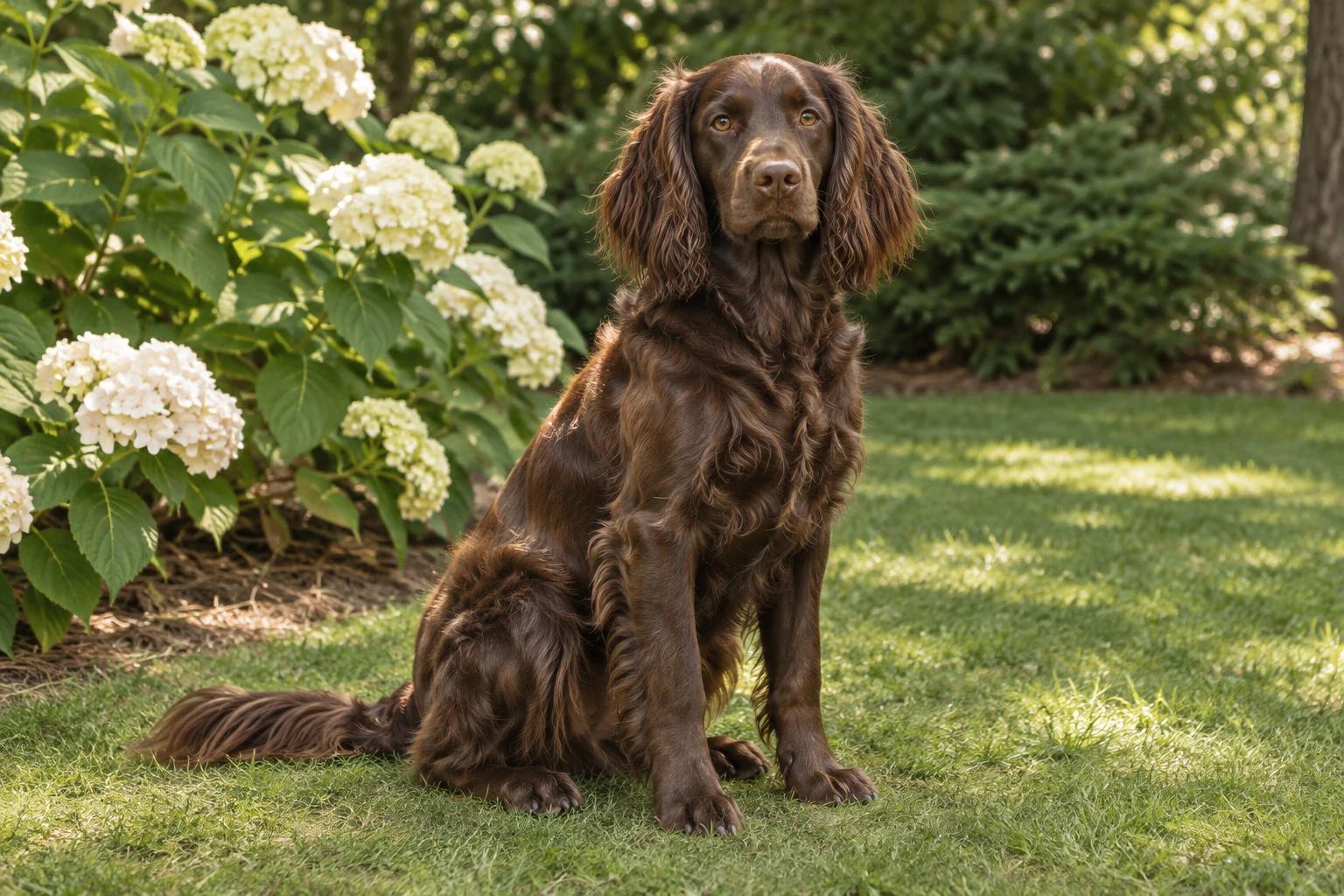
Boykin Spaniel grooming should fit the dog's ordinary week, including the places you walk and the amount of coat you maintain. A natural-looking spaniel still needs attention; the absence of an elaborate hairstyle does not make coat care disappear.
The Boykin Spaniel profile describes a medium-length coat and suggests brushing once or twice a week in its everyday notes. Use that as a starting point for a practical discussion with a groomer, then adapt the routine to the individual dog's condition and activities.
Boykin Spaniel grooming: notice the feathering
The official Boykin standard describes light feathering around the ears, chest, legs, and belly. Those areas deserve attention when you learn the coat, rather than assuming a quick pass over the back completes the job.
Ask an experienced groomer to show you how to inspect and work through a section comfortably. Have them explain how to recognize a finished area and what should make you stop. That is more useful than purchasing tools without knowing how they will be used.
Look at the dog's posture too. Can you reach the relevant area without stretching the dog into an awkward position? A practical setup helps both of you, especially when care is repeated throughout the week.
Make a small, usable coat-care kit
Choose tools after receiving advice about your dog's coat. Keep them clean, together, and accessible to the person doing the work. More equipment does not necessarily produce a better routine.
Include a simple note of the demonstrated method if several people share care. Record any areas left unfinished so the next person does not assume that a tidy-looking back means the entire coat has been checked.
Boykin Spaniel coat care after outings
Boykin Spaniel coat care is easier to remember when it has a natural place in the return-home routine. Before the dog settles indoors, take a moment to look over the coat and notice whether the outing created any extra work.
The Boykin parent-club flier notes that neglected coats can tangle and that grooming provides an opportunity to notice changes. Use that limited principle to guide observation, not to diagnose skin problems yourself.
A muddy path, dry vegetation, and a clean pavement walk may leave different things to check. Keep a towel and adequate light available rather than discovering an awkward coat problem when you are already trying to leave again.
If something is caught firmly or you cannot work comfortably, ask for professional help. Do not repeatedly tug or improvise close cutting. New pain, altered skin, or an unusual change in the coat should be discussed with your veterinarian.
Make the return route convenient
Choose a place where the dog can stand without blocking the main entrance. In a small home, a little rearrangement can make the difference between a useful check and a rushed glance while everyone squeezes past.
Tell helpers what you expect after outings. A short instruction such as “check the feathering before settling” is clearer when accompanied by a demonstration of what that means for your dog.
Boykin Spaniel shedding and cleanup
Boykin Spaniel shedding is part of the site's care picture. Brushing and household cleanup are separate jobs, and neither should be treated as evidence that the other has failed when a little hair remains.
Decide where cleanup is most useful. Washable covers in favorite resting places may simplify the week. Keep suitable cleaning equipment close enough that a small task does not become a postponed whole-house project.
Use your own dog as the reference. Photographs of enormous piles of hair from other dogs do not tell you what a normal session should produce. The time since grooming and the way hair was collected can change the appearance considerably.
If shedding changes unexpectedly, or hair loss is accompanied by discomfort or skin changes, contact your veterinarian. A different brush or a more forceful session is not a substitute for finding out what has changed.
How to groom a Boykin Spaniel cooperatively
Learning how to groom a Boykin Spaniel includes helping the dog understand handling. Practice easy, brief interactions before you need to complete a difficult task. A new grooming space, unfamiliar tool, and tangled coat are a lot to introduce at once.
Ask your groomer or a reward-based trainer to help you choose a manageable starting point. Perhaps that is approaching the grooming area or standing comfortably for a moment. Progress should be based on what the dog can accept, not on completing a checklist at the first attempt.
Keep instruction specific. Ask where your hands should be, how much pressure is appropriate, and how to pause without creating confusion. Demonstration and feedback are more helpful than being told simply to be confident.
If a normally familiar task becomes difficult, consider comfort and equipment before labeling the dog uncooperative. Stop when handling appears painful and seek veterinary advice. Routine care should not become a contest of endurance.
Bathing and trimming: ask what this dog needs
Discuss bathing around actual condition and activity rather than choosing a fixed interval from someone else's calendar. Ask which products are suitable, how to rinse and dry appropriately, and whether your home setup is practical.
For trimming, explain what you want to make easier between appointments. A natural companion appearance and a show presentation may involve different expectations. Ask what maintenance the proposed finish requires before agreeing to it.
Do not attempt close work around sensitive areas without appropriate instruction. An appointment can be valuable because of the groomer's handling skills and equipment, not merely because the dog needs a different outline.
Keep ear, nail, and dental-care questions on your list, but seek individual guidance from the appropriate professional. This is a coat-planning article, not a treatment or ear-cleaning procedure.
Keep the routine connected to the rest of care
At the next appointment, explain which parts of the routine were manageable and which were not. A recurring problem may call for a different technique, a revised style, or more hands-on instruction. The useful outcome is a plan you can actually follow.
If water outings are part of your interests, read the first water-introduction guide separately. Grooming preparation does not establish swimming readiness or remove the need for water-specific supervision.
For prospective owners, the breed quiz can help weigh coat care alongside training and activity. A Boykin's informal appearance should invite a practical routine, not the assumption that there will be none.
FAQ
How often should I brush a Boykin Spaniel?
The site's everyday notes suggest once or twice weekly as a starting point. Ask a groomer to adjust the routine for your dog's coat, feathering, and activities, and check areas that need attention between sessions.
Do Boykin Spaniels shed?
Yes. Regular shedding is part of the site's reference description. Plan both coat maintenance and household cleanup rather than expecting brushing to remove every loose hair permanently.
Does a natural-looking Boykin coat still need grooming?
Yes. Feathering and the rest of the coat need regular attention even without an elaborate haircut. Learn how to check the coat rather than judging it only by its overall appearance.
Should I bathe my Boykin after every outing?
Not automatically. Assess what the outing left on the coat and ask your groomer or veterinarian about an appropriate bathing routine. Avoid turning every return home into a full wash without a reason.
Sources behind this article
- AKC official Boykin Spaniel standard ↗
- Boykin Spaniel Club and Breeders Association of America flier ↗
Article source checked: November 14, 2026. Source checked 2026-11-14
Keep reading

Affenpinscher Grooming: A Practical Coat-Care Routine
Read article →