Border Terrier vs Cairn Terrier: A Practical Comparison
Compare Border Terrier vs Cairn Terrier through size, coat care, activity, curiosity, and the questions that help you choose an individual dog.
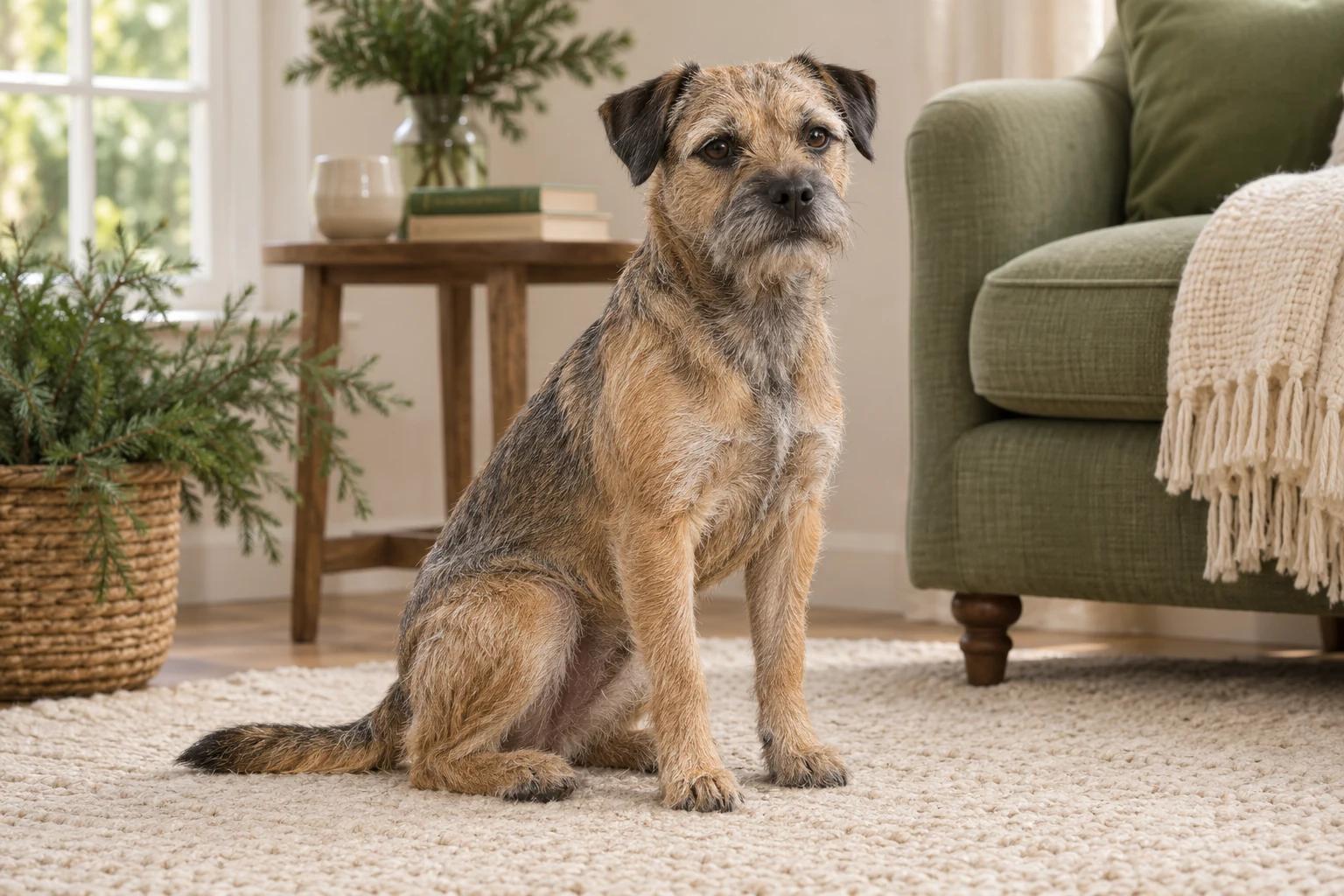
Border Terrier vs Cairn Terrier is a comparison between two compact terriers with plenty to contribute to daily life. Their manageable size can be appealing, but neither should be selected simply because you want a dog that takes up little space. Outings, learning, coat care, and the dog's interests still need room in your week.
Start with the Border Terrier profile and Cairn Terrier profile. Compare the practical commitments, then ask how the individual dogs you meet actually live. Similar weights do not make two personalities interchangeable.
Border Terrier vs Cairn Terrier: what is genuinely different?
Appearance offers a useful first distinction. The Border Terrier's site profile describes a short, wiry coat. The Cairn's describes a medium-length, double, wiry coat. Both have a natural-looking presentation, but looking informal does not mean a coat looks after itself.
Their reference dimensions differ too. My Breed Atlas lists the Border at 12 to 15 inches tall, with adult weights spanning 12–16 pounds overall. The Cairn reference lists males at 10 inches and females at 9.5 inches, with a 13–17-pound weight range for either sex.
Those figures help you picture scale rather than predict an exact puppy outcome. The weight references overlap, while the height descriptions give a different impression of outline. Meet adult dogs when possible and measure your actual home and transport arrangements.
Compare at floor level
Think about the places a small terrier will navigate: chair legs, narrow gates, gaps near fences, and the route to an outdoor area. The practical question is not only whether the dog fits in a room, but whether the room can be arranged comfortably and securely.
If you plan to lift the dog regularly, discuss handling with the current caregiver. Do not assume that being small means enjoying being picked up or that carrying can replace teaching ordinary movement around the home.
Curiosity and activity deserve their own plan
The AKC Cairn Terrier overview describes a curious, alert earthdog with an interest in exploring and digging. The AKC Border Terrier overview describes an agile working terrier. These backgrounds are useful prompts for questions, not a complete behavior forecast.
When comparing Cairn Terrier vs Border Terrier, ask what the dog does outdoors when nothing special has been arranged. Does it investigate the boundary, follow a familiar route, watch activity beyond the garden, or seek interaction? Ask the caregiver to describe an ordinary outing rather than only the dog's favorite game.
Both site profiles describe a meaningful daily activity routine. Do not look for a sharp exercise winner from size alone. Instead, consider whether you can provide consistent outings and engagement for the individual, with veterinary advice about suitable activity where needed.
A garden can be part of the arrangement, but it is not a complete answer. Check the boundaries, agree on supervision, and think about how the dog will spend time there. An interesting outdoor space still needs a plan for access and management.
Learning styles: investigate rather than stereotype
The difference between Border Terrier and Cairn Terrier is not that one needs teaching while the other naturally understands household rules. Both need clear communication about what works in their new home. Ask which cues are familiar and how they were taught.
For each dog you meet, request an example of a recent learning challenge. What was the first step, which reward mattered, and what changed when the setup was difficult? The answer reveals more than a simple claim that the dog is clever or stubborn.
Think about your own teaching habits. Do you enjoy small daily games? Can you remain patient when a new environment makes a familiar skill harder? Are the people in your household willing to use consistent cues? Those questions apply to either breed.
Choose a trainer who can explain a practical starting point and uses reward-based methods. You should leave a lesson understanding what to try next, not feeling that terrier behavior requires a contest of wills.
Coat care and household cleanup
For the Border Terrier’s ordinary brushing, AKC describes brushing once a week or every 2 weeks as sufficient most of the year. Relatively light loose hair does not settle either dog's full care plan. That comparison concerns routine care; it does not establish identical tools, identical appointments, or a complete absence of shedding.
Ask a groomer familiar with the relevant breed to examine the actual coat. Discuss what has been done previously and what you want to maintain. A general request to “make it shorter” can leave important details about method and finish unresolved.
Consider the less visible work too. Where will towels be kept after a wet outing? Which resting places can be cleaned easily? Can someone else maintain the routine while you are away? These ordinary arrangements matter more than selecting the tidiest-looking photograph.
If coat care is a major deciding factor, watch a demonstration before committing. Handling a suitable brush under guidance can quickly make the maintenance more concrete than reading another list of breed adjectives.
Company, surroundings, and individual history
Ask how the individual dog shares time with people, including when it seeks contact and when it chooses to rest elsewhere. Do not assume a reliable closeness ranking between the breeds.
Ask what happens during an ordinary quiet period. Where does the dog rest? Does it follow every movement, choose another room, or change places through the afternoon? A familiar caregiver can describe these patterns more accurately than an imagined future based on ancestry.
For noise-sensitive homes, ask directly about vocal behavior and its triggers. Do not infer quietness from size or compare breeds using a single unsupported label. The dog's experience and the household setting both deserve attention.
Choosing a Border Terrier or Cairn Terrier
If you are deciding between a Border Terrier or Cairn Terrier, make a shortlist of needs rather than a scorecard of virtues. Include your available outing time, interest in teaching, grooming arrangements, and constraints around shared space.
The breed quiz can help organize those priorities. For another part of Border Terrier research, read understanding a SLEM carrier result. Health documentation is a separate conversation from personality and should be discussed with a veterinarian when you need interpretation.
The most useful next step is often meeting well-understood adult dogs and asking specific questions. You may discover that one individual fits your arrangements well, that neither does, or that you need more experience before choosing. All are useful outcomes of a careful comparison.
FAQ
Is a Border Terrier bigger than a Cairn Terrier?
The site's Border Terrier height range is taller than its Cairn Terrier reference heights, but the weight references overlap. Neither breed name predicts an exact adult size. Use the profile measurements for planning and assess the individual dog.
Which breed needs less grooming?
The current Border Terrier brushing account states: AKC describes brushing once a week or every 2 weeks as sufficient most of the year. Their coats are not identical, so ask an experienced groomer about tools and any additional coat management. Light loose hair does not mean no care.
Is a Cairn Terrier just a shaggier Border Terrier?
No. They are distinct breeds with separate histories and profiles. Their compact size and terrier appearance can invite comparison, but choosing between them should include individual behavior, care needs, and the household arrangement, not coat appearance alone.
Which should I choose for a small home?
Compare the actual dogs and your daily arrangements rather than deciding from floor area alone. Outdoor access, teaching time, coat care, noise, and companionship all matter. A small home can still require careful planning for a compact, active terrier.
Sources behind this article
Article source checked: November 14, 2026. Source checked 2026-11-14
Keep reading

Affenpinscher vs Brussels Griffon: Everyday Differences
Read article →