Border Collie vs Bearded Collie: Compare Everyday Life
Compare Border Collie vs Bearded Collie through coat care, activity, learning, noise, and the practical questions to ask about an individual dog.
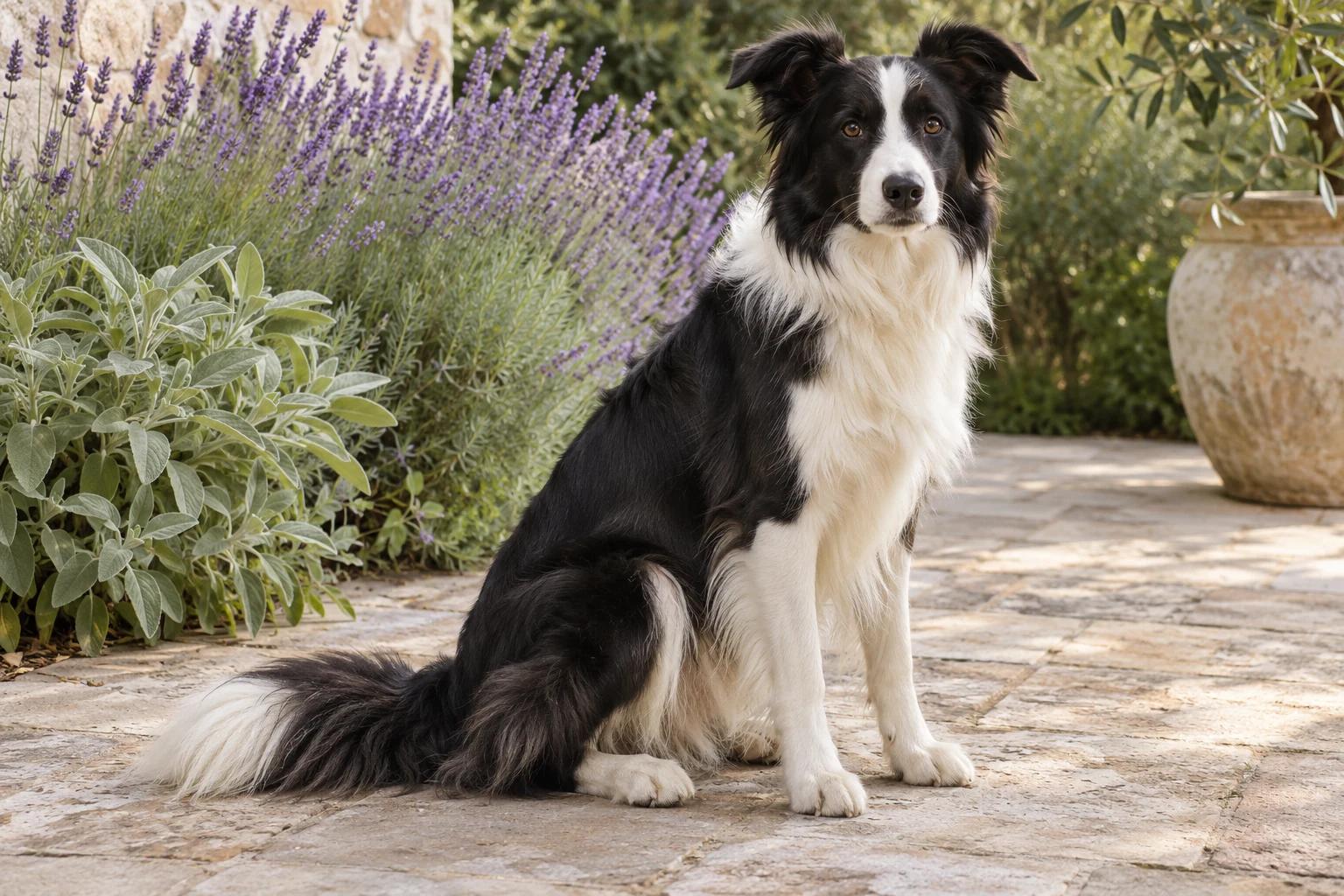
Border Collie vs Bearded Collie is a choice between two active herding breeds, not between an energetic dog and an effortless alternative. Their names sound similar, but the practical comparison reaches beyond appearance: coat care, how you enjoy teaching, and what life sounds like at home all deserve attention.
Read the Border Collie profile beside the Bearded Collie profile. Use them to organize questions about actual dogs. Neither a breed label nor a photograph can tell you how an individual will behave in your household.
Border Collie vs Bearded Collie: begin with the daily jobs
Picture the tasks you would do before looking at attractive photographs. You will arrange outings, manage a coat, teach ordinary manners, and make space for companionship. Which tasks do you genuinely enjoy, and which would become a strain when the weather or your schedule changes?
For the Border Collie, the site's profile emphasizes substantial activity and mental engagement. For the Bearded Collie, it also describes the need for a meaningful outing, alongside a long coat that deserves regular attention. Choosing the Beardie does not remove the exercise commitment; choosing the Border does not remove grooming.
Write down your three most important practical limits. Perhaps you share walls, dislike extended coat care, or need help during a long workday. Those limits provide a better comparison than asking which breed is generally “better.”
Activity and the kind of partnership you enjoy
The AKC Border Collie overview stresses energy and the resources needed to keep the dog occupied. The AKC Bearded Collie overview describes an active outdoor dog with an independent working background. These are broad tendencies, not forecasts of a particular dog's response to you.
When comparing Bearded Collie vs Border Collie, ask what participation you want from the relationship. Do you enjoy breaking a task into small pieces and noticing tiny changes? Do you want an outdoor companion and also welcome the patient work of teaching everyday skills? Both questions matter whichever breed you favor.
Avoid ranking intelligence as if it were a household convenience score. A dog that notices things quickly still needs guidance about which actions work in your home. An independent response is not a reason to escalate pressure; it is a reason to examine the task, motivation, and environment.
Observe an ordinary transition
During a visit, ask to see something unremarkable: preparation for a walk, putting equipment away, or moving from an activity to quiet company. A polished demonstration shows a rehearsed skill. Ordinary transitions reveal the practical arrangements the current caregiver uses.
Ask how those arrangements were taught and what remains difficult. You are not grading the dog. You are learning which responsibilities would come with it and whether you have suitable support.
Coat care is a visible difference
The difference between Border Collie and Bearded Collie is particularly obvious in coat presentation. The site's Border Collie reference includes rough and smooth appearances, while the Bearded Collie has a long, shaggy-looking coat. Both profiles describe regular shedding.
Ask for a practical grooming demonstration for each coat rather than assuming which breed takes fewer minutes. Coat length, condition, activities, and your technique affect what a session actually involves.
Ask a groomer to explain the routine for the individual dog you are considering. Watch how the coat is checked and which areas require care. If you have never maintained a long coat, trying the task with guidance is more informative than estimating the workload from a picture.
Consider cleanup beyond brushing. Where will a wet dog pause after an outing? Which resting places are washable? Who handles care when you are away? A workable answer can make a demanding coat more manageable, but it does not make the work disappear.
Size and space: measure your real arrangements
My Breed Atlas lists adult weight at 30–45 pounds for the Border Collie and 45–60 pounds for the Bearded Collie. These reference ranges meet at 45 pounds; neither breed name predicts an individual dog's exact adult weight.
Look at the spaces the dog would actually use: the route through your hallway, the resting area beside your desk, and the arrangement in your vehicle. A coat can affect the visual impression of size, but a photograph is not a measurement of the space a dog needs.
If lifting or transporting a dog would be difficult for you, discuss that limitation before choosing. Plan ordinary access and assistance without assuming every individual will land at the smaller end of its breed's range.
Voice, neighbors, and shared living
The site's current notes describe variable voice in Border Collies and some barking through the day as typical for Bearded Collies. Neither description tells you exactly how much a particular dog will vocalize in a new setting.
Ask about specific situations: arrivals at the door, activity outside a window, another dog passing, or anticipation of an outing. “Is this dog noisy?” is less useful than learning what happens, how often, and what the caregiver does about it.
For shared housing, consider the layout as well as the breed. A resting place beside a busy communal entrance presents a different situation from a quieter room. You need an arrangement suited to the dog you meet, not reassurance based on a general label.
Choosing a Border Collie or Bearded Collie
Choosing a Border Collie or Bearded Collie becomes clearer when you compare evidence about individual dogs against your actual week. Ask for examples from normal home life, not only descriptions of personality. Where does the dog rest, what outings are familiar, and how does coat care happen?
For a deeper look at the Border Collie ownership commitment, read planning for a busy mind. The breed quiz can help you organize lifestyle priorities, but it should not replace meeting dogs and discussing their histories with knowledgeable caregivers.
Leave room for neither breed to fit. A comparison is useful when it clarifies your needs, even if the result is a different shortlist rather than a winner.
FAQ
Is a Bearded Collie a longhaired Border Collie?
No. Border Collies and Bearded Collies are distinct breeds. Compare their own profiles and meet individual dogs rather than treating one as a coat variation of the other. Their similar names do not make their care or behavior interchangeable.
Which breed needs less exercise?
Both profiles describe a meaningful activity commitment. Do not choose either on the assumption that it needs only occasional outings. Ask about the actual dog's routine and seek veterinary guidance on suitable activity for its age and condition.
Which breed is easier to groom?
The answer depends on the individual coat and your skills. Ask a groomer to explain the routine for each individual coat. A grooming demonstration is more useful than assuming shorter-looking hair always means negligible maintenance.
Which breed is quieter?
The site's notes describe variable voice for Border Collies and some daily barking for Bearded Collies. These tendencies do not predict an individual dog's volume or triggers. Ask the current caregiver about ordinary situations and consider your household's noise constraints.
Sources behind this article
Article source checked: November 14, 2026. Source checked 2026-11-14
Keep reading

Affenpinscher vs Brussels Griffon: Everyday Differences
Read article →