Border Collie Exercise Needs: Choosing Useful Activities
Explore Border Collie exercise needs through varied walks, introductory sports, useful games, and activity choices suited to the individual dog.
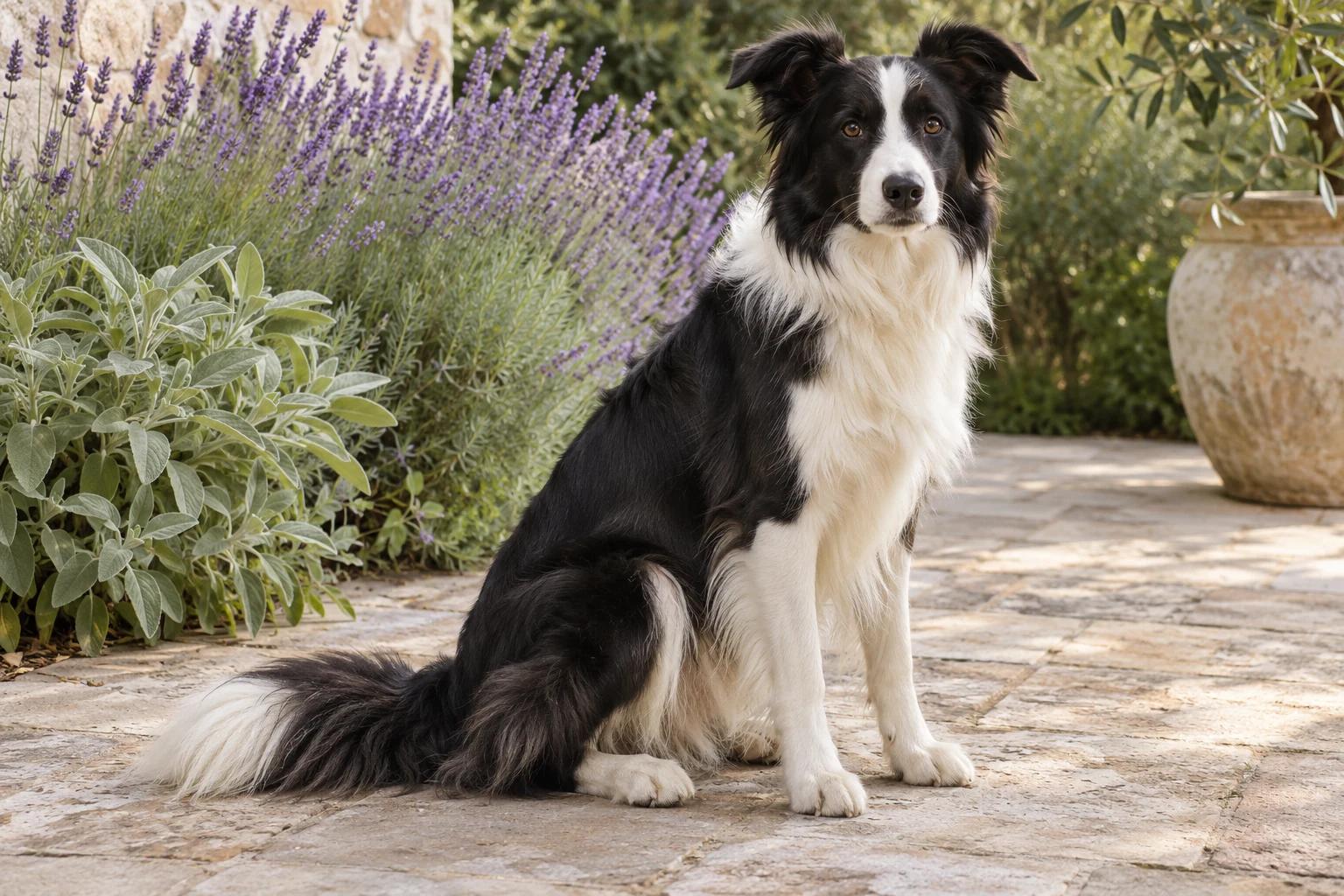
Border Collie exercise needs are better approached as a choice of suitable activities than a competition to cover the greatest distance. A walk, a search game, and a supervised introduction to a sport offer different experiences. The useful question is what each activity contributes to this particular dog's day.
The Border Collie profile describes a dog needing substantial activity and mental engagement. This guide looks at choosing outings and games, rather than repeating the broader ownership question of whether you enjoy teaching a busy dog.
Border Collie exercise needs: choose variety with a purpose
The AKC breed overview emphasizes the time and energy involved in keeping this active worker occupied. That does not mean every outing must become a high-speed performance. Decide what you want an activity to offer before choosing the equipment or destination.
One outing might provide exploration along a familiar path. Another might involve practicing a useful skill in an uncluttered space. A class can introduce a shared hobby with guidance. These are different options, not boxes that every Border Collie must tick every day.
Start with activities the dog already knows. Ask its current caregiver what a typical outing involves, which environments feel comfortable, and what equipment is familiar. An activity that looks ordinary on paper can still be a major change for a dog new to your home.
Separate movement from excitement
Describe an activity precisely. “A park visit” could mean walking along a quiet boundary, joining an unpredictable group of dogs, or repeatedly chasing a ball. Those experiences are not interchangeable simply because they happen in the same place.
Choose the version that suits the individual rather than assuming the busiest option is best. If an outing is difficult to manage, changing the setting or format may be more useful than extending its length.
How much exercise does a Border Collie need?
The answer to how much exercise does a Border Collie need depends on the dog's age, condition, experience, and the activity itself. A universal number of minutes cannot account for those differences. The AKC exercise guide likewise treats age, breed, and health as relevant factors rather than prescribing one duration for all dogs.
Bring concrete information to your veterinarian when discussing suitable activity. Describe the terrain, pace, transport, and any proposed sport, not just the total time outdoors. “Walking on level paths with pauses” conveys something different from “running alongside a bicycle,” even when both take the same time.
For a puppy, do not copy an adult dog's program. For an older dog or one returning after a change in health, ask what adjustments are appropriate. Keep the decision tied to the individual rather than to an online challenge or another owner's mileage.
Make a Border Collie daily walk more useful
A Border Collie daily walk can have a simple structure without becoming a continuous obedience test. Select a route with room to move, opportunities to explore, and a practical way to turn back. Knowing your options makes it easier to change the outing without feeling committed to a full circuit.
Look at the route in sections. A narrow entrance might require close attention; a wider path may offer more freedom on suitable equipment. A quiet stretch can be useful for practicing a familiar cue, while a busy crossing calls for straightforward management rather than a new lesson.
Avoid making distance the only record of success. You might instead note that the dog explored comfortably, passed through a previously awkward entrance with support, or returned home without a difficult encounter. These observations tell you which route is worth repeating.
Have an alternative destination
Keep a second option for occasions when your usual route is crowded or unavailable. That might be a quieter path nearby rather than a dramatic expedition. Check access rules and containment before relying on an unfamiliar space.
If you use a hired exercise area, inspect the actual enclosure and gate procedure. A booking label does not replace checking whether the space is suitable for your dog and how you will enter and leave.
Explore a sport without buying a whole new lifestyle
A high Border Collie activity level can make dog sports appealing, but begin by observing a beginner session. Look beyond the most experienced team's performance. Where do dogs wait? How are newcomers introduced? What does the instructor do when a dog needs more space or a simpler task?
Ask about the foundations before asking about competition. You want to know what skills the dog needs, how the activity is adapted to age and experience, and what practice looks like between classes. A well-explained starting point is more useful than a promise of rapid progress.
Consider your own enjoyment too. You may prefer a precise exercise with clear steps, an exploratory activity, or a social class where you learn alongside others. Choose something you would still want to practice when progress is modest.
Do not improvise challenging equipment after watching an impressive video. Get appropriate instruction and veterinary guidance for demanding physical activities. Watching, learning the rules, and developing basic communication can all precede more advanced participation.
Keep simple games genuinely simple
An ordinary game can provide a change of focus without requiring a room full of toys. For example, place a familiar toy in an easy-to-find location and invite the dog to look for it. Adjust the setup to what the dog understands rather than turning the search into a frustrating puzzle.
Notice which part the dog enjoys. Is it finding the object, bringing it back, or interacting with you afterward? That observation can help you choose a game with a clear beginning and ending instead of repeating an action automatically.
For the separate question of sustaining an engaged partnership, read planning for a Border Collie's busy mind. If you are still comparing lifestyles, the breed quiz can help organize your preferences without prescribing an exercise program.
FAQ
Is one long walk enough for a Border Collie?
One walk is not a reliable measure of the whole day's needs. Consider its content, the individual dog's circumstances, and opportunities for engagement and rest. Discuss suitable physical activity with your veterinarian rather than assuming a particular duration settles the question.
Does every Border Collie need to compete in a sport?
No. Competition is an optional human goal, not a breed requirement. Suitable outings, shared activities, and learning can take many forms. A beginner class may be enjoyable even if you never enter an event.
Should a Border Collie puppy follow an adult exercise routine?
No. A puppy's activity should be considered separately with veterinary guidance. Do not transfer an adult dog's distances, intensity, or sport exercises to a growing puppy merely because both share the same breed name.
Can games replace every outdoor outing?
Games offer a different experience from appropriate outdoor movement and exploration. Use them as part of a varied day, not as an automatic substitute for every outing. Select the combination around the dog's circumstances and professional advice where needed.
Sources behind this article
Article source checked: November 14, 2026. Source checked 2026-11-14
Keep reading

Afghan Hound Exercise Needs: Build a Workable Active Day
Read article →