Bolognese vs Bichon Frise: Beyond the White Coat
Compare Bolognese and Bichon Frise size, companionship, activity, training, and coat-care routines to find a practical household fit.
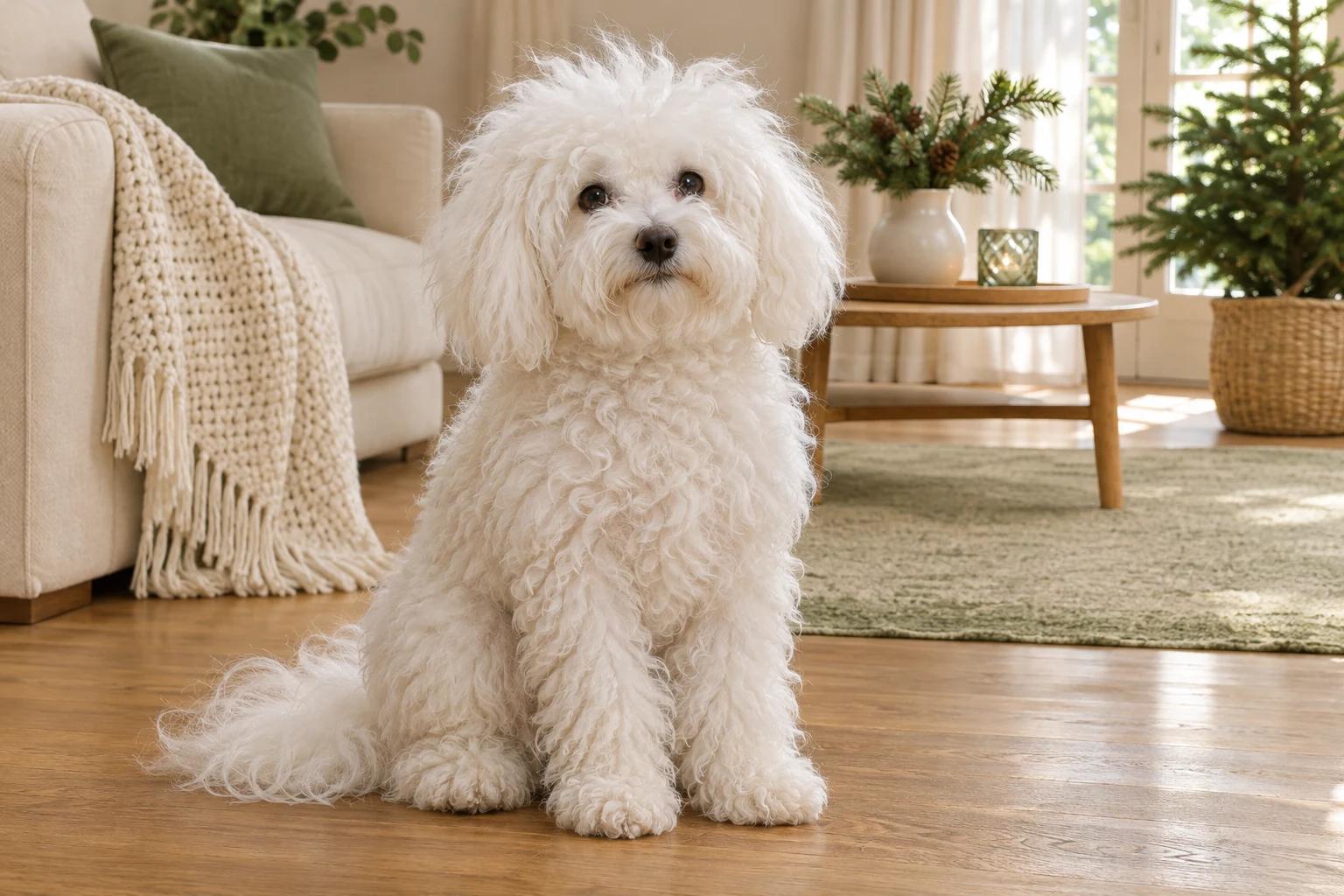
Bolognese vs Bichon Frise is an easy comparison to begin with photographs and a better one to finish with routines. Both can appeal to someone seeking a small companion, but size, coat care, company, and the individual dog's experience deserve more attention than a similar white outline.
Use the Bolognese profile and Bichon Frise profile as starting points. The useful question is not which breed wins overall, but which dog's needs you can support comfortably through an ordinary week.
Bolognese vs Bichon Frise: companionship comes first
The AKC Bolognese overview describes a calm, people-oriented companion. The FCI Bichon Frise standard also places companionship and sociability at the center of its description. Neither description can predict exactly how an individual will respond to your household.
Ask how each dog spends time with familiar people. Does it rest nearby while they work, invite frequent play, or enjoy a particular evening routine? Concrete examples make companion-oriented language useful rather than merely attractive.
Do not rank affection from willingness to be picked up or held. A dog can enjoy your company while preferring to rest on its own bed. Learn how the individual chooses contact and make room for that preference.
Similar height does not mean the same weight
The site lists the Bolognese at 10–12 inches and 6–9 pounds. The Bichon Frise is listed at 9.5–11.5 inches and 12–18 pounds. Their reference heights overlap, while the Bichon weight range is higher.
That distinction can matter for carrying, equipment, and household handling. It also shows why judging body size from head height or a fluffy photograph can be misleading. Ask about the particular dog's measurements before selecting fitted items.
Plan at floor level
Both dogs need clear routes through the home and a resting area away from moving chairs and busy feet. A small bed may fit many corners, but the best location is one the dog can use without repeated disturbance.
If children are present, adults should supervise interaction and explain appropriate handling. Neither breed's size or sociable reputation guarantees child safety. Teach people to invite contact rather than treating a small dog as something that can always be carried into an interaction.
Company and time apart need different questions
The Bolognese's newer site notes make people central to the day and explicitly describe long stretches alone as a poor fit. The Bichon notes also describe a tendency to stay close. That does not establish a reliable ranking of which individual will tolerate your absence better.
Ask about experience rather than assumptions. What happens during a familiar short absence? What support is used on a longer workday? Has the dog spent time with another caregiver? These questions reveal the current arrangement you may need to continue or adapt.
For a Bolognese or Bichon Frise decision, count your actual time away, including travel and errands. Do not assume that working from home a few days each week answers what happens on the remaining days. Make the plan fit the whole schedule.
Activity should suit a real day
Compare the activities that the individual dogs already enjoy and the routine your household can maintain. Breed labels do not establish a fixed exercise quota or prove that one individual always needs more than the other.
Both still need opportunities to explore and learn. A small body does not make outdoor experience unnecessary, and a garden alone does not explain how the dog will spend its time. Ask about the current pace, routes, and rest pattern.
Choose a routine you can repeat. If a favorite park requires a long drive, have a local alternative for busy days. For puppies, older dogs, or dogs with relevant health circumstances, ask a veterinarian what activity is appropriate rather than relying on a breed comparison.
Coat care may be the clearest time commitment
The site's newer Bolognese notes call for regular brushing of the long coat and mention a shorter clip as an option rather than a requirement. The Bichon notes describe brushing most days. Both need a deliberate care plan rather than occasional attention when the outside looks untidy.
Ask a groomer to explain the work for the coat and presentation you intend to maintain. Find out what happens at home between appointments and which tasks the dog already understands. A professional trim does not replace every aspect of regular care.
For the Bolognese's particular texture, the existing article on flocks and combing covers the detail. Keep that subject separate from a promise that one breed's coat will be easier for every owner.
Compare the setup, not only the schedule
Can you sit comfortably beside the dog? Is there good light? Are tools stored where you will use them? A modest, convenient arrangement often works better than equipment kept in a cupboard far from the care area.
Consider professional access too. Ask about appointment arrangements and experience with the individual coat. Make room in the budget and calendar before deciding that a small dog must necessarily involve a small care commitment.
Training matters for both small companions
Both site profiles describe relatively responsive learners. The newer Bolognese notes include mental work, and the Bichon notes suggest daily training games. You can meet that interest through useful household skills without making life a constant series of formal lessons.
Teach a resting-place cue, comfortable participation in care, and manageable doorway routines. Being able to pick up a dog does not replace communication. The practical goal is a companion that understands what you are asking in familiar situations.
When discussing a Bichon Frise vs Bolognese shortlist, ask which skills are established and which need work. An adult's existing experience may matter more for your immediate household than a general claim about which breed learns faster.
Ask about voice and social life
The newer Bolognese notes describe an alert bark that often settles after a response; the Bichon notes describe some barking through the day. Neither means a particular dog will be silent. Discuss the triggers that matter in your housing, especially visitors and shared corridors.
The difference between Bolognese and Bichon Frise ownership is best understood through those concrete details. Use the breed quiz to identify priorities, then meet individuals and compare the same questions. Appearance can help you form a shortlist, but daily fit should make the final choice.
FAQ
Which breed is heavier in the site's reference?
The Bichon Frise is listed at 12–18 pounds, compared with 6–9 pounds for the Bolognese. Their listed height ranges overlap. Individual measurements still matter when choosing equipment or considering handling.
Is either breed a no-grooming choice?
No. Both need a regular coat-care plan. The newer site notes describe regular Bolognese brushing and brushing most days for the Bichon. Ask a groomer about the individual coat and intended presentation.
Which handles time alone better?
Do not assume a reliable ranking from breed alone. The Bolognese profile specifically warns against long stretches alone, and both profiles emphasize company. Ask about the individual's established experience and arrange appropriate support.
Are they interchangeable because they look similar?
No. They are separate breeds with different reference sizes and care descriptions, and individuals vary further. Compare actual routines, companionship, handling, and coat care rather than choosing solely from photographs.
Sources behind this article
Article source checked: November 14, 2026. Source checked 2026-11-14
Keep reading

Affenpinscher vs Brussels Griffon: Everyday Differences
Read article →