Bolognese Temperament: A Companion-Centered Life
Explore Bolognese temperament through companionship, activity, visitors, alert barking, and the practical routine of an individual dog.
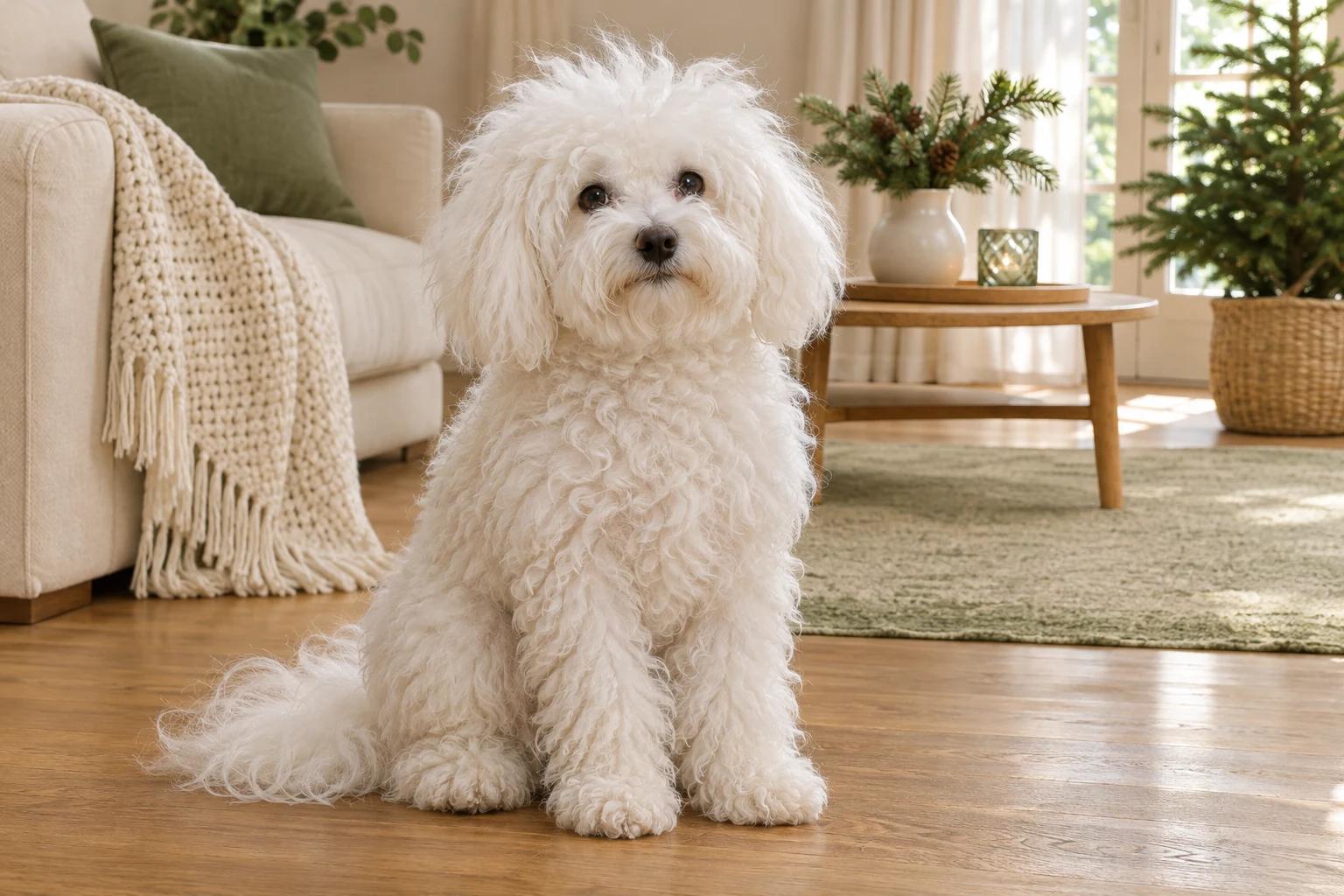
Bolognese temperament is often described through companionship, and that is the most useful place to start. Before imagining a small white dog beside you on the sofa, consider how much company your normal day offers and what happens when you need to be elsewhere.
The Bolognese profile makes people central to the daily picture and notes that long stretches alone are a poor fit. Its small size can simplify some arrangements, but it does not reduce companionship to an optional extra you provide only when convenient.
Bolognese temperament: calm does not mean absent needs
The AKC breed overview describes a calm, playful companion with an interest in people. The FCI standard also presents a serene temperament. These descriptions are useful tendencies, not guarantees about a particular dog in every setting.
A calm companion still needs opportunities to explore, learn, and interact. Build a regular routine around walks, sniffing, play, and rest, adapting it to the individual dog. Think about a day with a comfortable rhythm, not a dog that simply fits into unused space.
Ask how the individual behaves at several moments: when someone returns, when a visitor enters, and when the household settles. A lively greeting and a quiet evening can both belong to the same dog's ordinary personality.
Ask what creates the calm you see
When meeting an adult, find out what happened earlier in the day. Was there an outing? Is this the dog's usual resting time? Are familiar people nearby? Those details help you understand the setting behind the behavior.
You are not trying to discount a pleasant meeting. You are learning which parts of the routine you would need to preserve. A peaceful scene is more informative when someone can explain how daily life supports it.
Bolognese personality and closeness
Bolognese personality may appeal strongly if you want a dog involved in home life. Consider where it can rest comfortably while you work or relax. A place near you is useful when it is also away from moving chairs, busy feet, and repeatedly opening doors.
Closeness can take different forms. One dog may enjoy sitting against a familiar person; another may prefer a nearby bed. Let the individual show its preferences instead of measuring affection by how much handling it accepts.
Make shared time predictable without making every moment exciting. A walk followed by rest beside your desk can be a useful pattern. Constantly restarting games whenever the dog becomes quiet can make it harder to establish the calm companionship you hoped for.
Time apart deserves planning before arrival
The site's warning about long absences should prompt a concrete discussion of your schedule. Count commuting and errands as well as work hours. A day described as mostly at home can still contain a long period when nobody is available.
Ask the current caregiver about the dog's experience with being apart from people. What arrangements are familiar? What has gone smoothly, and what has been difficult? Avoid assuming that another animal or a collection of toys automatically replaces human company.
If the individual struggles, seek qualified help rather than simply extending absences and hoping it adapts. A veterinarian and an appropriately qualified behavior professional can help assess the situation. The goal is a plan for the actual dog, not a test of whether it matches a breed description.
Consider future schedule changes
A flexible period during the first weeks may not represent your long-term routine. Think about office days, travel, and seasonal commitments before deciding. Arrange realistic support rather than counting on availability that may disappear.
Tell potential caregivers about the dog's normal day. A small dog can be physically easy to transport while still needing a thoughtful transition into another setting. Familiar cues and routines may help the caregiver understand what the dog expects.
Bolognese characteristics include an alert voice
The newer site notes describe alert barking that often settles once someone responds. That is not a promise of silence or a guarantee that acknowledging a sound will solve every instance. Ask what the individual notices and how its household currently responds.
Look at the home layout. A resting spot facing a busy corridor may expose the dog to repeated arrivals and movement. A quieter position can be worth considering if the existing arrangement continually interrupts rest.
For shared-wall housing, discuss noise honestly before choosing the breed. Small size does not make sound irrelevant to neighbors. Practical information about deliveries, visitors, and time alone is more valuable than a general assurance that the breed is quiet.
Let sociability remain a choice
The site's reference suggests a sociable tendency, but an individual need not greet every stranger. Give new people a simple plan: allow approach, avoid crowding, and respect retreat. An easy-going reputation should not become pressure to tolerate unwanted handling.
Supervise interactions with children and teach them to invite contact without chasing or picking up the dog. A small body can be moved easily by people, which makes respecting choice particularly important. A quiet resting area should remain available.
With other animals, ask about actual history and manage introductions individually. A dog comfortable with one familiar companion has not automatically demonstrated comfort with every size, play style, or level of excitement.
Everyday care is part of the relationship
Bolognese behavior during care is worth asking about before arrival. Does the dog know the grooming setup? Which handling tasks are familiar? A pleasant companion still needs practice with ordinary routines rather than being expected to cooperate without preparation.
The coat's appearance can draw attention, but care should be comfortable and sustainable. Read why Bolognese flocks still need combing for that separate practical topic. It is better to understand the work than to choose from photographs alone.
Use the breed quiz to put companionship, activity, and care beside your other priorities. If a people-centered routine fits your life, investigate further through individual meetings and candid conversations about ordinary days.
FAQ
Is every Bolognese calm all the time?
No. Calmness is a breed tendency, not a prediction for every moment. Greetings, play, unfamiliar surroundings, and age can change what you see. Ask about the individual's ordinary routine across several situations.
Does small size make long workday absences easy?
No. The site's newer notes describe long stretches alone as a poor fit and emphasize company. Discuss the individual dog's experience and arrange support that matches your real schedule before bringing it home.
Do Bolognese dogs bark?
Yes. The newer profile describes an alert style of barking, although individual patterns vary. Ask what triggers the dog and consider your housing layout rather than assuming a quiet breed label means silence.
How should visitors meet a Bolognese?
Let the dog choose whether to approach and provide space to retreat. Ask visitors not to crowd or pick it up without appropriate guidance. A friendly reputation does not remove the need for respectful introductions.
Sources behind this article
Article source checked: November 14, 2026. Source checked 2026-11-14
Keep reading

Airedale Terrier Temperament: What Everyday Life Can Feel Like
Read article →