Bohemian Shepherd vs German Shepherd: Practical Fit
Compare Bohemian and German Shepherds through size, activity, training, coat care, companionship, and the realities of your household routine.
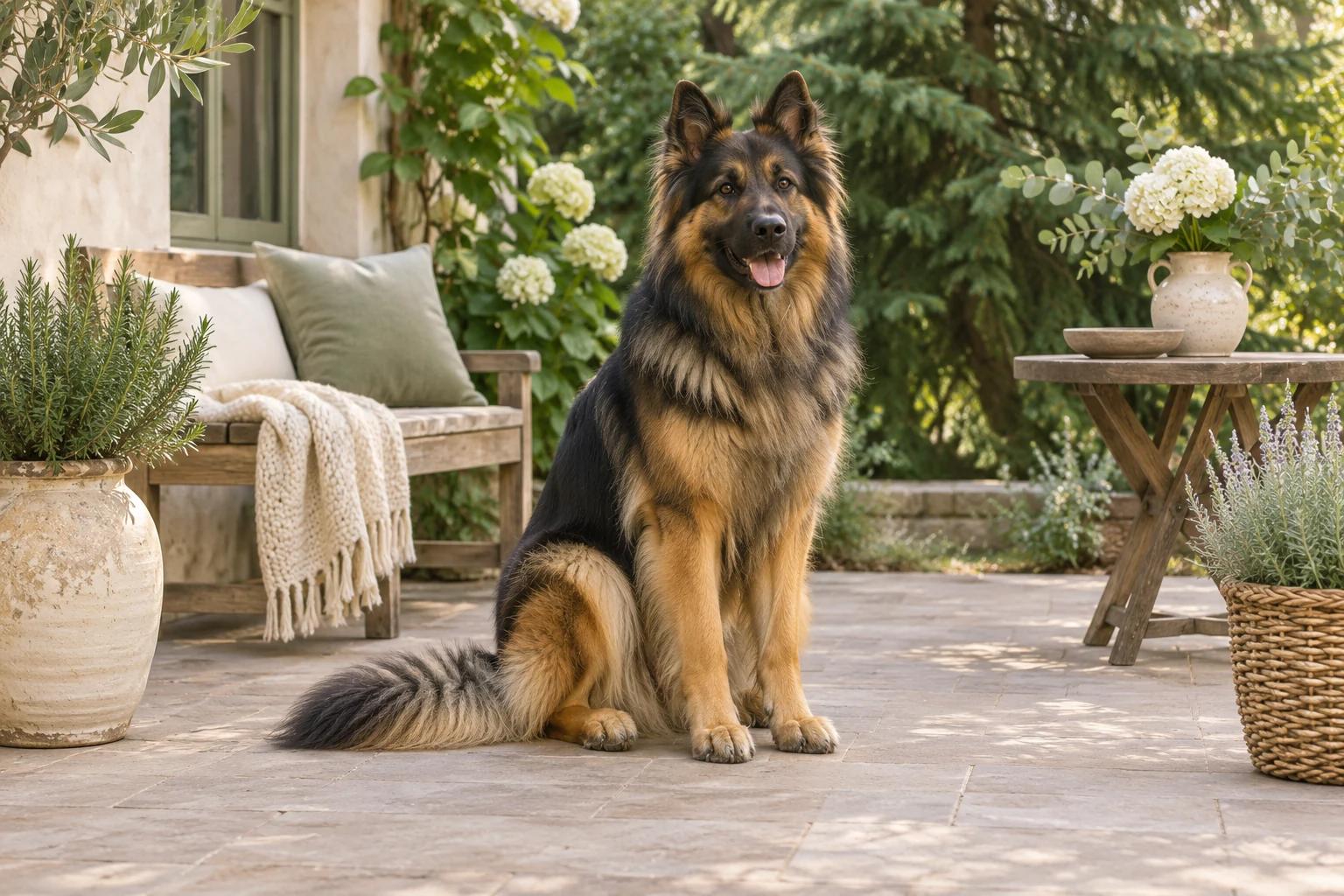
Bohemian Shepherd vs German Shepherd is a useful comparison if you enjoy active companionship and ongoing learning with a dog. The breeds share some broad interests, but the smaller outline of the Bohemian Shepherd does not make it a miniature version of the German Shepherd or remove the need for a thoughtful routine.
Read the Bohemian Shepherd profile alongside the German Shepherd Dog profile. Start with the practical differences, then look closely at individuals rather than assuming a breed label settles every question about your future companion.
Bohemian Shepherd vs German Shepherd: shared interests
The AKC Bohemian Shepherd overview emphasizes lively athleticism and versatility. Its German Shepherd overview describes an intelligent, agile working dog. Those descriptions point toward owners who want participation rather than a dog expected to occupy itself entirely.
For both breeds, imagine the least convenient part of the week. Who provides activity when a meeting runs late? Where does learning fit when the weather changes? What does the dog do while everyone is occupied? Answers to those questions matter more than which description sounds more impressive.
Ask owners about ordinary routines, not only achievements. A photograph from an event can show what a dog enjoys, but it does not show the travel, practice, and quiet household arrangements that support it.
The height difference affects practical fit
The site's Bohemian Shepherd reference lists males at 20.5–21.7 inches and females at 19.3–20.5 inches. The German Shepherd reference lists males at 24–26 inches and females at 22–24 inches. Those ranges put the German Shepherd noticeably taller in the reference picture.
Use that distinction when thinking about space and equipment, but measure an individual dog before buying fitted items. Shoulder height does not tell you its full resting footprint or whether a travel enclosure fits comfortably.
Size does not replace manners
Either dog benefits from learning to wait at doors, move aside, and walk with a caregiver. A smaller body can be more convenient in some settings without making lead pulling or chaotic greetings irrelevant.
If handling is a major concern, meet adults and discuss your circumstances with a trainer or experienced caregiver. Avoid choosing a puppy from a size comparison alone and assuming all practical difficulties will therefore be solved.
Compare activity without turning it into arithmetic
The newer Bohemian Shepherd notes describe about an hour of active time, while the German Shepherd notes describe a day needing more than a couple of hours of activity. These are broad site planning descriptions, not universal exercise prescriptions or a precise ratio between dogs.
They do suggest that activity time deserves close attention in your shortlist. Ask what the individual currently does, how that activity is divided, and how it settles afterward. Walking, learning, play, and travel do not all place the same demands on the dog or owner.
For puppies, older dogs, or dogs with health-related restrictions, seek veterinary guidance. Do not use a breed-level activity description to override the needs of the individual in front of you.
Test the timetable before the decision
Write down a realistic weekday using the actual times you are available. Include getting ready and cleaning up, not just time outdoors. If the schedule works only by assuming nothing unexpected happens, it needs a backup plan.
A nearby route and a repeatable learning routine may be more useful than an ambitious list of occasional adventures. Ask yourself whether the pattern would still work during a busy month, not merely during the first enthusiastic week.
Learning is a shared commitment
Both site profiles make purposeful mental engagement relevant. The Bohemian Shepherd notes suggest games, puzzles, or a sport; the German Shepherd notes emphasize obedience work and willingness to learn. Neither turns training into a one-time task completed during puppyhood.
Choose a few skills that improve household life. Resting on a mat, coming toward a caregiver, and participating calmly in care can be useful alongside recreational activities. Reward-based teaching gives you a practical way to build communication.
When considering Bohemian Shepherd or German Shepherd ownership, ask which kind of learning you genuinely enjoy. You do not have to enter competitions, but regular engagement should feel like part of the relationship rather than an unwanted extra job.
Coat care and loose hair belong in the comparison
Ask about the brushing, loose hair, and cleanup involved with each individual coat. Neither profile supports expecting a hair-free home, and a finished photograph does not reveal the work between grooming sessions. Have the routine demonstrated before deciding how it fits your schedule.
Compare the care setup as well as the schedule. Where will the dog stand or rest while you work? Can you reach the coat comfortably? Where will brushes and washable covers live? These details influence whether the routine is maintained.
Ask an owner or groomer to demonstrate technique on the individual dog. A general frequency does not show you how to work through the coat or recognize when professional help is needed. Short, comfortable practice with handling can make ordinary care more workable.
Company and alertness need individual examples
Ask how each dog shares time with people: when it seeks contact, where it rests, and what happens when a familiar person leaves. Dogs express companionship in different ways, so compare individual examples rather than assigning a contact style from the breed name.
Discuss vocal behavior separately for each dog rather than assuming a shared daily pattern. Ask what brings it out and how the household manages arrivals or outside activity. A breed's watchfulness does not guarantee sensible decisions about every visitor.
Supervise interactions with children and assess compatibility with other pets individually. Neither a familiar breed reputation nor a friendly first meeting replaces a plan for rest, introductions, and adult responsibility.
Choose the dog behind the description
The difference between Bohemian Shepherd and German Shepherd ownership can be clarified by asking both caregivers the same questions. Request examples involving activity, rest, handling, visitors, and time apart. Compare what is known rather than trying to predict everything from averages.
Our breed quiz can help organize a German Shepherd vs Bohemian Shepherd shortlist. For a separate historical topic, read Bohemian Shepherd pictures and pedigrees. Everyday fit deserves its own evidence alongside that story.
FAQ
Is the Bohemian Shepherd simply a small German Shepherd?
No. They are separate breeds. The site's height ranges show the Bohemian Shepherd as smaller, but size alone does not define its temperament, learning needs, or individual routine.
Which has the larger activity commitment in the site notes?
The newer German Shepherd description indicates a greater activity-time commitment. These are broad reference descriptions, not fixed prescriptions. Ask about the particular dog's established routine and appropriate activity for its circumstances.
Does either breed avoid significant coat cleanup?
Neither should be selected on that assumption. Ask for a practical account of brushing, loose hair, and household cleanup from someone who knows the dog. Compare the actual work rather than relying on a claimed difference in schedules.
How can I make the comparison more reliable?
Ask the same concrete questions about each individual and observe more than one situation where possible. Put your available time, space, handling needs, and companionship preferences ahead of broad claims about which breed is better.
Sources behind this article
Article source checked: November 14, 2026. Source checked 2026-11-14
Keep reading

Affenpinscher vs Brussels Griffon: Everyday Differences
Read article →