Bohemian Shepherd Temperament: An Involved Companion
Explore Bohemian Shepherd temperament, including activity, learning, companionship, alertness, and how to assess a particular dog.
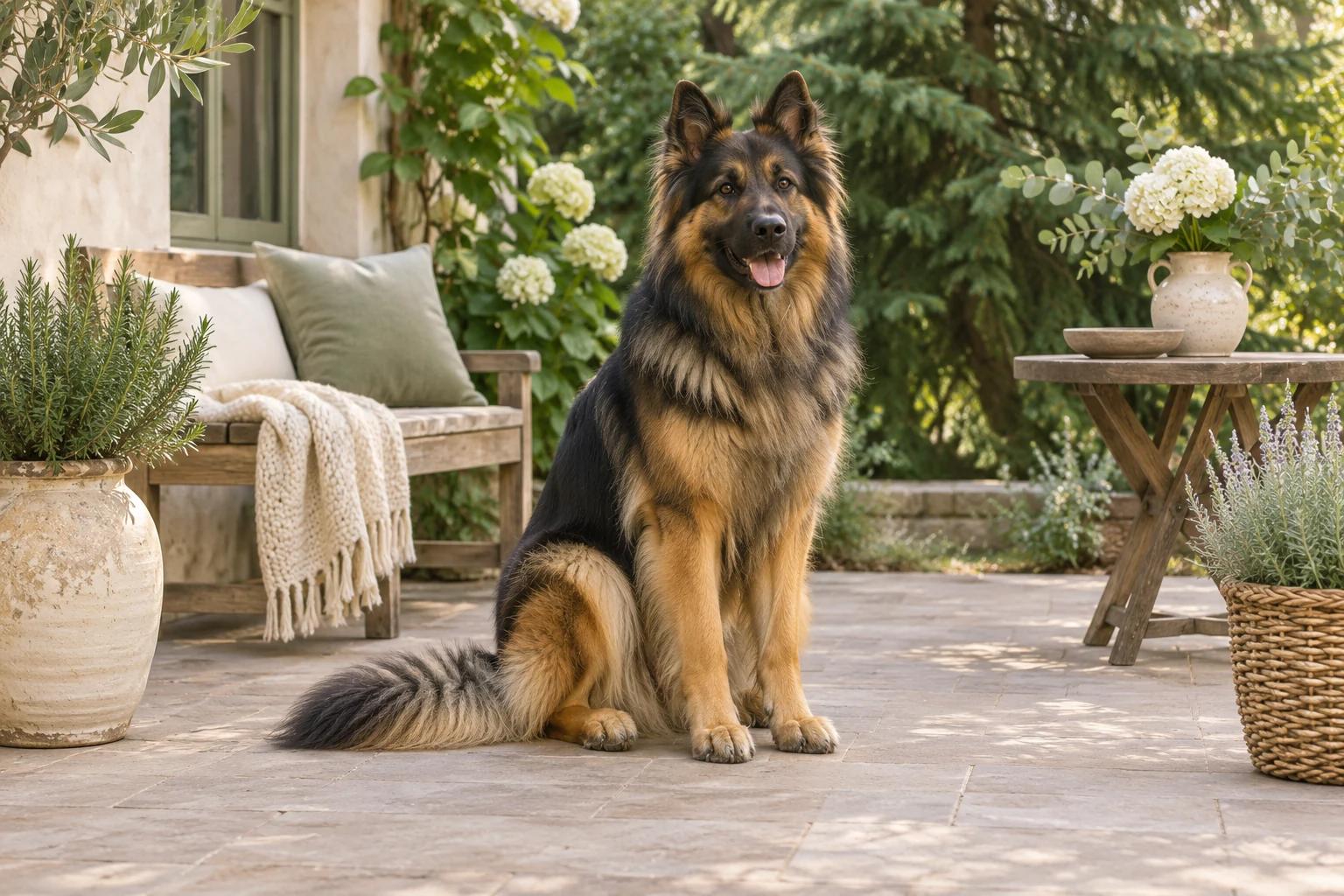
Bohemian Shepherd temperament suits a discussion about participation. This is a breed to consider when you enjoy doing things with a dog, teaching useful skills, and making room for shared activity. Its appealing outline should not distract from the time and attention that everyday companionship involves.
The Bohemian Shepherd profile describes an interested learner, purposeful mental work, and a tendency to stay close. Those are starting points for research, not promises about an individual. Ask how the dog actually lives before deciding how it would fit your household.
Bohemian Shepherd temperament: lively, not automatically easy
The AKC overview emphasizes athleticism and versatility. The FCI standard describes an attentive, lively dog with readiness to learn. Neither description means that a young dog arrives with an organized daily routine or an understanding of your expectations.
A willingness to engage can be enjoyable when you have a clear activity to share. It can also mean you need to think about what happens when the activity ends. Look for a balance between invitations to participate and opportunities to rest.
Ask a caregiver what the dog does when someone sits down to work. Does it settle nearby, bring a toy, or need a familiar transition? The answer reveals more about your potential afternoon than the general statement that the breed is devoted.
Chodsky Pes temperament refers to the same breed
If you encounter the phrase Chodsky Pes temperament while researching, you are reading about the Bohemian Shepherd under its Czech name. Compare the substance of the description rather than assuming a different name indicates a different kind of companion.
Keep everyday behavior separate from historical storytelling. Our article on Bohemian Shepherd pictures and pedigrees covers that background. An interesting origin story does not tell you how an individual will handle your visitors or work schedule.
Bohemian Shepherd personality in a working household
Bohemian Shepherd personality may appeal to someone who wants a dog involved in ordinary life. The site's newer notes say many like to stay close. Think about where that closeness fits when you cook, take calls, or move between rooms.
A resting place near the main activity can be useful if it is not in the path of chairs and doors. Give the dog a clear option for being present without being underfoot. Teach the routine during quiet periods instead of waiting until you need uninterrupted concentration.
Consider changes in availability too. A week spent at home during a puppy's arrival can look very different from the normal workweek. Ask about existing experience with time apart and plan support for the schedule you will actually maintain.
Activity is part of the temperament picture
The site's newer daily-life notes describe about an hour of active time and purposeful learning. Read that as a broad planning description rather than a fixed quota for all ages. The individual dog's established routine and veterinary guidance still matter.
An owner who enjoys walking may find the shared outing appealing, but include the rest of the day in the decision. Getting ready, cleanup, brief practice, and settling all take attention. A route that works on weekends may not be accessible during a busy weekday.
Choose repeatable activities before collecting ambitious plans. A local walk and a small learning project may fit better than a distant class that requires rearranging work every week. The useful measure is whether the dog receives consistent involvement, not whether the schedule sounds impressive.
Watch recovery from excitement
During a visit, ask to see what happens after play. A dog may need a familiar cue, a quiet spot, or simply a little time. Observing that transition helps you understand how its current household supports rest.
Do not demand calm immediately after creating a highly exciting situation and then judge the entire temperament from the result. Ask what is typical and what was unusual about the meeting. Context prevents a single lively moment from becoming a misleading label.
Alertness needs a practical outlet
Bohemian Shepherd characteristics include watchfulness in the site's reference. Its newer voice notes describe some barking during the day. If you live near a busy walkway, consider what the dog will repeatedly see and hear from its favorite resting spot.
Ask about individual triggers: unfamiliar arrivals, garden activity, or sounds outside. These situations are not interchangeable. A plan for deliveries may involve a resting-place routine, while a window facing constant traffic may call for a different room arrangement.
Avoid expecting the dog to decide which visitors deserve a greeting. Adults can handle arrivals and provide space when interaction is not appropriate. Being alert does not make a dog a reliable judge of every unfamiliar person or situation.
Learning should feel like communication
A responsive dog still needs understandable lessons. Choose useful household skills, reward progress, and practice before distractions become overwhelming. The aim is to give the dog something clear to do rather than repeatedly interrupting behavior without offering an alternative.
Notice how you communicate when you are busy. Several family members calling different cues can make an ordinary task confusing. Agree on a small shared vocabulary and explain to occasional caregivers what the dog already knows.
For persistent challenges, seek a qualified reward-based trainer who can observe your actual routine. Bring specific examples rather than only saying that the dog is energetic. A practical description makes it easier to identify a useful next step.
Assess social life individually
The site's social tendencies are encouraging starting points, but Bohemian Shepherd behavior around children, visitors, and other animals requires individual assessment. Ask about familiar companions separately from new introductions, and provide room to withdraw.
Supervise contact with children and keep the resting area free from disturbance. A dog that enjoys family participation still needs periods when nobody is inviting it to play. Teach people to recognize and respect that choice.
Use the breed quiz to identify your priorities before meeting dogs. If you enjoy regular shared activity and can support the rest of the routine, the breed may belong on your shortlist. The final decision should follow the individual, not just the adjectives.
FAQ
Is the Bohemian Shepherd the same as the Chodsky Pes?
Yes. Chodsky Pes is another name used for the Bohemian Shepherd. Research under both names can be useful, but assess the same individual needs rather than treating the names as separate temperament categories.
Does trainability mean little work for the owner?
No. A responsive learner still needs clear teaching, practice, and a routine that includes mental engagement. Trainability describes potential for interaction, not a dog that arrives understanding household rules.
Are Bohemian Shepherds silent at home?
Silence should not be assumed. The site's newer notes describe some barking through the day. Ask about the individual dog's triggers and consider the layout and noise sensitivity of your home.
What should I observe when meeting an adult?
Look at ordinary company, activity, and the transition back to rest. Ask which parts of the meeting are typical and how the caregiver supports the routine. More than one situation gives a fuller picture than a single greeting.
Sources behind this article
Article source checked: November 14, 2026. Source checked 2026-11-14
Keep reading

Airedale Terrier Temperament: What Everyday Life Can Feel Like
Read article →