Blue Picardy Spaniel Size: Planning for an Adult Dog
Understand Blue Picardy Spaniel size and use the site’s adult ranges to plan space, transport, equipment, and everyday handling.
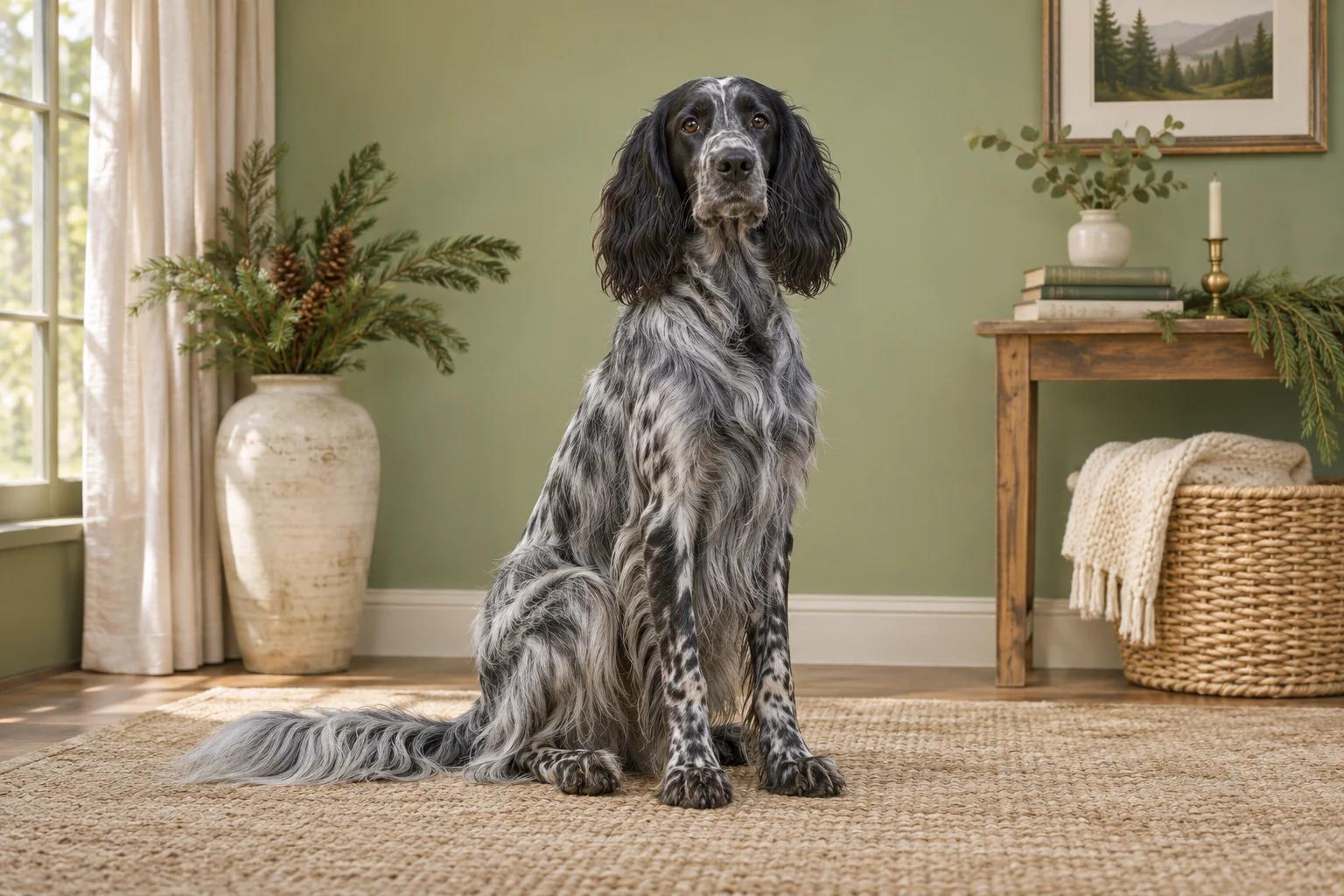
Blue Picardy Spaniel size matters most when you translate measurements into daily life. A number on a breed page can help you shortlist dogs, but it does not tell you whether a bed fits your room, whether a travel setup fits your car, or how easily a caregiver can manage the individual dog.
The Blue Picardy Spaniel profile lists adult males at 22–24 inches and 50–55 pounds, and females at 21–23 inches and 45–50 pounds. Treat those as reference ranges, not a promise about a puppy's eventual measurements.
Blue Picardy Spaniel size: what the measurements mean
Blue Picardy Spaniel height is measured at the withers, the area over the shoulders, rather than the top of the head. That distinction matters when looking at a doorway, travel enclosure, or photograph. A dog's head can extend well above its recorded shoulder height.
The FCI standard describes a body slightly longer than its height. This is useful context for thinking about floor space: a shoulder measurement alone does not describe the area a resting dog occupies.
The Canadian Kennel Club overview also describes feathering on several parts of the body. Coat can change the outline you see in a photograph, so avoid estimating equipment size from appearance alone.
Reference ranges are not equipment instructions
A product labeled medium or large may use different measurements from another manufacturer's label. Check the specific sizing instructions instead of choosing by the breed name printed on a shopping page. This is especially important when the item needs to fit around the body.
Measure the actual dog where the product instructions require it. If you are preparing for a puppy, ask which items can be adjusted and which are better bought later. Buying everything for an imagined adult can leave you with equipment that does not suit the dog you bring home.
Blue Picardy Spaniel weight is not a target to chase
Blue Picardy Spaniel weight in the site's reference spans 45–55 pounds across the female and male ranges. That gives you an approximate planning scale for transport and handling. It is not a recommended weight for every individual of the breed.
Do not change feeding simply to place a dog in the middle of that range. Ask a veterinarian to assess body condition and the dog's circumstances. Breed tables cannot account for all the differences between individuals or tell you why a particular measurement has changed.
For practical records, keep the date and context with each measurement. A weight noted at a veterinary appointment is more useful later if you know when it was taken. Avoid comparing scattered numbers from different dogs as though they form a growth chart for yours.
Make room for resting, not just standing
Before choosing a bed, look at how the dog likes to sleep. A curled position takes less space than stretching out on its side. The useful resting area should accommodate the dog comfortably rather than merely fitting its feet when standing.
Consider the surrounding space too. A bed squeezed between a door and a chair may technically fit but be repeatedly disturbed. Put a paper outline or temporary marker on the floor to see whether people can move through the room without stepping over the sleeping area.
If the dog is allowed on furniture, decide how that works before it arrives. The question is not only whether an adult can fit on a sofa; it is whether the household agrees about access, cleaning, and moving when asked. Consistent expectations prevent size from becoming the explanation for a rules problem.
Plan transport around the individual and the vehicle
Check the vehicle's usable space rather than relying on its general category. Door openings, wheel arches, folded seats, and access to fastening points can affect a travel arrangement. Follow the instructions for the restraint or enclosure you choose.
A travel enclosure must suit the dog's actual dimensions and intended use. A product weight rating alone does not tell you whether the dog can occupy it comfortably. Ask the manufacturer or a knowledgeable professional for help when the fit is unclear.
Practice the travel routine before a long journey. Let the dog become familiar with the setup in manageable stages, and think about where leads and towels will go. A carefully chosen enclosure is less useful if opening the car requires juggling loose supplies around the dog.
Discuss assistance before it is needed
An adult in the site's weight range may not be easy for every household member to lift. Do not assume that one person can carry the dog simply because it is smaller than a giant breed. Discuss handling support with your veterinarian when mobility or recovery creates a need.
For ordinary trips, consider the access route from home to vehicle. Narrow stairs, awkward parking, and a slippery entrance can matter as much as the car interior. Planning around those details gives you a clearer picture than the weight figure alone.
Size and everyday manners belong together
A Blue Picardy does not have to be enormous to make doorway rushing or lead pulling inconvenient. Teach the behaviors that make shared space easier while the dog is learning the household routine. Waiting briefly, moving aside, and walking with you all have practical value.
Choose a reward-based approach and practice where the task is simple. For example, invite the dog to a resting spot before carrying laundry through a narrow passage. Reward that choice rather than expecting it to understand that your full hands mean it should move.
If several people will walk the dog, discuss equipment and cues together. A caregiver should know how the dog normally responds and what situations to avoid. Physical size is only one part of handling; familiarity and a predictable routine matter too.
Ask better questions about a puppy's future size
How big do Blue Picardy Spaniels get? The adult reference offers a useful range, but questions about a particular puppy belong with people who know its family. Ask about the parents and adult relatives without expecting an exact forecast.
Ask what information is observed and what is estimated. A breeder may know an adult parent's recorded measurements while offering only a broad expectation for a youngster. Keeping those categories separate helps you plan without treating an estimate as a commitment.
Our breed quiz can help put size beside other ownership priorities. If the breed's name has left you curious about its classification, read why the Blue Picardy belongs among pointing dogs. Physical dimensions are only one part of understanding this dog.
FAQ
How tall is an adult Blue Picardy Spaniel?
My Breed Atlas lists males at 22–24 inches and females at 21–23 inches at the shoulder. These are reference ranges rather than exact predictions for every adult or puppy.
What adult weight does My Breed Atlas list?
The profile lists males at 50–55 pounds and females at 45–50 pounds. Use those figures for broad ownership planning, not as an instruction to increase or reduce an individual dog's weight.
Can I choose a harness from the breed's average weight?
Use the manufacturer's required measurements and the actual dog rather than average weight alone. Sizing labels vary between products, and body proportions affect fit. Ask for assistance if you cannot determine the fit confidently.
Does a male always grow larger than a female?
No individual outcome is guaranteed by the reference ranges. The site's male range is generally higher, but the dogs themselves need to be assessed. Family information can inform expectations without predicting an exact adult size.
Sources behind this article
Article source checked: November 14, 2026. Source checked 2026-11-14
Keep reading
Blue Picardy Spaniel Temperament: Living Together
Read article →