Black and Tan Coonhound vs Bluetick Coonhound: Daily Fit
Compare Black and Tan Coonhound vs Bluetick Coonhound size, activity, coat care, and voice before choosing an individual dog.
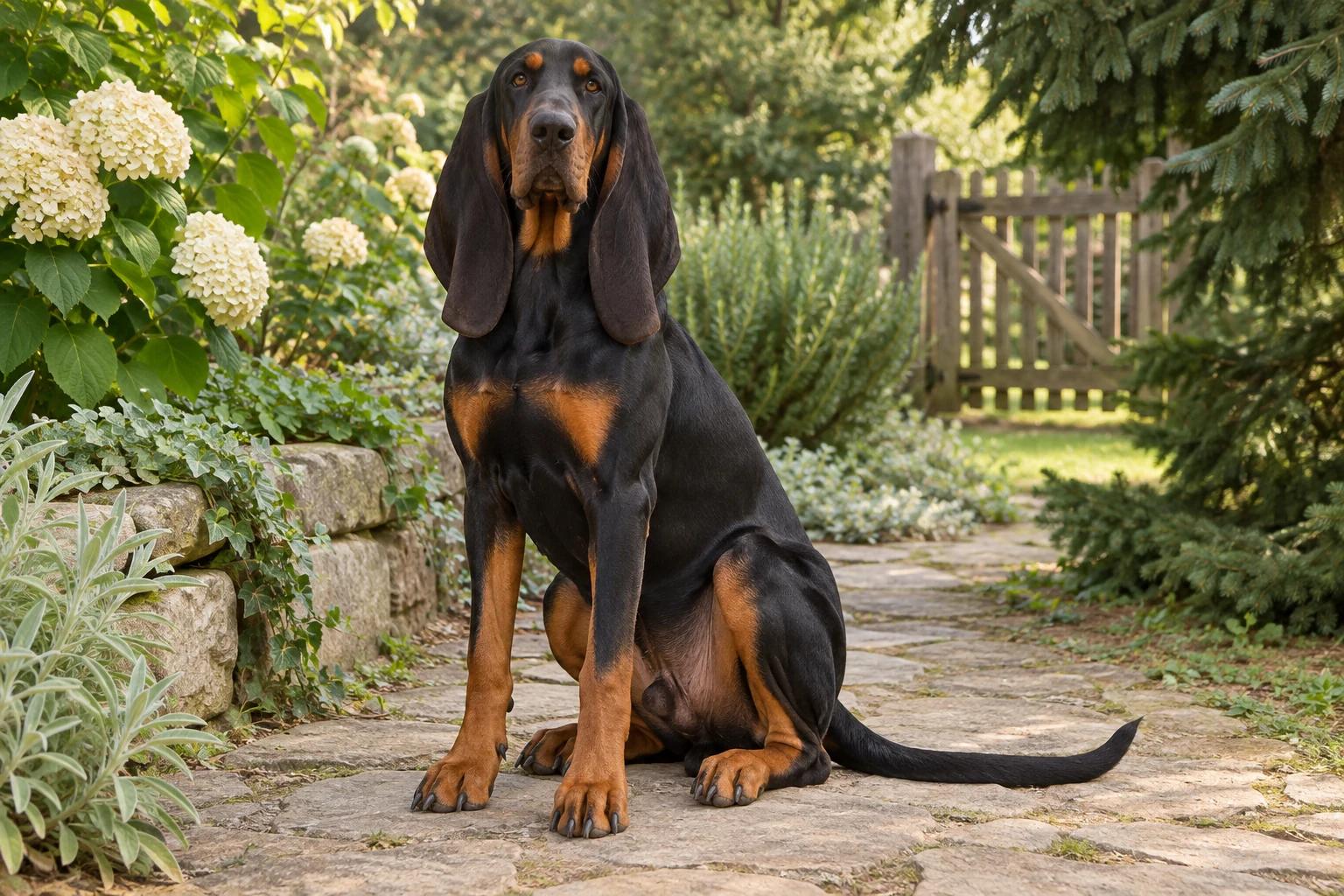
Explore the
Black and Tan Coonhound
Background, care, and everyday considerations.
View breed profile →A Black and Tan Coonhound vs Bluetick Coonhound comparison should look beyond coat color. Both are substantial hounds whose daily lives need room for outings, learning, and scent-led interests. The differences become more useful when you connect them to transport, handling, household sound, and the care you can provide.
Neither is the automatic answer for every hound enthusiast. Start with your actual routine, compare the practical details, and then learn about the individual dogs available to you.
Black and Tan Coonhound vs Bluetick Coonhound: size first
The Black and Tan Coonhound profile lists an adult weight range of 55–75 pounds, with males standing 25–27 inches and females 23–25 inches. The Bluetick Coonhound profile lists males at 55–80 pounds and females at 45–65 pounds, with corresponding heights of 22–27 and 21–25 inches.
These ranges overlap, and the Bluetick's listed upper weight is 80 pounds compared with 75 pounds for the Black and Tan. That can affect how you plan travel, equipment, and handling. It does not tell you the exact size of a puppy or establish that every dog of one breed outweighs every dog of the other.
Both profiles describe short, smooth coats. The obvious difference in color and pattern is easy to see; the practical difference in body size may matter more when arranging everyday life.
Compare the actual space available
Measure your transport setup and the places where the dog will rest. Check the measurements required by an equipment manufacturer rather than buying from a photograph or a generic large-dog label.
If several people will handle the dog, consider whether each can manage the routine comfortably. A plan that works for one adult may need adjustment for another caregiver. Discuss equipment and training support before the dog's strength becomes an unexpected practical problem.
Both need more than an attractive resting place
Ask what an ordinary activity day involves for each individual rather than assuming the two profiles describe identical needs. Neither should be selected on the assumption that a relaxed appearance means a minimal activity commitment.
The AKC Black and Tan introduction contrasts an easygoing companion side with determination at work. Its Bluetick overview likewise describes a dog with strong pursuit interests. These summaries provide context for your planning without predicting every individual's behavior.
Compare your weekday options for each breed. Where will you walk? How will you provide interesting activity? What happens when work runs late? If the answers are vague for one dog, they are unlikely to become clear merely by choosing the other.
Examine access, not just acreage
A large outdoor area is useful only if the arrangement suits the dog and the activity. Think about boundaries, gates, other users, and your ability to supervise. A smaller but well-planned outing may be more practical than access to a space you cannot manage reliably.
Ask about the particular dog's existing routine. Concrete descriptions of walks, rest, and learning provide more information than a broad claim that it needs plenty of exercise.
Voice may influence the household choice
In a Bluetick Coonhound vs Black and Tan Coonhound decision, sound deserves a direct conversation. Ask the same questions about daily sound for both dogs rather than assuming that one breed will be quieter.
Use concrete examples to understand the dog, not to make a quiet-home promise. What triggers the actual dog? How does it respond to nearby activity? What arrangements help it settle? A visit at a calm time may not reveal the full pattern.
Consider your surroundings. Shared walls, a busy walkway, or a resting spot beside an active window can create different challenges. Explain those details to the current caregiver rather than asking only whether the dog is noisy.
If you need help planning around vocal behavior, consult a qualified reward-based trainer. Choosing a breed is not a substitute for understanding the situation and teaching useful alternatives where appropriate.
Short coats still need a routine
The difference between Black and Tan Coonhound and Bluetick Coonhound coat care is less dramatic than the difference between their color patterns. Both site profiles describe brushing once or twice a week as a general starting point, with loose hair part of ordinary ownership.
Ask what the particular dog needs and which tools are used. Have unfamiliar techniques demonstrated rather than assuming that a short coat makes every care task obvious. Keep questions about discomfort or physical changes with your veterinarian.
Include cleanup in the comparison. Think about washable bedding, the places where the dog rests, and how you will keep equipment organized. These small arrangements often influence day-to-day satisfaction more than an abstract low-maintenance label.
Do not expect a lighter-looking coat pattern to tell you how much hair will appear on a particular sofa. Choose practical materials and a care routine rather than trying to solve cleaning through color alone.
Learn about the individual before deciding
If you are choosing a Black and Tan Coonhound or Bluetick Coonhound, ask the same questions about both. How does the dog handle an ordinary outing? What happens afterward? Which care tasks are comfortable? What situations still need support?
Discuss company and time apart in concrete terms. Find out when each dog seeks contact, when it rests independently, and how it manages the current caregiver's work schedule. Ask about the arrangements already in place and what would change in your home.
For households with other animals or children, gather specific experience and plan appropriate supervision and separate space. Breed-level descriptions cannot establish that a particular pairing will work.
The dog matching quiz can help organize your preferences. For a separate visual-identification topic, read the Black and Tan versus Bloodhound head-features article. Keep that question separate from this one: which individual hound's daily routine can you genuinely support?
FAQ
Which is larger, a Black and Tan or Bluetick Coonhound?
The site's weight ranges overlap; the Bluetick range has the higher upper endpoint. Black and Tans are listed at 55–75 pounds; Blueticks at 45–80 pounds overall. Use the actual dog's measurements for equipment and transport decisions.
Which coonhound is quieter?
The profiles do not establish a quieter choice between these breeds. Individual behavior and surroundings matter. Ask about the actual dog's triggers and routine rather than treating the comparison as a promise of quietness.
Does either breed need less activity?
Do not assume that the two dogs will need identical activity routines. Compare the individual dog's established routine with your available time instead of assuming one is the low-activity alternative. Discuss physical suitability and progression with your veterinarian.
How should I choose between these coonhounds?
Compare size, handling, sound, outings, care, and the individual dog's history using the same questions for both. Then match those details to your actual household. Appearance can draw your interest, but a sustainable daily routine should guide the decision.
Sources behind this article
Article source checked: November 14, 2026. Source checked 2026-11-14
Keep reading

Affenpinscher vs Brussels Griffon: Everyday Differences
Read article →