Biewer Terrier vs Yorkshire Terrier: Compare Daily Life
Compare Biewer Terrier vs Yorkshire Terrier size, coat care, activity, and companionship to decide which daily routine suits you.
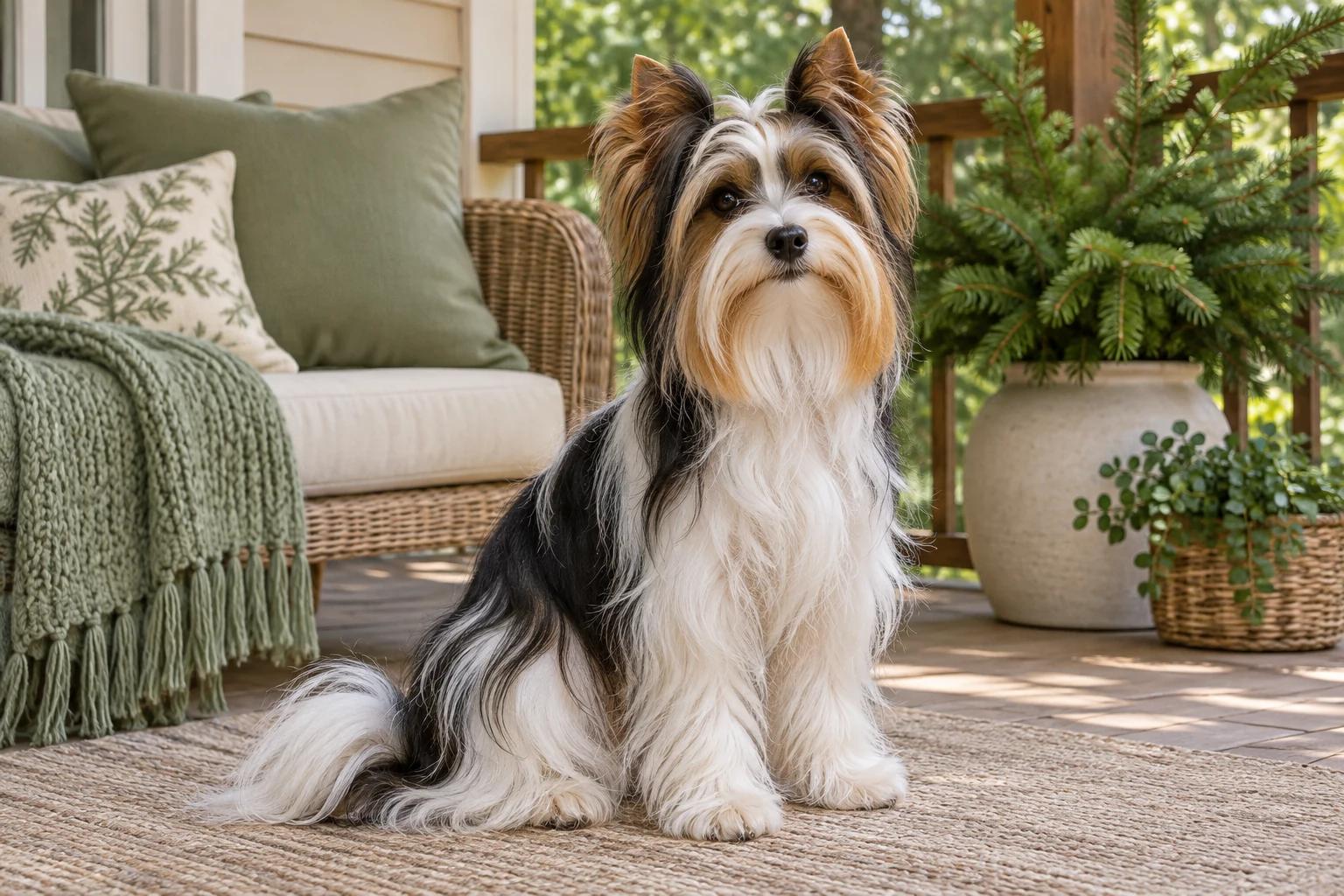
A Biewer Terrier vs Yorkshire Terrier comparison begins with two small, silky-coated dogs, but it should not end with color. Coat maintenance, activity preferences, vocal behavior, and the individual dog's habits can matter more once you are living together. The useful choice is between workable daily routines, not between two attractive photographs.
Both can interest someone seeking a small companion. To compare them fairly, separate the facts you know from the assumptions you are making and ask the same practical questions about each individual dog.
Biewer Terrier vs Yorkshire Terrier: size and appearance
The Biewer Terrier profile lists a typical adult height of 7–11 inches and weight of 5–8 pounds. The reference fields on the Yorkshire Terrier profile list 7–8 inches and 4–7 pounds. These figures place both in a small size range; they do not establish that every Biewer is smaller or larger than every Yorkie.
Both profiles describe long, silky coats. The Biewer's tricolored appearance differs from the Yorkshire Terrier's recorded color combinations, but appearance alone does not tell you how a dog handles company, learning, or a busy street.
The AKC Biewer introduction emphasizes a playful companion, while its Yorkshire Terrier introduction highlights a spirited terrier. Treat those descriptions as topics to explore rather than a reason to assign every individual a fixed role.
Measure the dog, not the photograph
If equipment or travel arrangements are important, collect the measurements the provider actually requests. Weight alone may not answer a question about carrier dimensions or harness fit. For a puppy, ask about the adult family while keeping estimates separate from current measurements.
Small differences can matter in practical arrangements, but avoid turning a reference range into an exact forecast. Your plan should remain workable for the particular dog you bring home.
Coat care is part of either choice
A long coat can be presented in several ways, and the length you choose influences the work you take on. Compare actual grooming plans rather than one show photograph with another dog's short companion trim.
Ask the caregiver or groomer what happens between appointments. Which tools are used? Which areas need attention? How does the dog respond to the routine? A clear explanation lets you judge whether the maintenance fits your time and skill.
The site's newer care notes describe a lighter brushing schedule for the Biewer than for the Yorkshire Terrier. Do not treat that broad comparison as permission to ignore the coat in front of you. Ask for an individual plan based on its length and condition, and have unfamiliar techniques demonstrated.
Compare like with like
When thinking about a Biewer Terrier or Yorkshire Terrier, choose similar coat lengths for your imaginary week. Otherwise you may be comparing styling decisions rather than the breeds themselves.
If you prefer a shorter finish, say so before selecting a dog or booking a grooming appointment. Ask what that choice changes and what care remains. A practical trim is a maintenance decision, not a way to remove grooming from ownership.
Activity and learning can shape the everyday difference
Ask about each dog's established outings and learning routine rather than assuming that two small breeds have the same activity needs. What can you provide consistently, and what does the individual already enjoy? Compare those practical answers without turning a breed description into an exercise prescription.
Imagine a weekday rather than a holiday. What outings can you provide consistently? Do you enjoy teaching small skills? Can you offer a manageable game and then a quiet period? The answers help you compare routines without relying on labels such as energetic or relaxed.
For either dog, learning can support practical independence. Teach cooperation with walking equipment, grooming, and movement around the home. A small dog should not need to be carried through every ordinary transition simply because lifting is possible.
Keep physical questions individual. Talk with your veterinarian about suitable activity, especially before adding a demanding new pastime. A breed comparison can organize your questions but cannot assess the dog's readiness.
Consider sound and surroundings together
In a Yorkshire Terrier vs Biewer Terrier decision, noise can be more important than a modest difference in height. The site's Biewer notes describe alert barking that often settles after a response. Its Yorkshire Terrier reference indicates a more prominent vocal tendency.
Ask what that means for the dogs you are considering. Does a passing person attract attention? What happens when a delivery arrives? How does the caregiver respond? The setting may explain as much as the breed description.
If you share walls, examine the home's actual triggers. A resting place beside a busy window creates a different experience from a quieter room. Discuss management and learning with a trainer rather than expecting a small dog to be automatically unobtrusive.
Avoid choosing one breed solely because it is presented as quieter. You need to understand the individual and have a practical plan for normal communication in your particular surroundings.
Company and handling deserve equal attention
Both profiles describe dogs with an interest in familiar people. Ask how companionship works across the day: resting nearby, joining activities, accepting care, and spending time apart when necessary.
A dog that enjoys your company still needs a routine for moments when you are unavailable. Explain your schedule to the current caregiver and ask what is known about the dog's experience. For puppies, distinguish early observations from an established adult pattern.
Discuss introductions and household boundaries when other animals or children are involved. Provide appropriate supervision and places to rest separately. Neither breed name answers every compatibility question for a particular household.
The dog matching quiz can help you organize these preferences before meeting dogs. For a different part of Biewer ownership, read the article about interpreting Biewer records. Then return to the everyday comparison: the difference between Biewer Terrier and Yorkshire Terrier matters most when it changes a routine you can realistically provide.
FAQ
What is the main difference between Biewer Terrier and Yorkshire Terrier?
They differ in appearance and in the tendencies described by their profiles, including vocal behavior and coat-care planning. Both are small, silky-coated dogs. Compare individual routines and similar coat lengths rather than choosing solely from color or a photograph.
Is a Biewer Terrier smaller than a Yorkshire Terrier?
Not necessarily. My Breed Atlas lists Biewers at 5–8 pounds and its Yorkshire Terrier reference field at 4–7 pounds, with overlapping small-dog proportions. Measure the actual dog when planning equipment or travel rather than assuming the breed name determines which individual is smaller.
Which needs less grooming, a Biewer or a Yorkie?
The site's newer care notes describe a lighter brushing schedule for the Biewer, but coat length and individual maintenance still matter. Compare grooming plans for similar presentations and ask a professional to demonstrate the care your particular dog needs.
Should I choose a Biewer Terrier or Yorkshire Terrier?
Choose by comparing your schedule, grooming preferences, activity interests, and housing with the individual dog's known behavior. Ask the same practical questions about both. Breed tendencies help organize the decision, but they do not replace meeting and learning about the dog.
Sources behind this article
Article source checked: November 14, 2026. Source checked 2026-11-14
Keep reading

Affenpinscher vs Brussels Griffon: Everyday Differences
Read article →