Biewer Terrier Grooming: A Practical Coat-Care Plan
Plan Biewer Terrier grooming around coat length, gentle brushing, a useful haircut, and clear communication with your groomer.
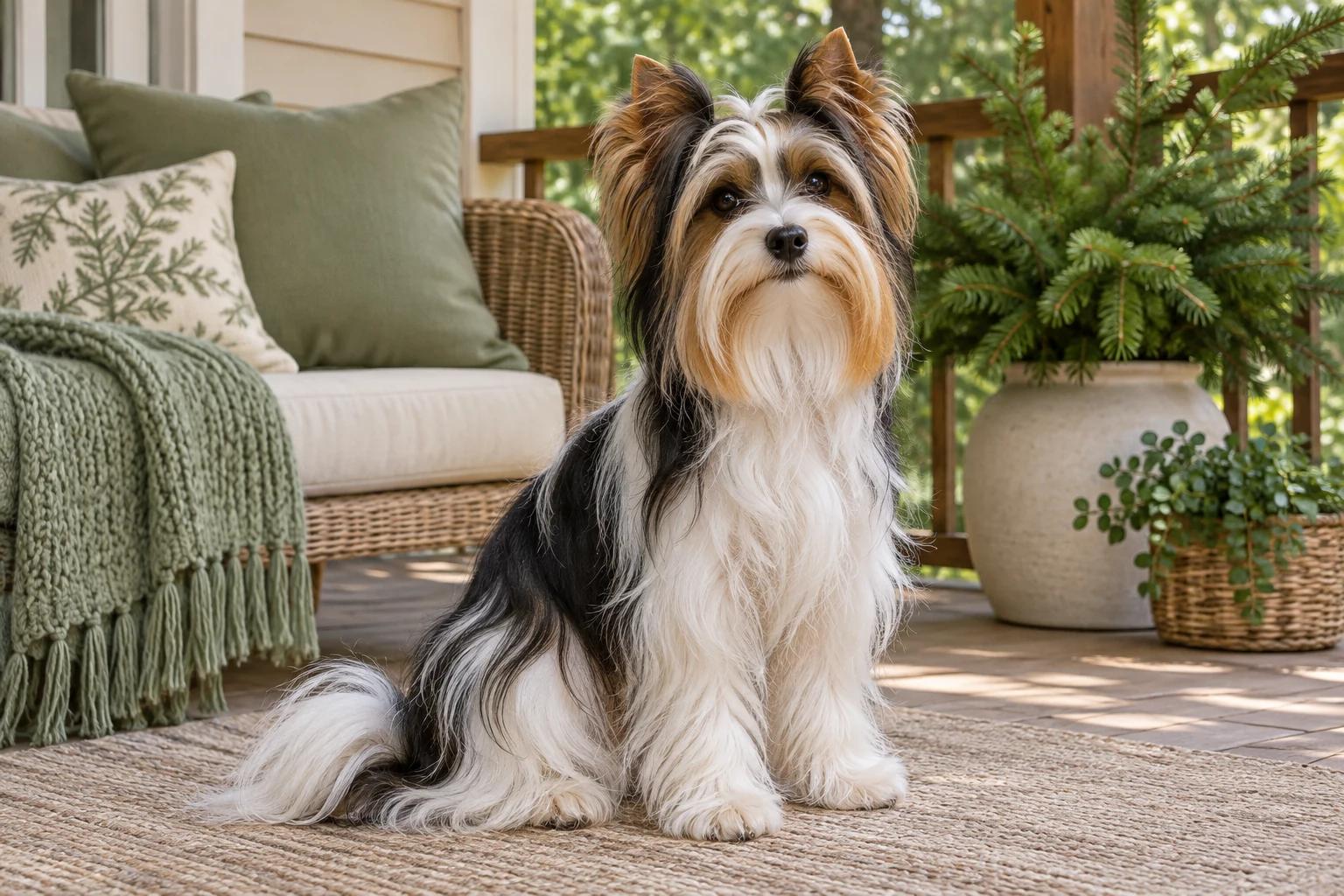
Biewer Terrier grooming is easier to organize when you choose a coat length that fits your actual week. A flowing coat and a shorter companion trim create different jobs, even on the same small dog. The aim is a manageable routine, not keeping a photograph-perfect finish through every walk, meal, and nap.
The Biewer Terrier profile describes a long, silky coat with relatively light loose hair. That does not remove the need for coat care. Start by understanding the presentation you want, the maintenance it involves, and the help available when you need it.
Biewer Terrier grooming starts with a realistic goal
The AKC breed overview identifies the Biewer as a longhaired, tricolored toy dog. For an owner, the important practical feature is the hair you will be maintaining, not whether your dog looks ready for a show ring.
Ask yourself what happens during a normal day. Does the dog explore a garden? Walk along leafy paths? Accompany you between home and work? Those details belong in a grooming conversation because they influence how easy a particular length is to maintain.
Bring photographs to a groomer, but explain what you like about them. You might want the face clearly visible, less hair trailing around the feet, or a softer outline around the body. A picture without that explanation can leave both people imagining a different result.
Choose the maintenance before the appearance
Ask what you will need to do between appointments before agreeing on a style. Have the groomer show you the home routine on your own dog's coat. If it takes more time or skill than you can provide, choose a more workable finish rather than hoping the maintenance will somehow become unnecessary.
Keep a photo of a successful trim with a short note about what worked. That gives you a useful reference at the next appointment and makes it easier to explain adjustments without starting the conversation again.
Build a Biewer Terrier coat care kit you understand
A useful Biewer Terrier coat care kit contains tools selected for the individual coat, not every brush advertised for small dogs. Ask a groomer to demonstrate the purpose of each item and how it should feel in use. Knowing when to stop matters as much as knowing where to begin.
VCA's general coat-care guidance emphasizes gentle handling, coat-appropriate equipment, and professional help for extensive tangling. Use that as a framework for asking questions rather than treating a tool list as instructions to tackle every problem yourself.
Set up a small, consistent place for routine care. Keep supplies within reach, provide secure footing, and choose a time when you are not rushing out of the door. The practical benefit is simple: fewer interruptions make it easier to notice what the coat needs and how the dog is responding.
Do not turn your first attempt into a complete makeover. Learn one task well, then add another once the setup feels familiar. A demonstration followed by your own supervised practice can be more useful than buying another product.
How to brush a Biewer Terrier without making it a battle
When learning how to brush a Biewer Terrier, ask someone experienced to show you a small section of your dog's coat. Watch how they separate the hair, support it, and recognize resistance. Then practice the same section while they check your technique.
Work in manageable areas rather than repeatedly sweeping across the visible surface. Keep track of which areas you have checked so you do not spend all your time on the easiest part and miss the places where hair rubs together.
A simple coat map can help. Mark the body, legs, chest, and areas around equipment on a sketch, then ask the groomer which sections deserve particular attention for your dog. This is an organizational tool, not a substitute for learning the technique.
Pause when the task changes
Ordinary brushing and dealing with a tight mat are different jobs. If you encounter resistance you cannot comfortably resolve, stop and arrange professional help. Pulling harder does not make the task clearer or more pleasant.
If handling seems painful or the skin has changed, talk with your veterinarian. Keep grooming questions and medical concerns separate so that a cosmetic routine does not become an attempt to diagnose a problem.
Choosing a Biewer Terrier haircut
A Biewer Terrier haircut should suit the coat, the dog's activities, and the maintenance you can reliably provide. A shorter trim can change the amount of hair you manage, but it does not make brushing, checking, or appointments disappear.
Discuss each area separately. What length will remain on the body? How will the face be framed? What can you maintain around the feet between visits? Avoid relying only on a style name, since people may use the same label for different finishes.
Ask for a plan that explains both the appointment and the interval afterward. If the dog's coat is not in the condition needed for your preferred look, listen to the groomer's assessment and agree on a practical starting point.
Save your preferences in plain language. “Keep the eyes visible and the body length easy for me to maintain” communicates more than “make it cute.” You can refine the appearance after you know the routine works.
Fit grooming around the rest of the week
Place coat checks beside activities that already happen, such as returning from an outing or putting away walking equipment. Notice whether leaves or other debris collect in particular areas and mention recurring problems at the next grooming visit.
Keep bathing and product questions with the professionals who know the dog. Ask which products are appropriate and follow their directions. Avoid choosing a schedule solely because another Biewer owner uses it; coat length and daily activities can differ.
The dog matching quiz can help you think about the grooming time you enjoy and the time you realistically have. For a separate ownership topic, the site's Biewer Terrier paperwork article explains how to read the breed's records without confusing them with everyday coat care.
FAQ
Does a Biewer Terrier need grooming if it sheds lightly?
Yes. Light loose hair does not mean a silky coat needs no attention. Plan brushing, coat checks, and a suitable trim with an experienced groomer. The individual coat length and the routine you can maintain should shape the plan.
What is the best Biewer Terrier haircut?
The best haircut is one that suits the dog's coat and activities and that you can maintain between appointments. Describe your preferences area by area rather than relying only on a style name. Ask the groomer to explain the home maintenance before choosing.
How should I learn to brush a Biewer Terrier?
Ask an experienced groomer to demonstrate on your dog's coat, then practice a small section with guidance. Use suitable tools and gentle handling. Stop when a tangle is beyond your comfortable skill level rather than pulling harder.
Can I remove a difficult mat at home?
Arrange professional help for a difficult or extensive mat rather than improvising with tools near the skin. If the area seems painful or irritated, talk with your veterinarian. A regular maintenance plan can help you notice developing tangles earlier.
Sources behind this article
Article source checked: November 14, 2026. Source checked 2026-11-14
Keep reading

Affenpinscher Grooming: A Practical Coat-Care Routine
Read article →