Bernese Mountain Dog vs Greater Swiss Mountain Dog
Compare Bernese Mountain Dog and Greater Swiss Mountain Dog size, coat care, training and practical home needs before choosing between them.
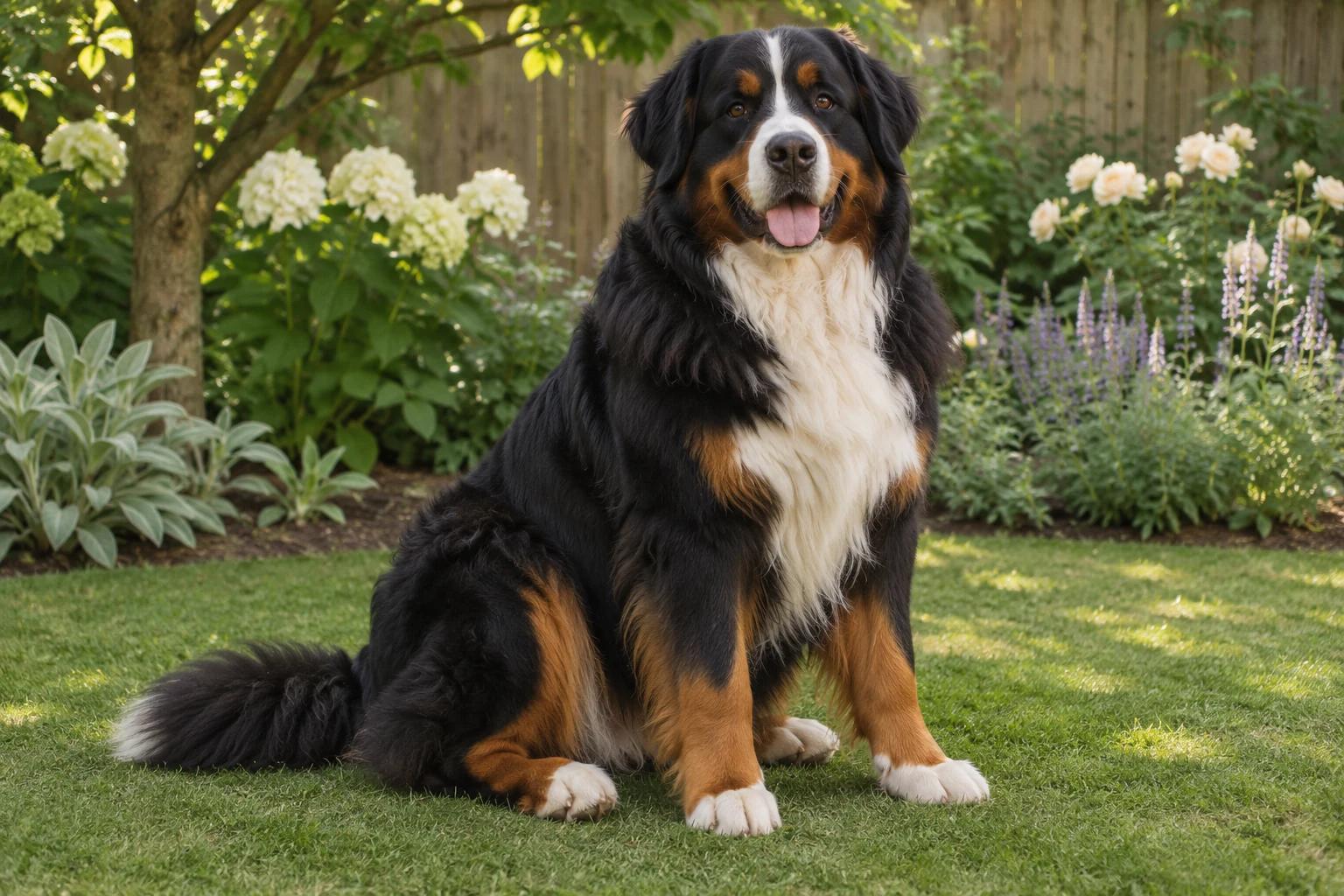
Bernese Mountain Dog vs Greater Swiss Mountain Dog is an understandable comparison: both are substantial Swiss working breeds with black, rust and white markings. The most obvious difference is coat length, but size and practical care also deserve a close look. A shared color pattern does not make the two dogs interchangeable.
Read the Bernese Mountain Dog profile and Greater Swiss Mountain Dog profile together. They help separate the measurable differences from the individual behavior you will need to investigate by meeting dogs and talking with caregivers.
Bernese Mountain Dog vs Greater Swiss Mountain Dog: size first
My Breed Atlas lists these adult reference measurements:
| Measurement | Bernese Mountain Dog | Greater Swiss Mountain Dog |
|---|---|---|
| Male shoulder height | 25–27.5 inches | 25.5–28.5 inches |
| Male weight | 80–115 pounds | 115–140 pounds |
| Female weight | 70–95 pounds | 85–110 pounds |
| Coat profile | Medium double coat | Short, smooth coat |
Both choices require serious transport and equipment planning. The Greater Swiss has the higher listed weight range, but an individual dog's measurements are still needed when buying fitted equipment or arranging travel.
Do not compare a small female of one breed with a large male of the other and call the resulting impression a universal rule. Compare like with like where possible, then consider the particular dog you are meeting.
A shared working background does not erase differences
The Bernese club's standard describes a dog developed for draft and droving work. The Greater Swiss club's standard also emphasizes those working functions and a strong, substantial build.
For a prospective owner, that background is a reason to take physical management and teaching seriously. It is not an instruction to attach a cart or load to an unprepared dog. If you become interested in a working activity, seek appropriate instruction and talk with your veterinarian about the individual dog's readiness.
An ordinary household already offers plenty of useful skills to teach: moving through entrances, standing for equipment, walking together and settling in a designated space. Those tasks matter whether or not you ever explore a formal activity.
Coat care: shorter does not mean absent
The Bernese profile includes daily brushing in its everyday-care notes. The Greater Swiss profile lists brushing once or twice weekly. That is a meaningful scheduling difference if coat care is a major factor in your decision.
The Greater Swiss standard describes an undercoat beneath the dense topcoat. Its shorter appearance should therefore not be mistaken for a promise of no loose hair. Both dogs need coat checks and a household cleaning plan, even though the work will look different.
For a Berner, ask to see how an owner works through the coat and checks the furnishings. For a Swissy, ask what seasonal changes and routine brushing look like for that individual. Observe the process rather than deciding from how tidy the dog looks at the end.
Compare the care space as well as the tools
A grooming area must accommodate the dog's size and let you reach around it comfortably. Check the route to that area, the surface and the space for equipment. A shorter coat does not make a large dog physically smaller during handling.
If professional help is part of your plan, ask what you will still need to do between appointments. Travel, drying arrangements and home care all belong in the comparison. An appointment price alone does not describe the entire commitment.
Think through everyday handling
Imagine putting a lead on while someone waits at the door. Then imagine guiding the dog into transport or helping it move past furniture in a narrow room. These situations make adult size much more tangible than a number in a table.
Teach useful positions and movement early, while keeping expectations appropriate to the individual. A dog that understands where to stand is easier to organize than one expected to guess while people reach around it.
Discuss assistance plans before they are needed. Who could help if the normal travel arrangement became difficult? Is the vehicle accessible? Ask your veterinarian for guidance if a dog needs physical assistance rather than improvising a lifting method.
Compare companionship through examples
Both site profiles describe interest in family life. That does not tell you exactly how an individual will behave when visitors arrive, someone leaves or the household becomes busy. Ask for examples from the dog's normal routine.
Watch both active interaction and the moments afterward. Where does the dog choose to rest? What does the caregiver do to end a game or start an outing? Those observations can show the skills and arrangements already established.
Avoid declaring either breed universally calmer, easier or more sociable from one meeting. A dog resting after an activity and a dog waiting for its outing are not being observed under the same conditions.
Build a realistic activity and learning plan
When choosing Bernese Mountain Dog or Greater Swiss Mountain Dog, set aside time for outings, learning and shared activity. Neither should be selected on the assumption that a large, relaxed-looking dog wants no engagement.
Ask about activities the individual already knows and enjoys. Learn what equipment and support are involved before committing to a new pursuit. The goal is a sustainable plan, not an ambitious list that works only during holidays.
The dog breed quiz can help organize these preferences alongside coat care and size. Our article on reading Berner-Garde records covers a different part of researching a Berner. Keep factual records, practical logistics and individual observations as separate parts of your decision.
Choosing between the two
The difference between Bernese Mountain Dog and Greater Swiss Mountain Dog is clearest in the coat routine and the higher Swissy weight range. Both need an owner prepared for a substantial dog and ongoing teaching.
For a Greater Swiss Mountain Dog vs Bernese Mountain Dog decision, start with the constraints that are hardest to change: transport, available help and the care routine you can maintain. Then meet suitable adults and investigate the particular dog. Appearance can influence your preference, but it should not do all the deciding.
FAQ
Is a Greater Swiss Mountain Dog bigger than a Bernese?
The Greater Swiss has a higher listed adult weight range. My Breed Atlas records males at 115–140 pounds versus 80–115 pounds for Bernese males. Individual measurements still matter when selecting equipment or planning transport.
Which breed needs more brushing?
The site's everyday plan lists daily brushing for the Bernese Mountain Dog and once or twice weekly for the Greater Swiss Mountain Dog. Coat condition and seasonal changes affect the work, so learn the routine for the individual.
Does the Greater Swiss have an undercoat?
Yes. The Greater Swiss breed standard describes an undercoat beneath its dense topcoat. A short, smooth appearance does not mean a dog has no undercoat or produces no loose hair.
Which breed is easier to own?
Neither is universally easier. The shorter Swissy coat changes grooming demands, while its higher adult weight range changes handling logistics. Compare your resources and the individual dog rather than expecting one breed to remove every challenge.
Sources behind this article
Article source checked: November 14, 2026. Source checked 2026-11-14
Keep reading

Affenpinscher vs Brussels Griffon: Everyday Differences
Read article →