Bernese Mountain Dog grooming: working through the double coat
Plan Bernese Mountain Dog grooming with daily brushing, careful attention to furnishings and a manageable routine for shedding and cleanup.
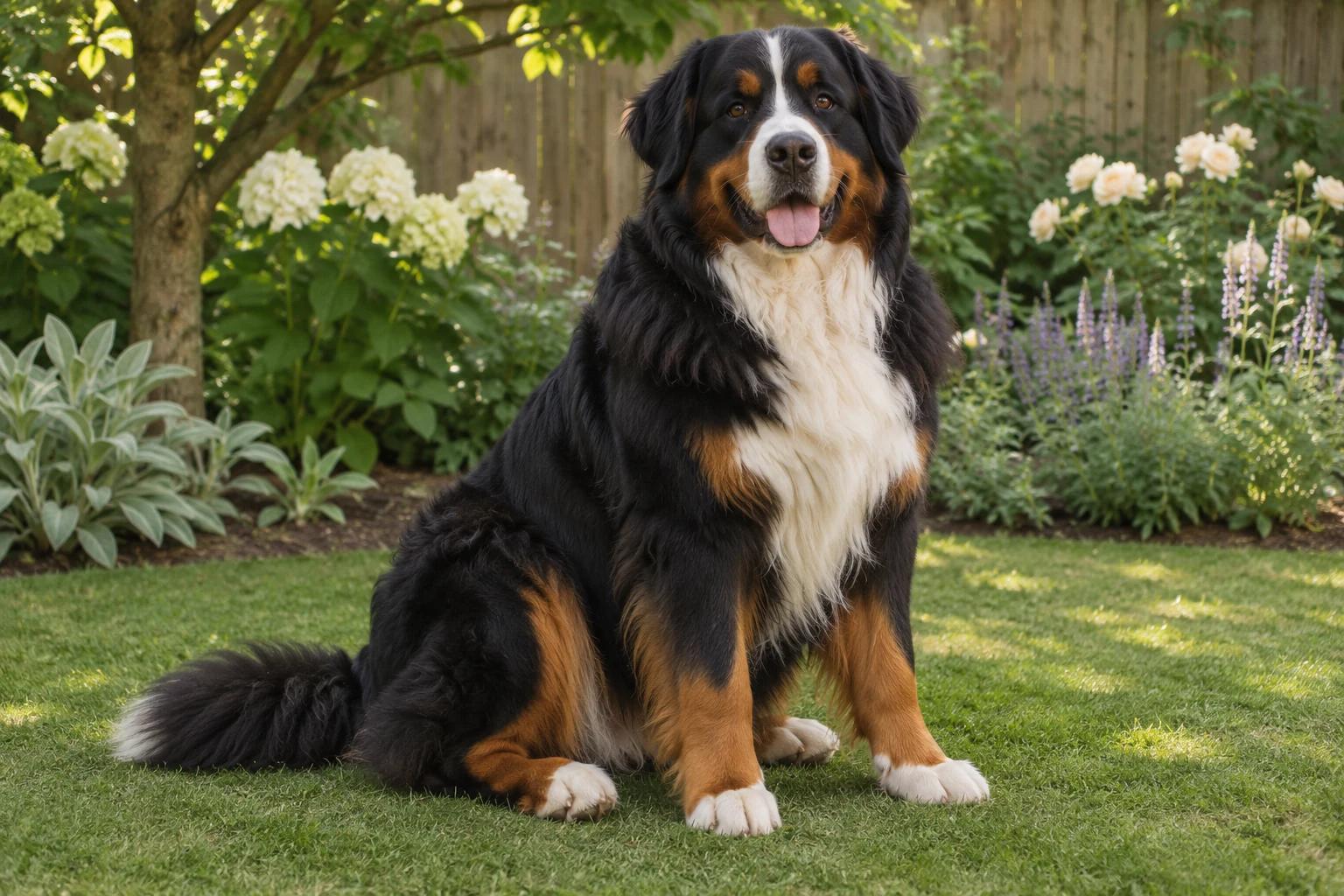
Bernese Mountain Dog grooming is a regular hands-on job, not just a bath before a special outing. The double coat needs attention throughout the year, and loose hair becomes a familiar part of the household. A methodical routine makes the work easier to see and easier to maintain.
The Bernese Mountain Dog profile lists daily brushing in its everyday care plan, with seasonal increases in shedding. Start by learning the right technique for your dog's actual coat, then organize the tools, space and time to use it consistently.
Bernese Mountain Dog grooming: understand the natural finish
The BMDCA standard describes a thick coat that may be straight or slightly wavy and emphasizes a natural presentation. The aim of ordinary care is not to turn every outline into a sharply sculpted shape.
A clean surface can still hide loose undercoat or tangles in less visible areas. Conversely, a coat that looks full and slightly unruly is not necessarily neglected. Learn what you should be checking with your hands and tools instead of judging the whole job from a photograph.
Ask the breeder or an experienced groomer to show you a completed section and explain how they know it is finished. That small demonstration can be more useful than watching someone groom an entire dog too quickly to follow.
Set up for the size of the dog
Choose a stable, nonslip place where you can reach the dog without twisting awkwardly. Good lighting helps you see the areas you are checking. Have the tools within reach before the dog arrives so that the session does not become a sequence of interruptions.
A comfortable position for you matters because this is repeated work. Think about how you will reach each side and whether the dog can turn without bumping furniture. If you use a raised surface, get appropriate equipment and instruction rather than improvising with household furniture.
Keep handling practice separate when necessary. A dog can first learn to stand in the care area, then accept a brief touch or a few easy brush strokes. You do not have to complete every part of grooming during the same lesson.
Learn how to brush a Bernese Mountain Dog thoroughly
The Bernese Mountain Dog Club of Western Australia's grooming guide emphasizes reaching through the coat rather than brushing only the surface. It also calls attention to the softer hair behind the ears and the furnishings on the legs and tail.
Ask which brush and comb suit your individual dog and how much pressure to use. Work in a consistent sequence so you do not repeatedly brush the easy upper surface while missing other areas. A simple checklist can help you remember what you have actually covered.
Do not force a tool through resistance. Stop to identify the problem and ask for help if you cannot manage it comfortably. A grooming session should not become a test of how much pulling the dog will tolerate.
Check the areas that are easy to overlook
Behind the ears, leg furnishings and the tail deserve deliberate attention. Include areas affected by everyday equipment or contact with the ground when checking the dog after an outing. The goal is to notice what needs care before it becomes a larger job.
Use brief pauses to reposition the dog and yourself. If one area is difficult to reach, change the setup rather than repeatedly bending into an awkward position. A sustainable routine needs to work for the person doing it as well as the dog.
Make shedding season less disruptive
Bernese Mountain Dog shedding is not something a haircut or a single intensive brushing session permanently removes. Notice when you are collecting more loose hair and review whether the routine needs additional attention or professional help.
Prepare the household side of the job too. Keep washable covers where they are useful, decide where grooming hair will be collected and make cleaning equipment easy to access. A routine that includes cleanup is more realistic than one that ends when the brush is put down.
You do not need to assign a precise shedding score to each week. A short note about seasonal changes can help you recognize your own dog's usual pattern. If the skin or coat changes unexpectedly, talk with your veterinarian rather than assuming every change is normal shedding.
Plan bathing and drying together
Before bathing, ask your groomer which products and process suit the coat. Think through the whole task: bringing the dog into the space, rinsing, moving out and drying thoroughly. The drying stage needs time and appropriate equipment, not whatever happens to be nearby.
Make sure someone experienced has shown you how to use any drying equipment you intend to use. If the setup is impractical at home, professional bathing may be a better arrangement. That still leaves routine brushing and observation as part of your own role.
Keep cosmetic choices separate from health questions. If there is discomfort, an unfamiliar odor or a skin change, talk with your veterinarian. Changing shampoo repeatedly is not a reliable way to identify the cause.
Professional help should clarify home care
At an appointment, ask what work should happen between visits. “Brush regularly” is less useful than a demonstration of the tools, areas and technique appropriate to your dog. Explain any part you struggle to complete so the plan can be adjusted.
Ask before requesting extensive cosmetic trimming. State the practical problem you want to solve, whether that is cleaning a particular area or making the routine manageable. A clear problem gives the groomer something specific to address.
Keep a simple record of recommendations, products and appointment dates. If another caregiver takes over, share those instructions and show them the routine. Bernese Mountain Dog coat care works best when it does not depend on one person's memory of a rushed conversation.
Include the work in your ownership decision
A handsome coat comes with repeated care and cleaning. Before choosing a Berner, consider whether you enjoy that kind of practical involvement and whether experienced help is available locally.
The dog breed quiz can help you weigh grooming alongside size, activity and companionship. Our separate guide to Berner-Garde records addresses research before ownership, while this routine is the work that continues after the dog is home.
FAQ
How often should I brush a Bernese Mountain Dog?
My Breed Atlas lists daily brushing as the usual everyday plan. The individual coat and seasonal changes affect the work involved. Ask an experienced groomer to demonstrate how to reach through the coat and check the finished result.
Do Bernese Mountain Dogs shed a lot?
Yes. Shedding is a significant part of the breed's care profile, with seasonal increases. Brushing and household cleaning help manage loose hair, but they do not eliminate shedding or make it a one-time task.
Which areas need particular attention?
Include the softer hair behind the ears, leg furnishings and tail when checking the coat. Work methodically rather than brushing only the easy upper surface. Ask for help if a tool catches or the dog appears uncomfortable.
Should I groom my Berner entirely at home?
That depends on your equipment, experience and the individual dog's needs. You can combine routine home care with professional help. Ask exactly what should happen between appointments and get instruction before attempting unfamiliar techniques.
Sources behind this article
Article source checked: November 14, 2026. Source checked 2026-11-14
Keep reading

Affenpinscher Grooming: A Practical Coat-Care Routine
Read article →