Belgian Malinois vs German Shepherd: Compare the Commitment
Compare Belgian Malinois vs German Shepherd coat, learning, activity, and practical household needs without choosing from working-dog stereotypes.
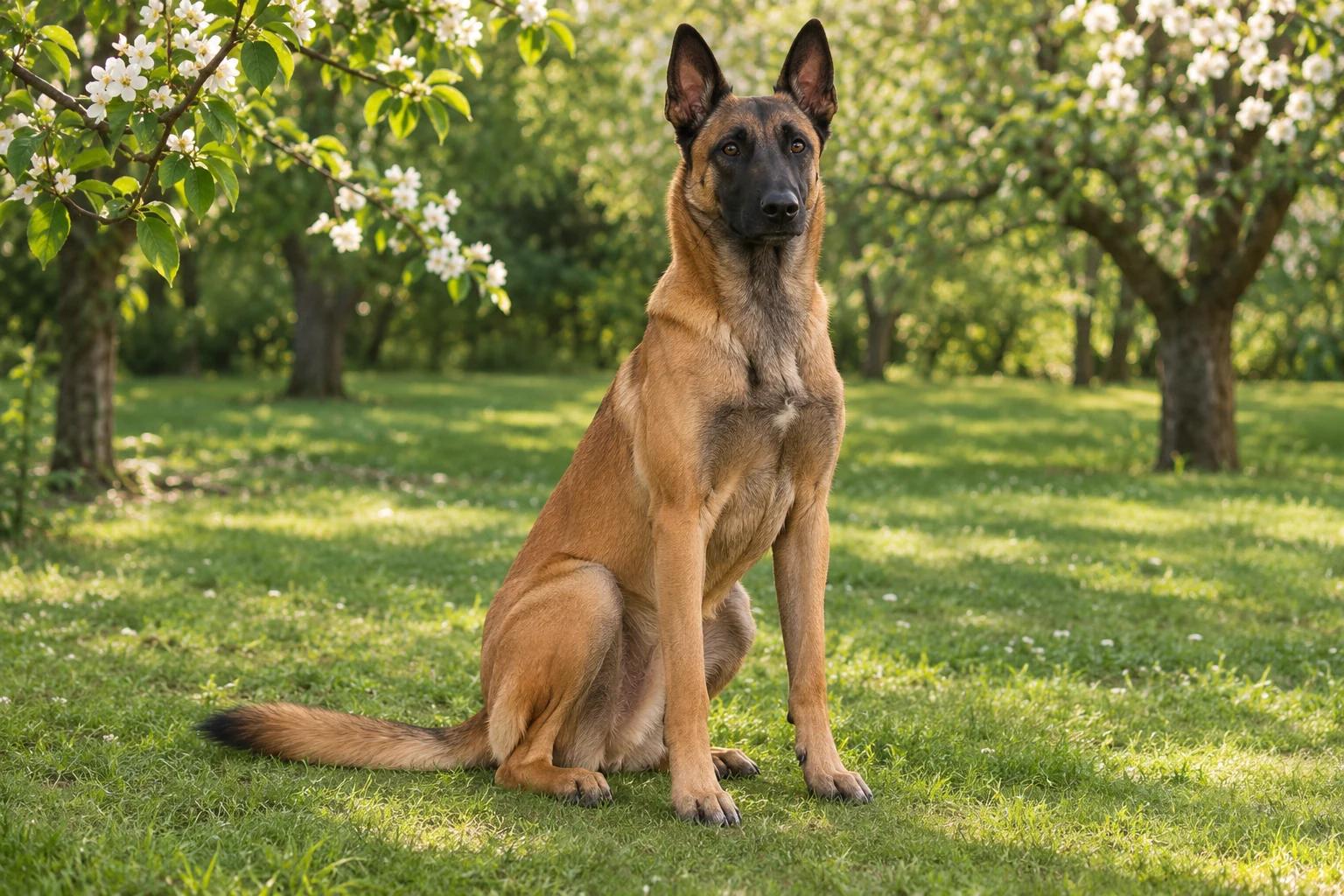
Belgian Malinois vs German Shepherd is often framed as a contest: which is smarter, stronger, or more capable? Those rankings do not answer the ownership question. The useful comparison is which individual dog fits the activities, care, teaching, and daily involvement you can provide.
Read the Belgian Malinois profile and German Shepherd Dog profile before making a shortlist. Both describe substantial activity and learning commitments. Neither is a sensible default if the main goal is to avoid those responsibilities.
Belgian Malinois vs German Shepherd: visible differences first
The site lists the same height ranges for both breeds: 24–26 inches for males and 22–24 inches for females. Their visible outlines and coats still differ, so height alone does not describe the whole dog.
The Malinois profile lists a short, smooth coat. The German Shepherd profile lists a medium-length double coat. That changes the maintenance conversation, but neither description means no loose hair or no routine care.
For travel equipment and home space, measure a particular adult rather than choosing from a general impression. Consider the opening of a vehicle, the place a travel setup would occupy, and how the dog will move through everyday spaces.
If you are considering a puppy, discuss likely adult requirements without treating a relative’s size as a promise. The practical decision is whether your arrangements can accommodate the dog as it develops, not whether a puppy currently fits beside your chair.
A working reputation is not a ready-made household plan
The AKC’s Malinois introduction emphasizes work and involvement with a handler. Its German Shepherd introduction describes a versatile, intelligent working dog. These broad descriptions support taking the commitment seriously; they do not identify a universal winner.
Ask yourself what you mean by wanting a working breed. Do you want to learn an organized activity with a dog? Do you enjoy practicing small skills? Or are you attracted mainly to the reputation and appearance?
A useful answer names the process you want to share. “I want to attend lessons and develop a suitable hobby” gives you something to investigate. “I want a highly trained dog” names an outcome without explaining who will do the teaching.
Discuss your actual goals with knowledgeable caregivers and instructors. Specialized working roles are not a template you need to reproduce in a companion home.
Compare individuals and backgrounds, not internet rankings
A German Shepherd vs Belgian Malinois decision becomes clearer when you ask the same practical questions about each dog. What is its current routine? What has it learned? Which environments are familiar? How does its caregiver organize ordinary handling and rest?
The answers may reflect age, experience, and the individual’s history as much as the breed name. Do not compare a mature dog with years of teaching to an inexperienced youngster and assume every difference is a breed trait.
If possible, meet several adults and see ordinary intervals as well as active moments. Ask what is typical about the behavior you observe. A single meeting is useful, but it should lead to further questions rather than instant certainty.
Avoid tests designed to provoke a response. You do not need to challenge or startle a dog to decide whether a household arrangement is suitable. Seek individual professional guidance when behavior or handling raises concerns.
Coat maintenance belongs in the comparison
Ask owners of both breeds to describe a normal care week and a busier shedding period. Then ask which tools they use and what professional help they arrange. Actual tasks are easier to compare than labels such as easy coat or heavy shedder.
For the Malinois, short hair may make the outline look simpler, but maintenance remains part of the plan. For the German Shepherd, discuss the actual coat rather than assuming every dog pictured online has an identical care requirement.
Consider household cleaning, bedding, and transport surfaces alongside brushing. Those are separate tasks. A dog can have a maintained coat while loose hair still requires cleaning around the home.
If you dislike those responsibilities, do not assume choosing between these two breeds will remove them. Include coat care honestly among the reasons a particular dog may or may not fit.
Make activity and learning sustainable
Both profiles call for an engaged daily life. Before choosing a Belgian Malinois or German Shepherd, consider your access to suitable locations, instruction, and support when your schedule changes.
Choose an activity because its preparation appeals to you, not only because the finished result looks exciting. Ask about beginner requirements, practice between lessons, and how the instructor adapts work to individuals.
For physical demands, talk with your veterinarian about suitability. Do not infer that a dog can follow a strenuous program simply because another dog with the same breed name does it.
Keep ordinary home skills alongside formal activity. A sport or class does not automatically teach everything needed for appointments, travel, or quiet time in the house. Plan for the complete relationship rather than one impressive part of it.
Use a decision sheet that exposes real differences
Write two columns and answer the same questions for each individual under consideration:
- What adult physical arrangements will be needed?
- What care tasks will I do each week?
- What training support is already available?
- What does a normal day of activity involve?
- Who provides appropriate care when I am unavailable?
Leave unknowns visible. Do not fill them with reputation or an assumption that one breed must be the easier alternative. An unanswered question is a reason to investigate, not an invitation to guess.
The dog breed quiz can help organize your preferences. For the Malinois specifically, read what training videos leave out as a separate look at the learning commitment.
The difference between Belgian Malinois and German Shepherd ownership is most useful when tied to an actual dog and a workable plan. Choose the relationship you want to sustain through ordinary years, not the breed that wins an imaginary contest.
FAQ
Are Belgian Malinois and German Shepherds the same height?
My Breed Atlas lists both at 24–26 inches for males and 22–24 inches for females. Individual measurements and overall build still vary, so use the actual adult dog when planning travel equipment and household space.
Which breed is easier to own?
Neither breed is universally easier. Compare the individual’s history, activity, training, handling, and care needs with your available time and support. A breed reputation cannot answer whether a particular dog fits a particular household.
Does the Malinois have a different coat from a German Shepherd?
The site lists the Malinois coat as short and smooth and the German Shepherd coat as medium-length and double. Discuss maintenance for the individual coat; neither description means that grooming and loose-hair cleanup disappear.
How should I choose between a Malinois and a German Shepherd?
Meet individual adults, ask the same practical questions about both, and identify a realistic plan for activity, learning, care, and absences. Choose based on responsibilities you want to support rather than rankings of strength, intelligence, or reputation.
Sources behind this article
Article source checked: November 14, 2026. Source checked 2026-11-14
Keep reading

Affenpinscher vs Brussels Griffon: Everyday Differences
Read article →