Belgian Malinois Grooming: A Short-Coat Maintenance Plan
Manage Belgian Malinois grooming with a clear brushing routine, seasonal adjustments, and practical household cleanup for a short coat that still sheds.
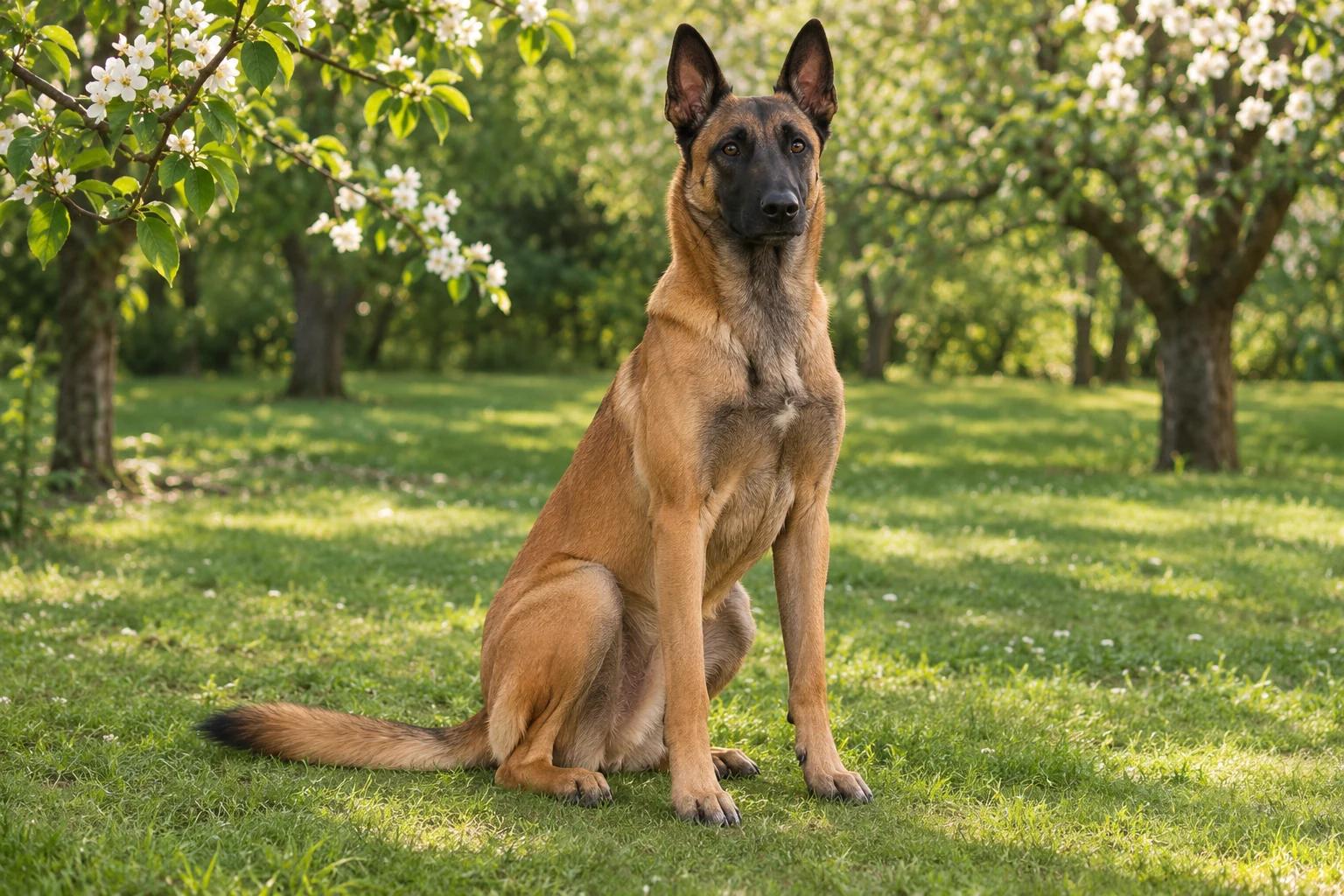
Belgian Malinois grooming may look straightforward beside the work of maintaining a long coat, but short hair still needs attention. Brushing, ordinary checks, and managing loose hair belong in the weekly plan. The aim is not a polished show finish every day; it is a routine you understand and can keep up.
The Belgian Malinois profile describes a short, smooth coat. Its source-specific care accounts are: AKC describes ordinary brushing occasionally. During heavier shedding, AKC gives a daily brushing recommendation to manage loose hair. Ask about the individual coat rather than assuming that a short outline makes every maintenance decision obvious.
Belgian Malinois grooming starts with the coat beneath the outline
The official AKC standard describes a short outer coat with a dense undercoat, with some variation in hair length across the body. A sleek appearance therefore does not mean there is only a single thin layer to consider.
Ask a groomer to demonstrate suitable tools on the dog. Watch how the tool is used and how the groomer decides an area has had enough attention. More pressure or more passes should not be your default response when you are unsure whether the task is complete.
You do not need to buy every product marketed for shedding. Start with a small kit you have been shown how to use. If you are considering a different tool, ask what job it would do that your current one does not.
Keep the routine focused on the actual coat rather than on the amount of hair a dramatic grooming video removes.
Belgian Malinois brushing: keep the process manageable
Choose a place with enough light to see what you are doing and enough room to work comfortably. Have the agreed tools ready and keep the session free from unnecessary distractions.
Ask how to work systematically so that you do not repeatedly brush the easiest area while overlooking another. A simple sequence is easier to repeat than an improvised session each time.
If the dog moves away or struggles with handling, describe the difficulty to a professional and ask for help teaching cooperation. Finishing the entire task in one attempt is not more important than developing an arrangement that works over time.
Where care is shared, leave a brief note about what was done and what needs attention. This can be as simple as the date and a question for the next appointment. It prevents several people assuming that someone else has already completed the task.
Plan for Belgian Malinois shedding without promising zero hair
The AKC’s Malinois care discussion notes heavier shedding periods and the usefulness of additional brushing during them. Use that as a reason to reassess the routine when the coat changes, not as a promise that grooming can eliminate every loose hair.
Keep household cleanup separate from grooming. Brushing addresses the dog’s coat; cleaning addresses what is already on bedding, floors, and travel surfaces. Doing one does not automatically complete the other.
Choose washable covers where they suit your home and follow the material’s care instructions. Keep the equipment you actually use accessible. An elaborate cleaning setup is not helpful if it is too inconvenient to use regularly.
If hair loss changes unusually or accompanies discomfort or skin changes, talk with your veterinarian. Do not assume every change is a normal season simply because the breed sheds.
Track the pattern you actually see
A brief note about when coat maintenance becomes more demanding can help you plan future appointments and household work. Record what you notice rather than predicting an exact calendar from someone else’s dog.
This is especially useful when a new dog joins the household. You are learning its ordinary pattern, not trying to make it match a fixed grooming timetable from the first week.
Decide what stays at home and what needs an appointment
Discuss the division of work with a groomer. Which maintenance tasks can you learn? What service would be useful professionally? What should prompt you to contact them before the next planned visit?
Ask what a quoted service includes. A bath, brushing, drying, and other care may be packaged differently by different providers. Make sure you are comparing the actual service rather than just the name or price.
Do not assume a professional appointment removes the need for care between visits. Equally, do not assume you must learn every task yourself. A workable arrangement can combine home maintenance with professional help.
Medical concerns belong with your veterinarian. Routine grooming is an opportunity to notice changes, not to diagnose them or begin a treatment based on a breed article.
Include grooming in the activity schedule
Malinois ownership often focuses attention on outings and learning. Leave room for care as well. If every available minute is allocated to the activity itself, cleanup and maintenance can become the repeatedly postponed part of the day.
Keep supplies near the place you use after outings, and allow time to put equipment away. This is a household organization choice, not a specialized coat technique, but it can make the plan much easier to sustain.
Provide clear care instructions when someone else looks after the dog. Name the tools, describe the agreed tasks, and give the professional contact for questions. Avoid a vague instruction to “groom if needed” when the caregiver does not know the coat.
Put Belgian Malinois grooming needs in perspective
The coat is one part of the ownership decision, not the whole workload. If you prefer a short coat, that preference can reasonably guide your research. It should not lead you to overlook the activity and learning commitments described in the breed profile.
Use the dog breed quiz to consider those priorities together. The site’s article about Malinois training videos explores the work behind a different polished appearance: a finished performance.
For grooming, keep the goal straightforward. Understand the coat, learn appropriate maintenance, adjust with professional guidance, and budget for loose-hair cleanup. You do not need to make a short-coated dog look elaborate; you need a care routine that remains workable through ordinary weeks and busier coat periods.
FAQ
How often should I brush a Belgian Malinois?
The current My Breed Atlas source-specific care accounts are: AKC describes ordinary brushing occasionally. During heavier shedding, AKC gives a daily brushing recommendation to manage loose hair. Ask a groomer how the individual coat affects that routine and reassess when maintenance becomes more demanding. Use demonstrated tools rather than guessing from appearance alone.
Do Belgian Malinois shed despite their short coat?
Yes. A short, smooth appearance does not mean a dog produces no loose hair. Plan coat maintenance and household cleaning, and ask for guidance when the coat’s ordinary pattern changes.
What brush is best for a Belgian Malinois?
Choose a tool after a groomer has assessed the coat and shown you how to use it. The useful choice is one suited to the task and your handling, not necessarily the product with the most dramatic shedding claims.
When should a coat change go to the veterinarian?
Talk with your veterinarian if hair loss is unusual or occurs with discomfort, skin changes, or other concerns. Do not diagnose the cause from breed expectations or assume every change is part of seasonal shedding.
Sources behind this article
- American Kennel Club: Belgian Malinois Official Standard ↗
- American Kennel Club: Is the Belgian Malinois Right for You? ↗
- AKC source account ↗
Article source checked: November 14, 2026. Source checked 2026-11-14Article source checked: November 18, 2026. Source checked 2026-11-18
Keep reading

Affenpinscher Grooming: A Practical Coat-Care Routine
Read article →