Belgian Malinois Exercise Needs: Build a Sustainable Mix
Plan Belgian Malinois exercise needs around physical activity, purposeful learning, appropriate rest, and the individual dog rather than a mileage target.
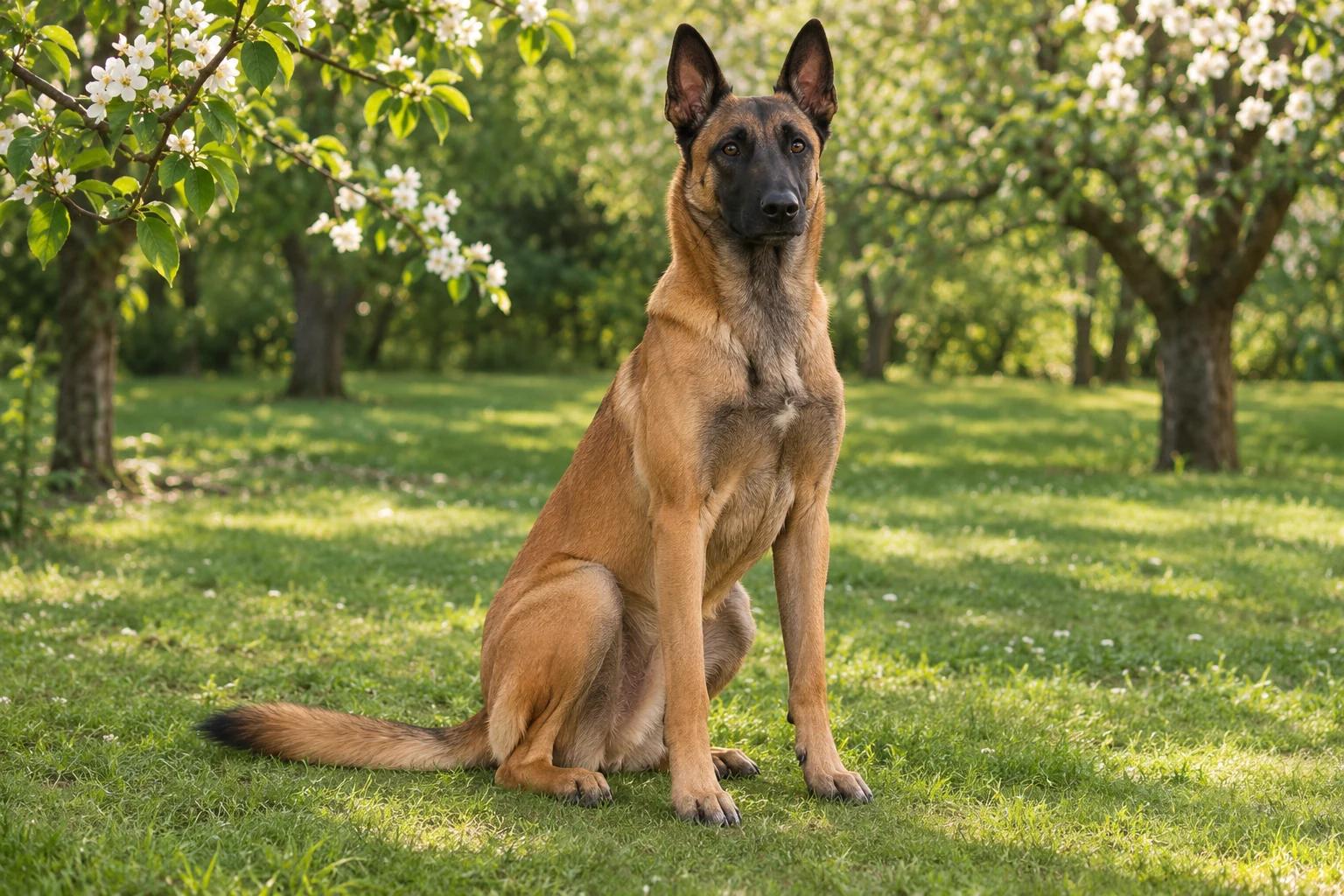
Belgian Malinois exercise needs call for more thought than choosing a long route and repeating it indefinitely. This is an active breed, but more distance is not automatically a better plan. The useful aim is a sustainable mix of movement, purposeful engagement, and recovery that suits the individual dog.
The Belgian Malinois profile describes a substantial daily activity commitment. Before deciding whether the breed fits, consider not only the time available but the kind of involvement you want to provide.
Belgian Malinois exercise needs are not one universal number
If you are asking how much exercise does a Belgian Malinois need, the most honest starting point is the dog in front of you. Age, current condition, experience, and the demands of a particular activity all affect the answer. Talk with your veterinarian about appropriate physical exercise rather than adopting a fixed mileage prescription.
The American Belgian Malinois Club’s ownership guidance emphasizes daily exercise and active involvement. That supports taking the commitment seriously, not turning an example of a vigorous outing into a rule for every dog.
A long time outdoors can include travel, waiting, and conversation. A shorter session may involve more focused work. Neither duration alone tells you everything about what the dog has done.
Describe the activity before judging the amount. What was the pace? Was the route familiar? How much learning was involved? What did the rest of the day contain? These questions create a clearer picture than simply counting minutes.
Build a Belgian Malinois exercise routine with different purposes
Think of the routine in categories rather than a single daily challenge. Movement, exploration, skill practice, and quiet recovery do not have to happen in equal portions, but each deserves consideration.
A familiar walking route can provide a predictable outing. An instructor-led session can focus on learning. A suitable enclosed space may support an activity that would not be appropriate beside a road. Each option has a purpose and a practical setting.
Avoid making every outing the hardest one available. If you are learning a new activity, ask how it should fit with what the dog already does. A class added to the calendar is still part of the whole workload, not something separate from it.
This is an organizing framework, not a prescribed exercise program. Use it to discuss the actual dog’s needs with the professionals helping you and to identify what is missing from your current arrangements.
Choose settings as carefully as activities
An activity depends on where it happens. Check access, boundaries, other users, and the space available for the task. A location that looks ideal in a photograph may have a difficult entrance or unpredictable traffic around it.
Have an alternative you can use when the preferred place is unavailable. The alternative does not need to imitate the original outing exactly; it needs to be suitable and manageable for the dog.
Mental engagement is not an excuse to skip movement
The AKC’s Malinois ownership article emphasizes both physical and mental activity. Treat those as complementary needs rather than interchangeable quantities.
There is no useful universal conversion saying that a puzzle equals a certain number of walking minutes. Instead, ask what the activity offers and how it fits the rest of the day.
For a learning session, choose a clear objective. You might be practicing a familiar skill in a slightly different setting or beginning a new task with an instructor. Keep track of what was learned rather than treating difficulty or excitement as the measure of success.
Likewise, ordinary physical activity does not need to become a lesson at every step. A plan can include movement for its own purpose while reserving a separate time for focused instruction.
Review Belgian Malinois exercise per day without chasing exhaustion
When reviewing Belgian Malinois exercise per day, record what happened and how the arrangement worked. Did the outing fit the available time? Was the setting appropriate? Did the dog have a workable transition afterward?
The goal is not to produce a dog too tired to do anything else. It is to support a daily life you can repeat. Avoid responding to every restless moment by immediately increasing physical demands; first consider the wider context and seek help if needed.
If ability, enthusiasm, or behavior changes unexpectedly, talk with your veterinarian. Do not use a general breed reputation for stamina to dismiss an individual change.
Keep the review simple. A few practical notes can reveal that a particular venue is inconvenient or that you have scheduled too many demanding commitments on the same day. That is information you can use without turning daily life into a competition.
Make a plan for ordinary interruptions
Think about work delays, travel, and unavailable venues before they occur. Who can provide appropriate care? What activities can be carried out with the support you actually have? Which parts of the arrangement depend entirely on one person?
Discuss physical suitability before making a new sport or strenuous activity the backup plan. An unfamiliar task is not automatically a sensible substitute just because it fits indoors or looks convenient.
Include time for equipment, transport, and ordinary care. A nominal hour available between other commitments may contain less usable activity time than you first expect. Planning the whole outing prevents repeated rushing.
If those arrangements feel burdensome rather than appealing, reconsider whether this is the right time or the right breed. It is better to recognize a mismatch while researching than to assume enthusiasm will create more hours in the day.
Use exercise planning as part of the breed decision
The dog breed quiz can help compare your activity preferences, but follow it with concrete questions about the individual dog. Ask its caregiver to describe what it currently does and what support would be needed during a transition.
Our existing article on what Malinois training videos leave out discusses the learning commitment separately. Here, the key exercise question is whether you can provide an appropriate, varied routine without relying on a single tiring activity to solve everything.
FAQ
How much exercise does a Belgian Malinois need each day?
Plan a substantial daily commitment, but set the physical program for the individual dog with veterinary guidance. Age, condition, experience, and activity demands matter. A universal mileage or minute target cannot describe every Malinois’s needs.
Can mental games replace Malinois exercise?
Mental engagement and physical activity serve different purposes. Include both rather than assigning a fixed walking-time value to a puzzle or lesson. Review the whole day and ask what each activity contributes.
Should I exercise a Malinois until it is exhausted?
Exhaustion is not a useful daily goal. Aim for appropriate activity within a sustainable routine, with opportunities for recovery. If restlessness or behavior concerns persist, seek individual guidance rather than continually increasing physical demands.
What makes a practical Malinois exercise routine?
A practical routine has suitable activities, appropriate locations, realistic time for transport and care, and alternatives when plans change. It should fit the individual dog and be repeatable on ordinary days, not only during ideal weekends.
Sources behind this article
- American Belgian Malinois Club: Is the Malinois Right for You? ↗
- American Kennel Club: Is the Belgian Malinois Right for You? ↗
Article source checked: November 14, 2026. Source checked 2026-11-14
Keep reading

Afghan Hound Exercise Needs: Build a Workable Active Day
Read article →