Belgian Laekenois vs Belgian Malinois: Beyond the Coat
Compare Belgian Laekenois vs Belgian Malinois size, coat care, learning commitments, and individual fit without assuming one is the easy option.
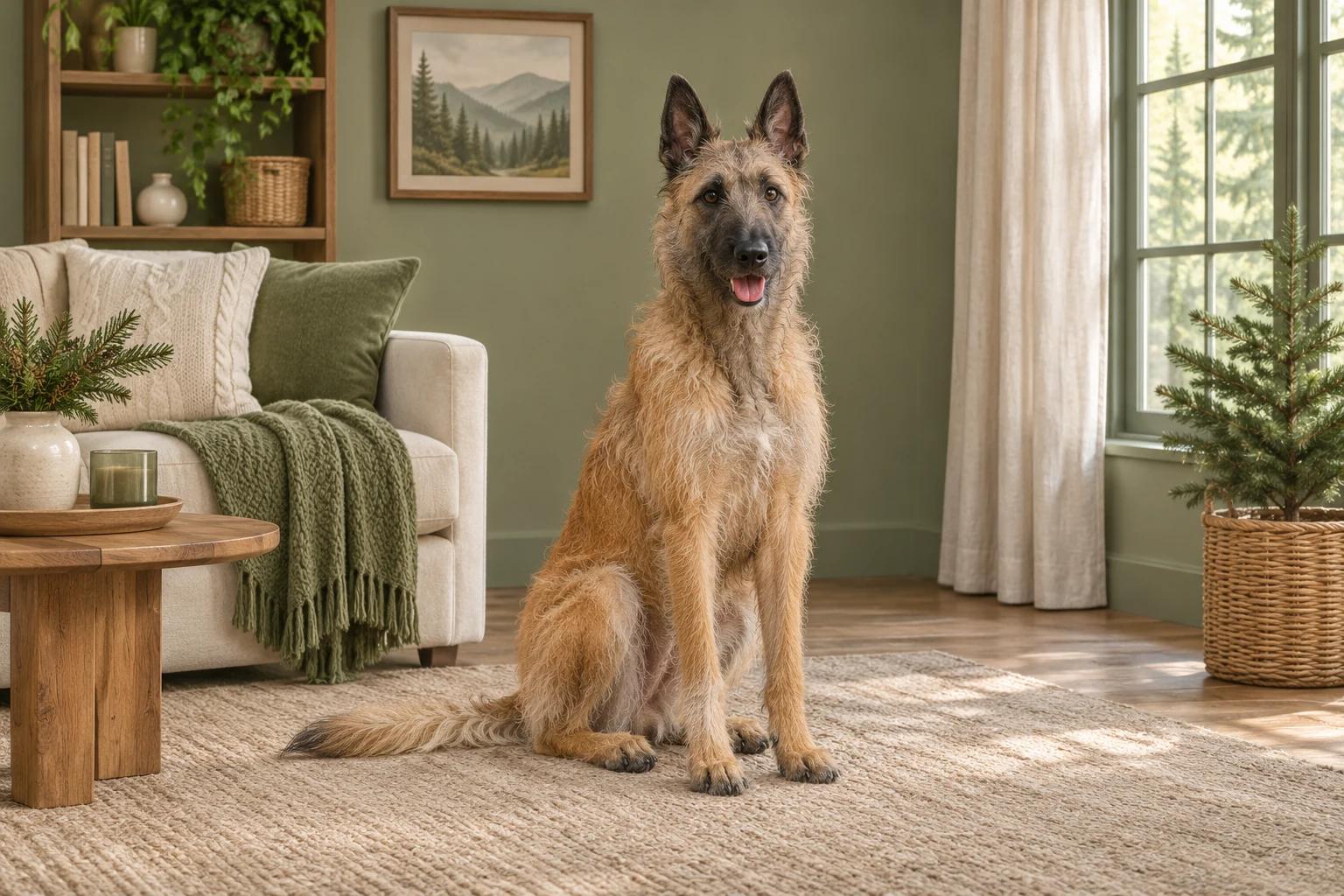
Belgian Laekenois vs Belgian Malinois often begins with the obvious contrast: a rough, tousled coat beside a short, smooth one. It is a useful visual distinction, but choosing a dog requires more than deciding which outline you prefer. Both profiles call for substantial involvement, and neither should be treated as a shortcut around the work of an active companion.
Start with the Belgian Laekenois profile and Belgian Malinois profile. Compare the individual dogs as carefully as the breed descriptions.
Belgian Laekenois vs Belgian Malinois: size and coat
The current My Breed Atlas records list matching height and weight ranges:
| Feature | Belgian Laekenois | Belgian Malinois |
|---|---|---|
| Male height | 24–26 inches | 24–26 inches |
| Female height | 22–24 inches | 22–24 inches |
| Adult weight | 44–66 pounds | Males 55–66; females 44–55 pounds |
| Coat length | Medium | Short |
| Coat type | Rough, wiry | Smooth |
The overlap matters. You cannot reliably choose the smaller individual merely by selecting a breed name. If size affects your transport or home arrangements, obtain measurements for an adult and discuss realistic expectations for a puppy.
Coat can also change how large a dog appears in a photograph. Compare measurements and actual handling requirements rather than estimating everything from the silhouette.
Related backgrounds do not make individuals interchangeable
The AKC’s Laekenois introduction places it among Belgium’s related native herding dogs and highlights differences in coat and regional origin. That provides context for their resemblance without settling every behavioral comparison.
The AKC’s Malinois introduction emphasizes work and close involvement with a person. Read that as a reason to investigate the daily commitment, not as a guarantee of performance or a requirement to copy specialized working roles.
If you want a companion with whom to train and enjoy appropriate activities, say that clearly when discussing either breed. Ask about dogs whose experience and needs fit those goals. Do not assume every individual within a breed comes with the same intensity, background, or preferences.
A compelling description is only the beginning. The next step is to learn about the actual dog and the ordinary life you would share.
Do not choose the rough coat as an easier-behavior promise
A Belgian Laekenois or Belgian Malinois decision should not rest on an unsupported assumption that the less familiar name is automatically easier. Ask for concrete information about activity, learning, handling, and time at home.
For each dog, request a description of a normal weekday. What is the main outing? What training is underway? What does the dog do when the caregiver’s attention is elsewhere? How are unfamiliar situations managed?
Compare answers using the same questions. Otherwise, you may hear about one dog on an unusually exciting day and the other while resting after an outing, then mistake the circumstances for a breed difference.
If possible, meet several adults. A single dog can help you understand that individual but should not carry the whole burden of representing a breed.
Coat care is a tangible difference to investigate
The Laekenois rough coat and the Malinois smooth coat call for an informed care plan. Both site profiles include regular brushing, but matching calendar language does not mean the tools, technique, or resulting appearance will be identical.
Ask a groomer to demonstrate appropriate maintenance on the actual coat. For a Laekenois, discuss preserving the rough appearance rather than assuming a tidy finish must look sleek. For a Malinois, discuss ordinary loose-hair management without treating the short coat as maintenance-free.
When budgeting, separate home time from professional services. A quoted appointment price does not describe everything you will do between visits. Ask what is included and what condition the groomer expects the coat to be in when you arrive.
The choice is partly about preference. If you enjoy the rough coat and its maintenance, that may be a positive part of the Laekenois decision. It should not distract from the rest of the dog’s needs.
Choose a learning path before choosing a performance goal
Both profiles make training and mental engagement important. Think about whether you want to attend lessons, practice between sessions, and work patiently on small details.
Observe an introductory class for an activity you are considering. Ask how the instructor assesses readiness and how beginners are supported. An appealing end result is not enough if the preparation does not fit your time or interests.
Keep household skills on the plan alongside any organized activity. Cooperative care, manageable movement, and a workable home routine remain useful regardless of whether you pursue a sport.
For physically demanding activities, talk with your veterinarian about suitability and use qualified instruction. Do not choose exercises solely because another dog of the same breed performs them in a video.
The difference that matters most may be your own arrangement
In a Belgian Malinois vs Belgian Laekenois comparison, your available support can affect the decision. Consider access to experienced instruction, appropriate activity locations, grooming help, and care when you are unavailable.
Write down what is already arranged and what is still only an intention. “I could find a trainer” is different from having spoken with someone who understands your goals. “We have a garden” is different from having a complete daily plan.
Use the dog breed quiz to organize those preferences. For a specific historical question, see what AKC recognition changed for the Laekenois in 2020. A recognition date does not rank the two dogs or establish suitability.
The difference between Belgian Laekenois and Belgian Malinois ownership is best explored through measurable care tasks and individual evidence. Choose neither on reputation alone. Choose the dog whose needs, history, and daily commitments make sense for the life you can consistently provide.
FAQ
Are Belgian Laekenois and Belgian Malinois the same size?
The site lists the same male and female height and weight ranges for both. Laekenois are listed at 44–66 pounds; Malinois at 55–66 for males and 44–55 for females. Individual size still matters.
What is the clearest visible difference?
The Laekenois has a medium-length rough, wiry coat, while the Malinois has a short, smooth coat. That distinction affects appearance and the maintenance conversation, but it does not provide a complete prediction of behavior.
Is the Laekenois an easier alternative to a Malinois?
Do not assume so from the name or coat. Both profiles call for substantial activity and involvement in learning. Ask about the individual dog’s routine, experience, and handling needs before deciding which fits your household.
How should I compare the two breeds fairly?
Use the same questions for both: adult measurements, coat maintenance, ordinary activity, current training, and care during absences. Meet individual adults where possible and compare actual responsibilities rather than reputation or a single impressive performance.
Sources behind this article
Article source checked: November 14, 2026. Source checked 2026-11-14
Keep reading

Affenpinscher vs Brussels Griffon: Everyday Differences
Read article →