Belgian Laekenois Temperament: An Engaged Working Companion
Explore Belgian Laekenois temperament through learning, activity, introductions, and the individual dog rather than its unusual coat.
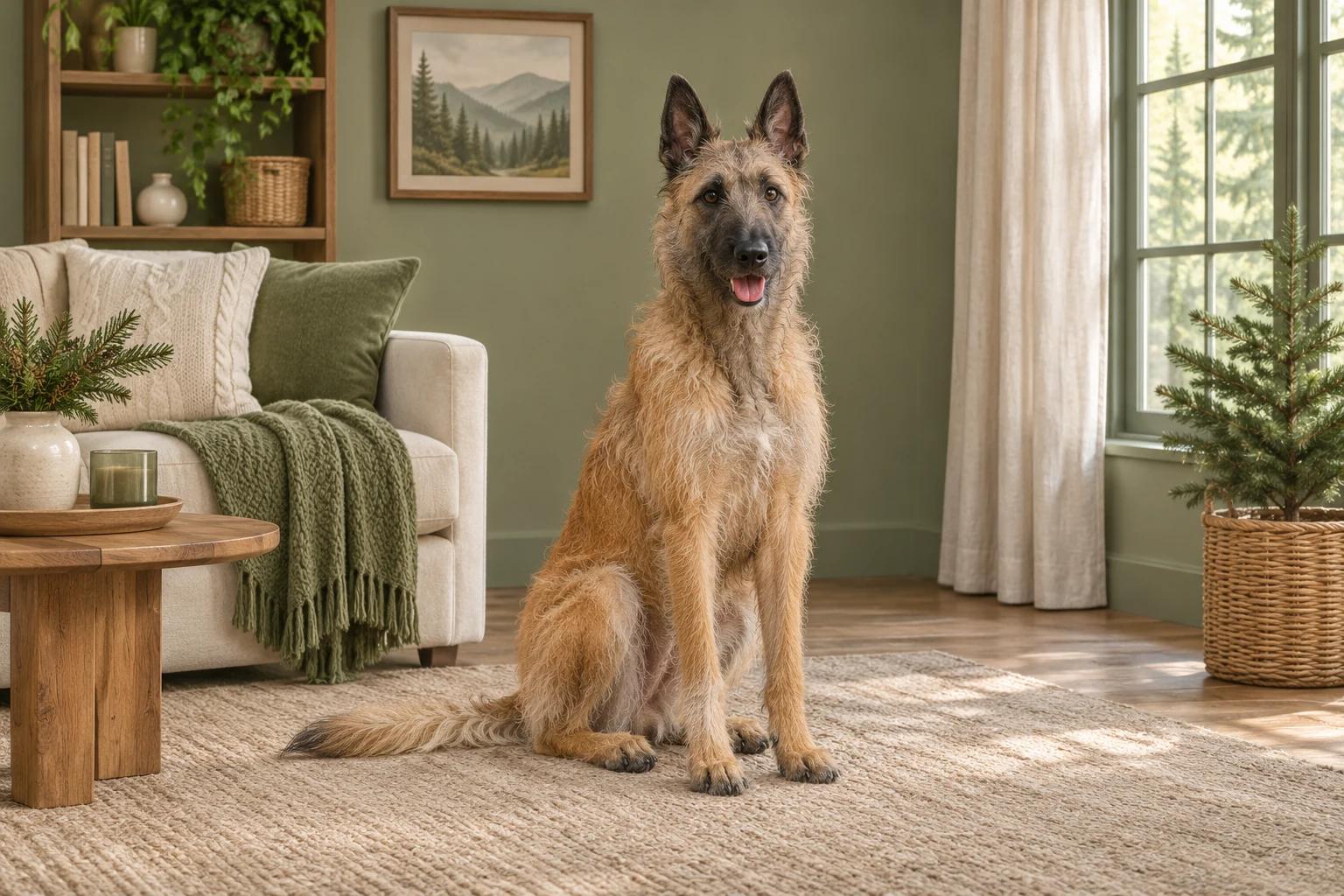
Belgian Laekenois temperament matters more to daily life than the unusual rough coat that first catches your eye. This is an active Belgian herding dog, and choosing one means thinking about shared work, learning, and how it will fit into an ordinary household. Appearance can start your interest, but it should not finish the decision.
The Belgian Laekenois profile describes substantial activity and mental engagement, with training or a suitable sport as part of the ownership picture. Individual dogs still differ in experience, preferences, and behavior.
Belgian Laekenois temperament: alertness with a purpose
The official AKC breed standard describes an alert, attentive dog and distinguishes vigilance around unfamiliar people from inappropriate fear or aggression. Those words describe the intended breed character; they do not certify the temperament of every individual.
When meeting a Laekenois, observe what the dog is doing rather than trying to provoke a demonstration. Ask the caregiver which parts of the setting are familiar and what the dog normally does in a comparable situation.
A calm-looking moment may tell you something useful, but it does not represent every part of the day. Equally, an excited greeting does not tell you that the dog cannot rest. Request examples from different ordinary situations before drawing a broad conclusion.
The most useful discussion connects behavior to context. What happened, what was around the dog, and how did the caregiver respond? That is more informative than a single label such as intense or easy.
Learning belongs in the relationship
The site describes the Laekenois as a responsive learner. That should encourage you to plan training, not assume the dog already knows what you want. An interest in learning needs someone willing to teach.
Think of a skill you would genuinely enjoy developing over time. It might be a beginner class, a suitable organized activity, or cooperative everyday handling. Ask what the first lessons involve and what practice is expected between them.
A useful test of fit is whether the preparation appeals to you. Watching a finished performance can be exciting; repeating a small foundation exercise may be less glamorous. The latter is often the part you will actually be doing.
Choose instruction that makes goals and methods understandable. You should know what the dog is being asked to learn and how to recognize progress. If an exercise is not working, a good discussion starts with adjusting the task, not blaming a breed label.
Belgian Laekenois personality beyond the activity session
Shared activity is important, but the dog also lives through cooking, work calls, visitors, and quiet evenings. Ask about these stretches of life as carefully as you ask about exercise.
Where does the dog rest? How does the caregiver organize time when attention is elsewhere? What expectations have already been taught? These questions help you plan the transition from an enjoyable outing to an ordinary home.
Avoid assuming that a garden solves the whole activity question. Space is useful only as part of an arrangement that includes appropriate engagement and management. Likewise, having a long list of possible hobbies is not the same as regularly doing one with the dog.
For physical activities, talk with your veterinarian about suitable demands and use qualified instruction where appropriate. The breed’s working identity is not a reason to copy advanced exercises without preparation.
Introductions should be organized, not improvised
Consider how often unfamiliar people enter your home and who would manage those arrivals. A household with frequent visitors needs a clear arrangement even when the dog is comfortable with its regular people.
Discuss introductions with the caregiver before meeting a dog. Follow the suggested setup, allow space, and do not insist that immediate physical contact is necessary for a successful first encounter.
If someone else will provide care, include that person in planning. A routine that works only when one owner is present may need additional preparation before travel or a schedule change. Make the arrangements before they are urgently needed.
For difficult interactions, seek qualified individual guidance. Do not use a visitor as an experiment or assume the dog’s breed history explains away behavior that needs attention.
Belgian Laekenois characteristics need individual evidence
The AKC’s breed introduction places the Laekenois among Belgium’s related native herding dogs while noting its distinctive coat. That relationship provides context, but it does not make every Belgian herding dog behaviorally interchangeable.
Ask about the particular dog’s experience with other dogs, travel, classes, and care. If you already have animals, describe your household accurately and discuss a suitable introduction plan. A general breed description cannot establish compatibility between particular animals.
Keep your questions tied to decisions. If you need a dog that can accompany you in certain settings, explain those settings. If your work schedule limits available time, describe the actual pattern. Being specific gives the caregiver a chance to identify mismatches before they become daily problems.
You are not asking someone to promise perfect behavior. You are asking for enough reliable information to make a sensible choice.
Turn interest into a realistic ownership plan
Before committing, write down the parts of Belgian Laekenois behavior and care you still need to understand. Separate unanswered questions from arrangements you have already made.
A short list might include access to instruction, a workable daily activity plan, care during absences, and help with the rough coat. Put a name or practical next step beside each item rather than leaving it as a general intention.
Use the dog breed quiz to compare your preferences. For registry history rather than personality, read what changed for the Laekenois with AKC recognition in 2020. Recognition and suitability are different questions.
If the attraction remains after considering the ordinary work, meet more adults and continue the conversation. A good decision is built from the individual dog and the life you can offer, not from rarity or a striking coat alone.
FAQ
What is Belgian Laekenois temperament like?
The breed is generally described as active, alert, and engaged in learning. These tendencies should guide planning, not replace an individual assessment. Ask about the dog’s experience, ordinary routine, and behavior in settings relevant to your home.
Is a Belgian Laekenois easy to train?
The site describes a responsive learner, but that does not mean training happens automatically. Clear goals, consistent practice, and suitable instruction still matter. Choose the breed because you welcome ongoing learning, not because you expect a finished dog.
Does a Belgian Laekenois need constant activity?
Plan substantial activity and mental engagement without treating every moment as a workout. The dog also needs an organized home routine and opportunities to rest. Discuss appropriate physical demands with your veterinarian and learning goals with an instructor.
How should I assess a particular Laekenois?
Observe ordinary interactions, ask for examples from daily life, and discuss the settings the dog would encounter with you. Meet adults where possible and separate breed descriptions from verified information about the individual.
Sources behind this article
- American Kennel Club: Belgian Laekenois Official Standard ↗
- American Kennel Club: Belgian Laekenois ↗
Article source checked: November 14, 2026. Source checked 2026-11-14
Keep reading

Airedale Terrier Temperament: What Everyday Life Can Feel Like
Read article →