Belgian Laekenois Grooming: Care for the Rough Coat
Plan Belgian Laekenois grooming around its natural rough coat, regular brushing, suitable tools, and clear instructions for professional care.
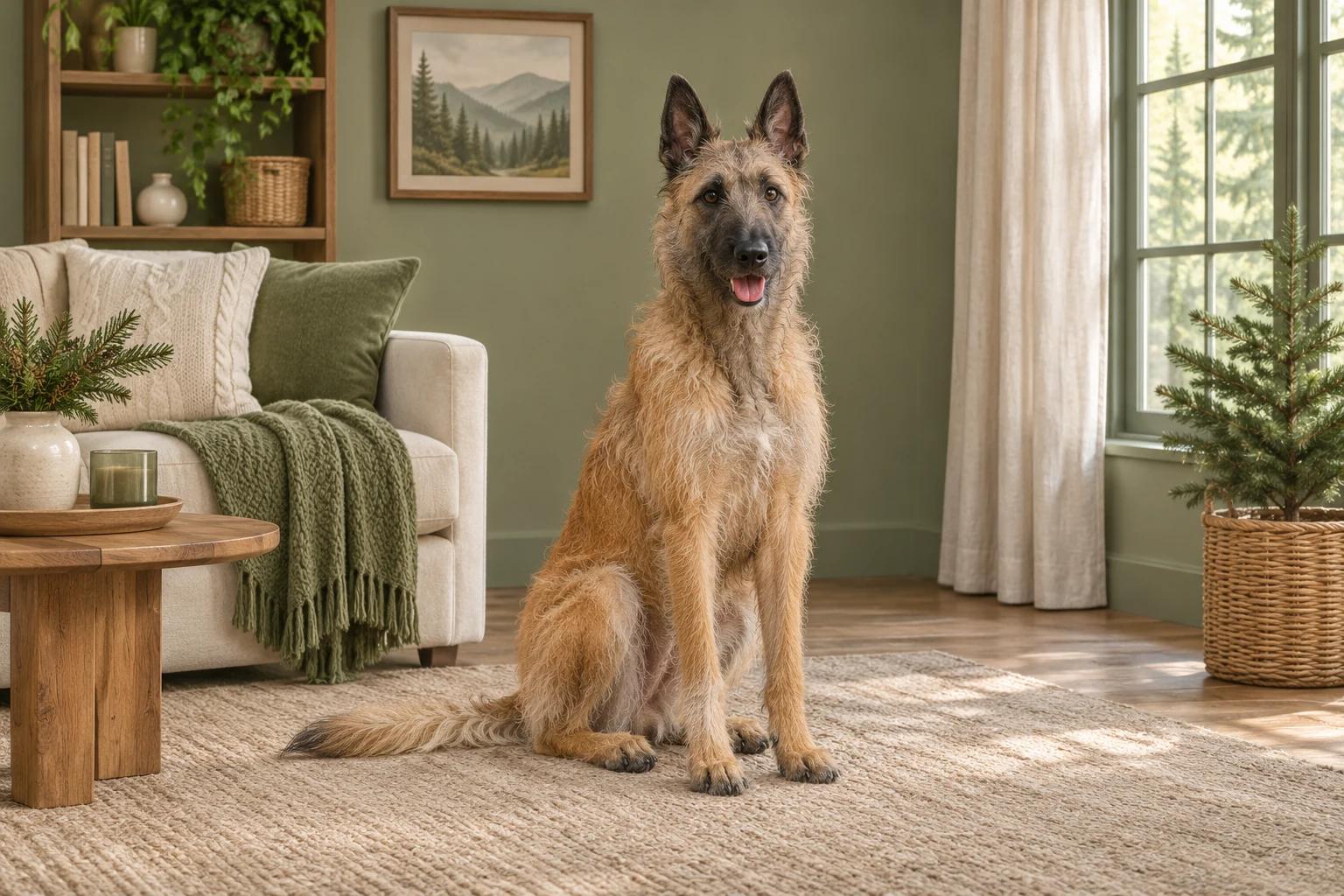
Belgian Laekenois grooming should support the breed’s naturally rough appearance rather than turn it into a smooth-coated dog. The tousled outline is part of the look, but it is not an excuse to skip maintenance. The practical aim is a coat you can check and care for consistently, with professional guidance where needed.
The Belgian Laekenois profile describes its rough coat and current care plan: Brush weekly ordinarily, with two to four sessions a week during heavy spring or fall shedding as the coat needs. Those are useful starting expectations for an ordinary home-care plan.
Belgian Laekenois grooming begins with understanding the texture
The official AKC standard describes a coarse, rough, naturally tousled coat with facial furnishings. That explains why a carefully maintained Laekenois need not have the sleek outline you might expect from another dog.
Do not use smoothness as your sole test of whether grooming is complete. Ask a breed-experienced groomer to show you what this coat should feel like and how to check the work you do at home.
Bring questions about the actual dog, not only about the breed in general. Which areas need attention? Which tools are suitable? How should you know when to stop? A practical demonstration can answer details that a photograph cannot.
The AKC breed introduction identifies coat texture and length as distinguishing features among the related Belgian dogs. A care routine for one of those coats should not automatically be copied onto another.
Make Belgian Laekenois brushing a repeatable task
Choose a regular place in the week for brushing rather than waiting until the coat looks untidy. With a naturally tousled dog, appearance alone is not a useful reminder of when maintenance was last done.
Have the tools your groomer recommends ready before starting. Ask for a demonstration of how to work through an area and how to check that you have reached the parts that need attention. Do not assume harder pressure is the answer when a tool catches.
Keep sessions manageable for both of you. If the dog struggles with handling, ask for help teaching cooperation rather than trying to finish at any cost. Tell the groomer what happened and where the difficulty arose.
A short record can help when more than one person shares care. Note when brushing was completed and any area you want assessed. The aim is not paperwork; it is avoiding the assumption that someone else already dealt with a problem.
Distinguish maintenance from a makeover
If you like the rough appearance, say so clearly when booking a professional appointment. Explain that you want to preserve the breed’s character while maintaining the individual coat.
Ask what the proposed service involves before tools are used. Do not assume that terms such as tidy-up or full groom mean the same thing to everyone. A photograph of your preferred general appearance can help start the conversation, but it should not replace assessment of the current coat.
Belgian Laekenois coat care after ordinary outings
An active dog’s coat-care schedule needs to fit its actual outings. Plan enough time afterward to look over the dog and address ordinary cleanup as advised by your groomer. A rushed return home can make it easy to postpone care repeatedly.
Keep the necessary supplies where you will use them. If a towel and the appropriate grooming tools are difficult to find, the task becomes more inconvenient than it needs to be. Organizing the space is a simple way to make routine maintenance easier to keep up.
If you notice something caught in the coat that does not come away easily, stop and ask for appropriate help. Avoid pulling at an unfamiliar object or using scissors close to skin because you are in a hurry.
If there is discomfort, a skin change, or an unusual change in hair loss, talk with your veterinarian. Ordinary coat care and assessment of a medical concern are different tasks.
Ask before using specialist techniques
The words rough coat can lead to a long shopping list of tools and techniques. Resist buying everything before you know what the particular dog needs and what you have been taught to do.
Ask the groomer which tasks are suitable for you to learn and which should remain professional work. Request an explanation of why a technique is proposed and what result it is intended to achieve. You should understand the purpose rather than simply recognize the name.
This is especially useful if advice from different people does not match. Instead of choosing the most confident-sounding instruction, ask someone experienced to assess the dog’s actual coat and show you a coherent plan.
Avoid treating a breed standard as a step-by-step grooming manual. It describes an intended appearance; it does not inspect your dog or teach you how to use a particular tool.
Build a realistic care arrangement
When comparing grooming services, ask what is included and what home maintenance is expected between visits. Discuss how coat condition affects the appointment and when a change to the proposed service would be raised with you.
Include grooming instructions in the information for anyone caring for the dog while you are away. Name the tools and the professional contact, and make clear what the caregiver should not attempt without guidance.
The Belgian Laekenois rough coat can be part of the breed’s appeal, but enjoying the appearance is different from wanting the responsibility. Think about the maintenance alongside activity and training before choosing the dog.
The dog breed quiz can help organize those preferences. For a separate aspect of the breed, read the Laekenois recognition-history article. Grooming is an everyday responsibility, while a registry milestone explains a different part of the story.
A workable plan is straightforward: know the coat you are maintaining, learn the tools you actually need, keep the ordinary schedule, and ask for help when a task is outside your experience. There is no need to transform a naturally rough dog into a different silhouette.
FAQ
How often should I brush a Belgian Laekenois?
The current My Breed Atlas care recommendation is: Brush weekly ordinarily, with two to four sessions a week during heavy spring or fall shedding as the coat needs. Ask a breed-experienced groomer how the individual coat and daily activities affect maintenance, and seek guidance when an area becomes difficult to manage.
Should a Belgian Laekenois coat look smooth?
No. The breed’s rough, tousled appearance is a defining feature. Smoothness alone is not a useful measure of grooming quality. Ask someone experienced to show you what a maintained coat should feel like and how to check your work.
Can I use the same grooming routine as a Malinois?
Do not automatically copy it. The Laekenois and Malinois have different coat textures and lengths. Choose tools and techniques after assessment of the actual coat rather than assuming related breeds need identical maintenance.
What should I ask a groomer before an appointment?
Ask what the proposed service includes, how it will preserve your preferred appearance, what maintenance is needed between visits, and which techniques you can learn at home. Discuss changes before they are made rather than relying on vague service names.
Sources behind this article
- American Kennel Club: Belgian Laekenois Official Standard ↗
- American Kennel Club: Belgian Laekenois ↗
Article source checked: November 14, 2026. Source checked 2026-11-14
Keep reading

Affenpinscher Grooming: A Practical Coat-Care Routine
Read article →