Basenji vs Shiba Inu: similar size, different daily details
Compare Basenji and Shiba Inu size, coat care, activity and learning style to find the everyday differences that matter for your household.
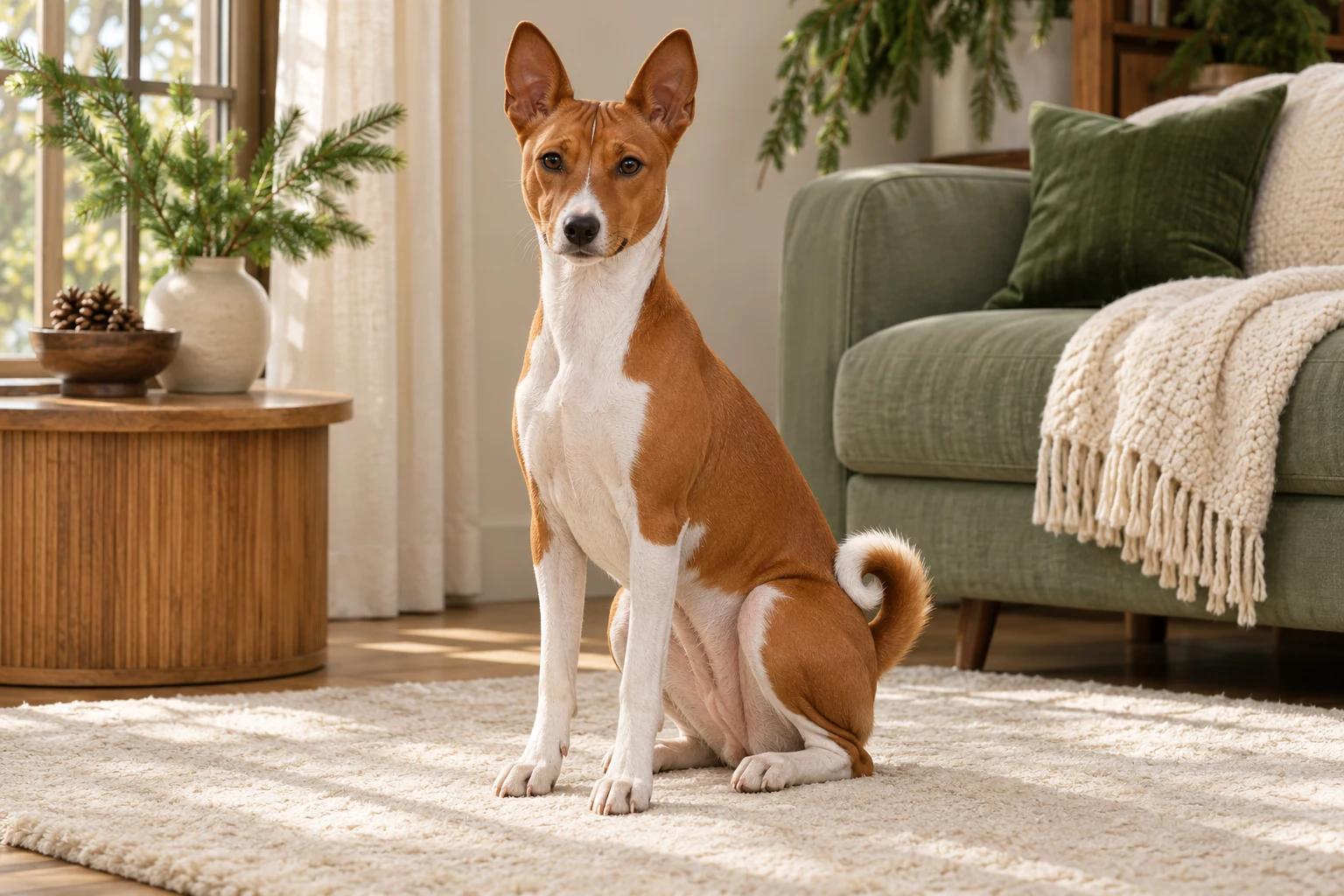
A Basenji vs Shiba Inu comparison often starts with upright ears, a curled tail and a compact outline. Those similarities make them easy to place on the same shortlist. They do not make the breeds interchangeable once you consider coat care, activity and the individual dog's habits.
Both deserve a closer look than “small and independent.” Start with the Basenji profile and Shiba Inu profile, then use the practical differences below to organize what you want to learn when meeting dogs.
Basenji vs Shiba Inu at a glance
These figures follow the current My Breed Atlas profiles. They describe breed reference sizes, not a prediction for a particular puppy.
| Detail | Basenji | Shiba Inu |
|---|---|---|
| Male height | 17 inches | 14.5–16.5 inches |
| Female height | 16 inches | 13.5–15.5 inches |
| Male weight | 22–26 pounds | 20–24 pounds |
| Female weight | 20–24 pounds | 15–20 pounds |
| Coat | Short, smooth | Short, double |
| Activity profile | Higher activity tendency | Moderate activity tendency |
| Learning profile | Independent approach | Independent approach |
The weights are close enough that a weight-only search may bring both breeds into view. Height and coat create different outlines, however. Avoid choosing equipment or judging a dog's condition from how fluffy or fine its silhouette appears.
If you already own a carrier, bed or travel setup, measure it rather than assuming that either breed will fit because its weight sounds familiar. For an adult dog, use that individual's measurements. For a puppy, allow for growth without treating a breed figure as an exact destination.
Different histories behind the resemblance
The American Kennel Club describes the Basenji as a hunting dog from Africa and emphasizes the commitment involved in its exercise and training. The AKC's Shiba Inu overview identifies a Japanese breed with a hunting background.
Those origins are useful context, not a complete explanation of a dog's behavior. They certainly do not tell you whether two particular dogs will share a home comfortably. Ask about the animals you are considering rather than using a historical job as a personality test.
When searching Shiba Inu vs Basenji, look beyond photographs that emphasize the same ears and tail. The practical comparison is between the experiences each dog brings, the care it needs, and the activities you can provide.
Coat care is a more visible difference
The Basenji's smooth coat and the Shiba's double coat are an important difference between Basenji and Shiba Inu ownership. My Breed Atlas places the Basenji toward the lower end for shedding and records regular shedding for the Shiba.
That distinction can affect where you notice loose hair and how you organize cleaning. Neither coat means skipping routine care. Keep appropriate tools accessible, and learn what your individual dog's coat looks like through the year rather than relying on its appearance during one visit.
A useful comparison is to ask each caregiver to show you the normal grooming setup. What tool do they use? Where do they groom? How does the dog respond? Seeing the process gives you more information than asking whether grooming is “easy.”
Keep appearance preferences separate from maintenance preferences. You may love the fuller outline of a Shiba but prefer a simpler coat-care routine. That is a real tradeoff to consider, not a reason to describe one breed as better.
Compare the activities you would actually share
Both profiles include mental engagement as part of the ownership picture. The Basenji has the higher activity rating, although the site's everyday notes use about an hour of active time as a broad reference for both. These are planning descriptions, not identical exercise prescriptions.
Think about the activities available near you. Can you provide varied controlled walks? Is there suitable space for learning? Are outings enjoyable for the individual dog, or does the proposed route constantly place it in situations it finds difficult?
A household with limited time should not assume that the lower female Shiba reference range means less need for involvement. Likewise, a household that enjoys outdoor activity should not assume that every Basenji will enjoy its preferred sport.
The Basenji Club of America highlights chase interests and the importance of leash control or secure fencing. Discuss containment and outdoor habits for any dog you consider. An attractive nearby open space is not automatically a suitable place for unrestricted activity.
Independence changes how you teach, not whether you teach
Both site profiles describe an independent approach to learning. That makes a useful starting point for questions about engagement. What rewards interest this dog? Which skills does it already understand? Where do those skills become harder?
Avoid turning the comparison into a contest over which breed is more stubborn. That label tells you little about how to help a dog learn. A missed cue might involve distraction, unclear practice or a task the dog has not yet understood in that setting.
When meeting an adult, ask to see an ordinary skill rather than requesting an impressive performance. Watching the caregiver prepare for a walk or invite the dog closer may reveal more about everyday communication than a carefully rehearsed trick.
For puppies, ask how early learning and handling have been introduced. You are gathering a starting point for future work, not seeking a guarantee of an effortless adult companion.
Choosing Basenji or Shiba Inu for your household
Make a shortlist of the differences that genuinely affect your decision. Coat and cleaning, available activity time, your interest in training, and the specific dog's previous experiences are useful categories.
Then identify what you still need to observe. For example, you may understand the reference size but have never watched either breed during a normal outing. Arrange a meaningful meeting rather than deciding entirely from online descriptions.
Do not use the Basenji's famous nickname to settle the noise question. Our existing article explains why barkless does not mean a silent home. Ask about each individual dog's communication without making a guaranteed-quiet choice between breeds.
The dog match quiz can help organize your priorities. Use its results to guide further investigation, not to overrule what you learn about a particular dog. A good comparison ends with better questions and a clearer understanding of the commitment.
FAQ
Is a Basenji bigger than a Shiba Inu?
The site's Basenji height figures are slightly taller than its Shiba Inu ranges. The male weight ranges overlap: 22–26 pounds for the Basenji and 20–24 for the Shiba. Individual size still matters when planning equipment and travel.
Which sheds more, Basenji or Shiba Inu?
My Breed Atlas records a lower shedding tendency for the Basenji and regular shedding for the Shiba Inu. The Shiba has a double coat, while the Basenji has a smooth coat. Both still need routine care.
Is either breed an easy training choice?
Both profiles describe an independent learning style. Clear lessons, appropriate rewards and consistent practice matter for either breed. Ask about the individual dog's existing skills instead of expecting easy or difficult training solely from its breed.
Should I choose based on which breed is quieter?
Do not make a quiet-home guarantee from a breed label. Ask about the individual dog's sounds, triggers and daily behavior. The Basenji's barkless nickname does not mean silence, and a brief quiet visit does not predict every situation.
Sources behind this article
- American Kennel Club: Basenji ↗
- American Kennel Club: Shiba Inu ↗
- Basenji Club of America: The Basenji ↗
Article source checked: November 14, 2026. Source checked 2026-11-14
Keep reading

Affenpinscher vs Brussels Griffon: Everyday Differences
Read article →