Barbado da Terceira vs Portuguese Water Dog
Compare these Portuguese breeds through working background, size, grooming, activity, and the individual observations that guide a choice.
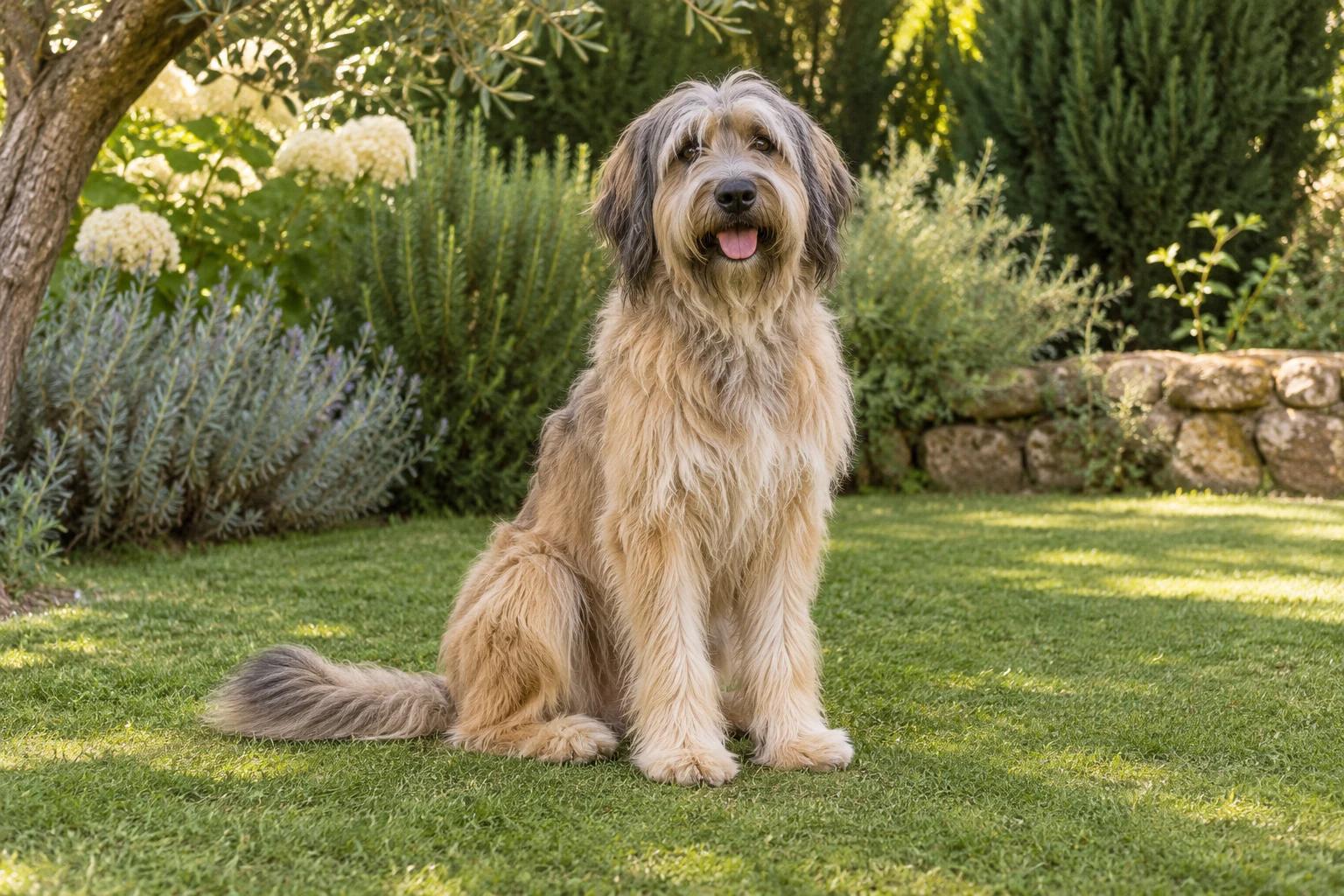
Barbado da Terceira vs Portuguese Water Dog is a choice between two distinct working backgrounds, not two versions of the same shaggy companion. Both can attract people who enjoy an active dog and an involved relationship. The useful comparison asks how that involvement will work in your home, from outings and learning to coat care and visitors.
Do not let a shared country of origin settle the question. Compare the specific dogs available to you, and keep breed tendencies separate from promises about an individual.
Barbado da Terceira vs Portuguese Water Dog: different foundations
The AKC Barbado da Terceira introduction identifies a herding breed. The AKC Portuguese Water Dog introduction describes a fisherman's working helper. Those roles are useful background, but a modern companion still needs a routine built around its own experience and circumstances.
You do not need livestock for one or a boat for the other simply to discuss a suitable home. You do need to take activity and learning seriously. Ask how the individual dog currently spends its day and which activities are familiar, rather than assuming the historical job provides a ready-made schedule.
Compare the current site records
Our Barbado da Terceira profile and Portuguese Water Dog profile list these adult reference measurements:
| Measurement | Barbado da Terceira | Portuguese Water Dog |
|---|---|---|
| Male height | 20.5–22 inches | 20–23 inches |
| Female height | 19–21 inches | 17–21 inches |
| Male weight | 55–60 pounds | 42–55 pounds |
| Female weight | 46–57 pounds | 35–49 pounds |
Some height and weight ranges overlap. Use the figures to plan, then measure the individual for equipment and transport. Neither breed name gives you an automatic harness or carrier size.
A busy partnership needs more than a busy weekend
When comparing Portuguese Water Dog vs Barbado da Terceira, consider whether your interest in training is ongoing or occasional. Both site profiles emphasize activity and mental engagement. A single weekly outing does not describe the rest of the dog's life.
Think about the skills you would enjoy teaching and the activities you can consistently provide. If a sport appeals to you, investigate beginner sessions, travel, and the home practice involved. If your preference is varied walks and learning games, be specific about when those will happen.
Ask a caregiver to describe what happens after excitement, too. How does the dog transition back indoors? Which rest arrangements are familiar? A routine that includes clear endings can be more manageable than one in which activity simply escalates until everyone is tired.
Grooming is a practical difference worth exploring
The site describes a usual brushing plan of once or twice a week for the Barbado and frequent coat care for the Portuguese Water Dog. That makes grooming time a useful discussion point, but not a reason to assume every individual coat will follow an identical schedule.
Ask a breed-experienced groomer to explain the maintenance plan for each dog you are seriously considering. Discuss home work, professional appointments, preferred length, and the care required after outdoor activities. Request demonstrations of unfamiliar techniques rather than collecting tools without a plan.
A shorter haircut and a different coat texture are not the same thing. Make sure the conversation distinguishes what the dog grows from how that coat is maintained. You want to understand the ongoing work, not simply choose a finished photograph.
Consider your own tolerance for the routine
Some owners enjoy brushing as a regular shared activity. Others prefer to budget for more professional assistance. Be honest about which arrangement is realistic for you, including what happens during travel or a busy period.
The difference between Barbado da Terceira and Portuguese Water Dog care may become clearer in this discussion than it does in a comparison of general adjectives. Practical maintenance has a place in your decision alongside appearance.
Ask how introductions actually work
The site's Barbado profile calls for patient introductions to unfamiliar people, while the Portuguese Water Dog profile describes a more sociable tendency. Neither establishes how a particular dog will respond to your visitors, other animals, or household traffic.
Ask for examples rather than a label. What happened when the most recent visitor arrived? Was the dog in a familiar room? How did the caregiver organize the meeting? Which situations have not been tried?
If your home has frequent arrivals, consider how you can provide space and a predictable routine. A dog does not need to greet every person immediately. Conversely, an enthusiastic greeting still needs a manageable arrangement. Different starting points can require different practical support.
Choose around evidence, not novelty
If you are deciding on a Barbado da Terceira or Portuguese Water Dog, compare the information available about the individual dogs. Put measured facts, observed behavior, and expectations in separate categories. That helps prevent an attractive description from filling gaps that have not actually been answered.
Meet adults where possible and ask about ordinary handling, time alone, transport, and changes to routine. If you are considering a puppy, ask about the current experiences and how those can continue gradually in your home. If you are considering an adult, ask which observations came from home life and which from another setting.
Our related article on Barbado da Terceira population counts explains why a rarity claim needs context. Rarity itself is not a reason to choose a breed or a prediction of the experience ahead.
Use the dog breed quiz to organize your preferences, then test those preferences against practical information. The better choice is the dog whose care and routine you are prepared to support, not the breed that wins the most rows of a table.
FAQ
Are Barbado da Terceira and Portuguese Water Dog the same breed?
No. They are distinct Portuguese breeds with different working backgrounds: cattle herding for the Barbado and work alongside fishermen for the Portuguese Water Dog. Their appearance and size can overlap, so compare their separate records and the individual dogs involved.
Which breed needs more grooming?
The site describes more frequent coat care for the Portuguese Water Dog and a usual once- or twice-weekly brushing plan for the Barbado. The individual coat and chosen maintenance style still matter. Ask a knowledgeable groomer for a practical plan before deciding.
Which is the better choice for an active home?
Both deserve consideration of activity, learning, and household routines. Compare actual dogs, grooming commitments, introductions, and backup care rather than assuming activity alone establishes a match. Your ability to maintain the everyday arrangement matters more than a general description of being active.
Sources behind this article
Article source checked: November 14, 2026. Source checked 2026-11-14
Keep reading

Affenpinscher vs Brussels Griffon: Everyday Differences
Read article →