Barbado da Terceira Temperament: An Active Partnership
Explore Barbado da Terceira temperament through learning, shared activity, introductions, and everyday expectations for this herding breed.
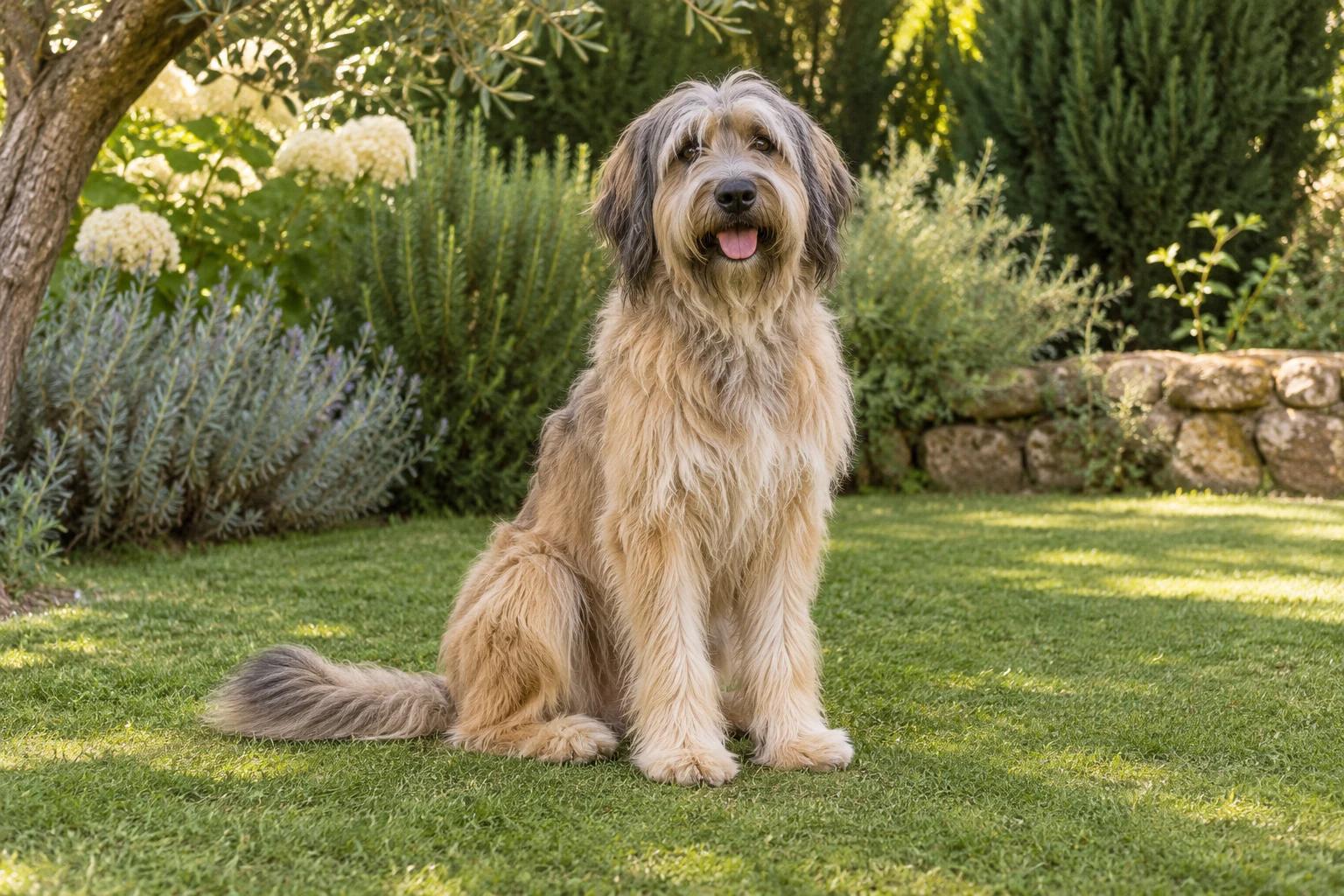
Barbado da Terceira temperament is best approached as a partnership with an active herding dog. The shaggy appearance may be what catches your attention, but the important questions concern participation: how much you enjoy teaching, how you organize activity, and what role a dog can realistically have in your daily life.
A breed description cannot tell you everything about a puppy or adult. It can, however, help you ask more useful questions and avoid choosing mainly on appearance or novelty.
Barbado da Terceira temperament: a working starting point
The American Kennel Club describes a medium-sized herder with an athletic, sensitive, and responsive character. Portugal's DGAV breed account places the breed's work in the context of moving cattle on Terceira. That background helps explain why activity and learning deserve more attention than the dog's appealing coat.
Our Barbado da Terceira profile emphasizes substantial activity and mental engagement. Before choosing one, identify the parts of your week when you can genuinely work with a dog. Do not count time when you are technically home but unavailable to interact.
Think in terms of participation
A dog can accompany some parts of your life without being involved in everything. Decide which activities you want to share and which require the dog to rest elsewhere. Perhaps you enjoy learning a sport, practicing short skills, or taking varied outings. Those are more concrete commitments than simply wanting an intelligent companion.
Also plan for the uninteresting days. Work deadlines, poor weather, and changes in family schedules happen. A realistic arrangement includes alternatives rather than depending on a single favorite outing taking place every day.
Intelligence is not a finished education
Barbado da Terceira personality is often discussed alongside learning ability. That should encourage you to teach clearly, not expect a dog to infer household rules. A quick learner can learn patterns you did not intend as readily as the ones you carefully practice.
Look at what happens repeatedly. If the dog receives attention only after becoming insistent, that sequence is worth noticing. If calm waiting already occurs in one setting, consider what makes that setting easier. You can then build on something observable rather than making every interaction a contest of wills.
Keep lessons tied to a useful outcome. Practicing moving onto a mat, returning a toy, or following you away from a busy area gives both of you a clearer task than a broad instruction to behave. Reward-based training also gives you a way to show which part of the response you want repeated.
Introductions deserve a plan
The site's profile notes that unfamiliar people may require patient introductions. A dog can be closely involved with its household without immediately welcoming everyone who enters it. Do not confuse those two situations when asking about Barbado da Terceira characteristics.
Arrange the entrance so the dog does not have to manage a crowd at close range. Let guests settle before expecting interaction, and explain what you want them to do. A comfortable resting area away from the doorway can give you more options during arrivals.
Ask caregivers about actual visits: who arrived, where the dog was, and how the interaction developed. That information is more useful than a one-word social rating. If a particular behavior worries you, seek individualized help rather than trying to explain it away as normal for the breed.
Make room for shared work and quiet time
An active routine should not mean constant stimulation. Think about the transitions between activities: finishing play, returning from an outing, and settling while people prepare food or work. These are useful skills in their own right.
You might use a consistent place for putting toys away and a familiar resting area afterward. The exact arrangement matters less than whether it is understandable and repeatable. If everyone handles the transition differently, it can be difficult to know what the dog has actually learned.
Avoid judging success only by how exhausted the dog looks. A sustainable partnership includes appropriate activity and the ability to spend parts of the day doing less. For questions about suitable exercise for the individual, talk with your veterinarian.
Give learning a place in the calendar
If you want to try a sport, investigate introductory classes before assuming it will fill the whole activity plan. Ask about prerequisites, equipment, travel, and how beginners are supported. A weekly class can be enjoyable without replacing the everyday work at home.
Keep your expectations flexible enough to follow the dog's interests. You may discover that one activity suits the pair of you better than the one you initially imagined. The breed name does not obligate an individual to enjoy every possible pursuit.
Observe behavior in context
Barbado da Terceira behavior is easier to understand when you record situations instead of labels. Note what happened before a response, who was present, and what changed afterward. A dog that struggles with one kind of arrival may be comfortable with a different arrangement.
When meeting adults, ask to hear about ordinary life rather than only achievements. How does the dog spend a quiet evening? What care tasks are familiar? What happens when plans change? Which experiences have not been tested?
For a puppy, ask how the current routine can continue gradually in your home. For an adult, distinguish observations made in a household from those made elsewhere. Neither age comes with a complete prediction, but accurate context makes preparation more useful.
Our related article on reading Barbado da Terceira population counts addresses rarity as a separate topic. A small population does not tell you whether a dog fits your life. Use the dog breed quiz to organize your preferences, then compare them with the needs and experience of the individual you are considering.
FAQ
What is Barbado da Terceira temperament like?
The Barbado da Terceira is an active herding breed described as responsive and sensitive. My Breed Atlas emphasizes activity, learning, and household interaction. Individuals vary, so ask about actual routines, introductions, and care rather than assuming every dog will behave the same way.
Does intelligence make a Barbado easy to live with?
Learning ability does not replace teaching or a suitable routine. An intelligent dog still needs clear expectations, rewarding practice, and an appropriate activity plan. Decide whether you enjoy that ongoing involvement before choosing primarily on a reputation for being smart.
What should I ask before bringing one home?
Ask about everyday activity, responses to visitors, familiar handling, other-animal experience, and what happens when routines change. Request examples and distinguish observations from expectations. Those details help you plan for the individual rather than relying only on a breed description.
Sources behind this article
Article source checked: November 14, 2026. Source checked 2026-11-14
Keep reading

Airedale Terrier Temperament: What Everyday Life Can Feel Like
Read article →