Azawakh vs Sloughi: Comparing Two Distinct Sighthounds
Compare Azawakh and Sloughi size, activity, coat care, and introductions without treating two distinct sighthounds as interchangeable.
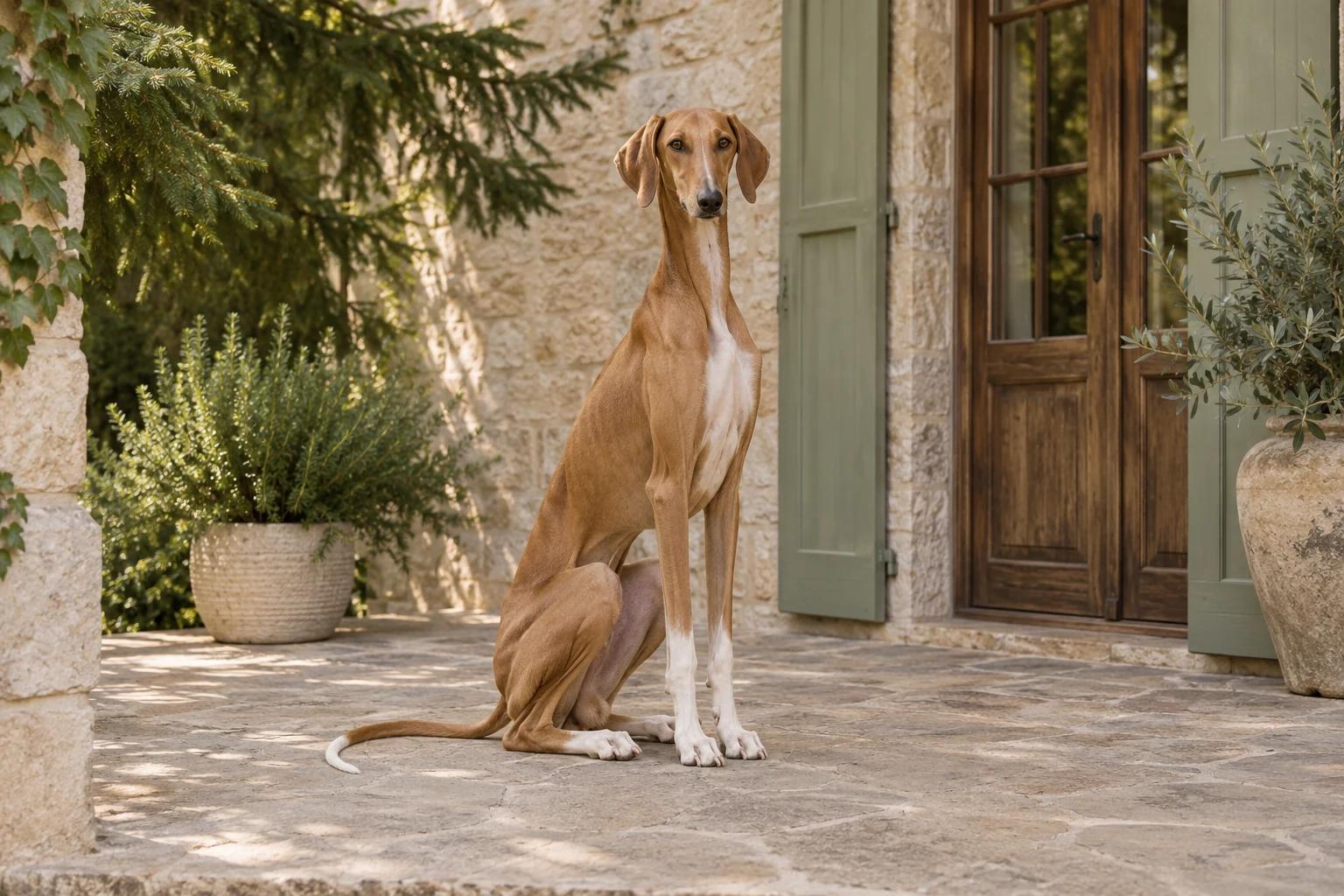
Azawakh vs Sloughi can look like a close comparison at first: tall, smooth-coated hounds with restrained expressions and an athletic outline. But choosing between them should involve more than deciding which photograph you prefer. Your daily routine, expectations around visitors, and access to suitable activity all belong in the conversation.
Both are distinct breeds, and individual dogs within either breed differ. The useful comparison is not a ranking of elegance, affection, or ability. It is a way to identify the questions you need answered before bringing a particular dog home.
Azawakh vs Sloughi: the practical overview
The AKC Azawakh introduction identifies a West African sighthound with a fine, short coat. The AKC Sloughi introduction describes a coursing hound that may be reserved with strangers. These brief descriptions establish context, but neither supplies a complete ownership plan.
Our Azawakh profile and Sloughi profile give the following adult reference figures:
| Measurement | Azawakh | Sloughi |
|---|---|---|
| Male height | 25–29 inches | 26–29 inches |
| Female height | 23.5–27.5 inches | 24–27 inches |
| Weight | 44–55 pounds for males; 33–44 for females | 44–62 pounds overall |
| Coat description | Short and smooth | Short and smooth |
The measurements overlap. They are useful for planning space and equipment, not for declaring that every member of one breed will be smaller or easier to handle.
Start with the room, the car, and the route
For a Sloughi vs Azawakh decision, picture the dog in the places you use most often. Where can it stretch out without blocking a busy walkway? How will it travel? Where will you walk when the usual route is crowded or unavailable?
A tall dog with a relatively light build still needs appropriate space and fitted equipment. Measure the individual for any carrier, restraint, or wearable item. Do not select a product solely because a retailer groups both breeds under the same general size label.
Try walking through the transport routine without a dog first. Locate the equipment, check where it will be stored, and work out how doors and gates will be managed. This exposes practical gaps more clearly than comparing two weight ranges on a screen.
Include everyone who will provide care
If another person will walk or care for the dog, involve them in the planning. They need to understand the equipment and the arrangements, not simply know the breed name. Ask whether your usual backup care can accommodate the particular dog you are considering.
A suitable plan should work when the main caregiver is unavailable. That does not require every dog to enjoy every setting; it requires a realistic alternative that fits the individual.
Activity is a meaningful point of comparison
The site's descriptive notes give the Sloughi a higher daily activity picture than the Azawakh. Treat that as a reason to look closely at your schedule, not a promise that one dog will always ask for less. Ask the current caregiver to describe actual outings, opportunities to move, learning activities, and rest.
If you are interested in a sighthound sport, speak with the relevant club about introductory opportunities and suitability for the individual. The American Azawakh Association notes participation in several activities, including lure coursing and obedience. Participation by some dogs does not establish a requirement or predict your dog's interest.
Keep activity plans separate from off-leash assumptions. Plan secure spaces and appropriate equipment, and follow local rules. A quiet moment on a walk does not prove that a dog will ignore every moving distraction later.
Introductions should not become a contest
When choosing an Azawakh or Sloughi, ask how the particular dog behaves with familiar people and new arrivals. Both site profiles call for patient introductions. Neither comparison should be reduced to which breed loves strangers more.
A useful meeting allows observation without pressure. Sit or stand where the caregiver suggests, avoid crowding the dog, and notice how its behavior changes as the situation becomes familiar. Ask what is typical rather than drawing a conclusion from one brief encounter.
At home, the entrance arrangement can matter. A resting place away from the busiest doorway may make visits easier to organize. Decide who will manage arrivals and how visitors will know what to do. Clear instructions are more useful than hoping every guest reads the dog in the same way.
Similar coats do not make the dogs interchangeable
Both profiles describe short, smooth coats, but that does not erase the rest of care. Ask about the individual grooming routine and which handling tasks are familiar. Check how equipment sits and which professional help you may need for routine care.
Avoid using coat length as a shortcut to an overall maintenance rating. Time spent walking, teaching, arranging care, and preparing for travel can matter more than the number of minutes spent brushing. Compare the whole commitment, not only the most visible feature.
If health or physical comfort raises a question, talk with your veterinarian. Do not judge an individual dog's condition from the slender outline associated with its breed, or use another dog's photograph as a feeding target.
Make your final comparison specific
The difference between Azawakh and Sloughi ownership becomes clearer when you replace broad adjectives with examples. Ask about a recent visitor, a typical walk, a quiet evening, and a disruption to the routine. Write down what was observed rather than translating every answer into better or worse.
Then compare those examples with your non-negotiables. Perhaps you need a particular transport arrangement, have frequent visitors, or depend on shared care. A dog that fits those practical requirements may be a more sensible choice than one that matches your favorite silhouette.
Our existing article on Azawakh movement and exaggerated reach explains a separate breed-standard topic. For choosing a companion, use the dog breed quiz to organize preferences and follow it with conversations about individual dogs. A comparison should help you ask better questions, not make the decision before you meet them.
FAQ
Are Azawakhs and Sloughis the same breed?
No. Azawakh and Sloughi are distinct sighthound breeds. Their tall, smooth-coated appearance can create a similar first impression, but a useful comparison considers their separate breed records and the experiences of the individual dogs being considered.
Which breed is larger?
Their listed heights overlap considerably. My Breed Atlas lists Azawakh weights of 33–55 pounds across male and female ranges and Sloughi weights of 44–62 pounds overall. These references do not establish the relative size of every pair of dogs; measure the individual for practical planning.
Which is easier to live with?
There is no universal answer. Compare activity, handling, introductions, transport, and backup care against your household's actual routine. Both deserve an individual assessment. The more useful choice is the dog whose observed needs you can consistently accommodate, not the breed with the simpler label.
Sources behind this article
- American Kennel Club: Azawakh ↗
- American Kennel Club: Sloughi ↗
- American Azawakh Association: About Azawakhs ↗
Article source checked: November 14, 2026. Source checked 2026-11-14
Keep reading

Affenpinscher vs Brussels Griffon: Everyday Differences
Read article →