Azawakh Temperament: Understanding the Individual Hound
Understand Azawakh temperament through introductions, companionship, daily routines, and the observations that matter when meeting a dog.
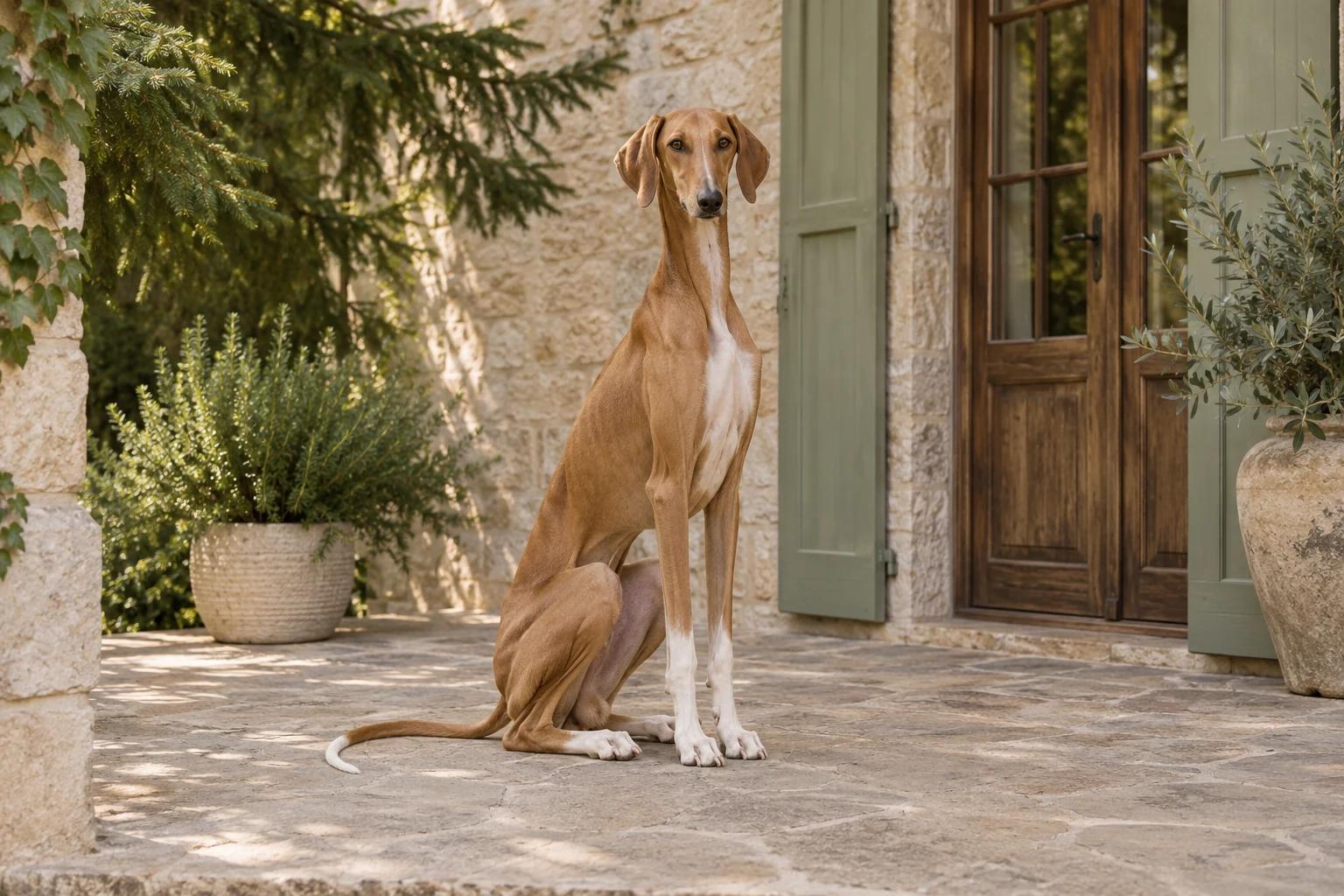
Azawakh temperament often interests people who want a companion that does not greet the whole world in the same way. There can be a difference between how a dog behaves with familiar people and how it responds to strangers. Understanding that distinction is more useful than deciding that reserve means a lack of feeling or that affection must look the same in every breed.
An Azawakh is an individual before it is an example of a description. Use the breed background to prepare, then pay attention to the actual dog and its experiences.
Azawakh temperament: familiarity matters
The American Azawakh Association describes a contrast between close relationships with accepted people and possible reserve with strangers. That is a useful starting point for thinking about Azawakh personality. It does not establish how quickly a particular dog will become comfortable with you or anyone else.
Our Azawakh profile likewise calls for patient introductions and an individual approach. A first meeting should give the dog room to observe. You do not need to test affection by reaching for it immediately or asking it to accept attention from a series of people.
Let the first meeting tell you something
Ask the caregiver how the meeting is usually organized. Find out whether you are in a familiar place and whether anything unusual has happened that day. Then watch without expecting an instant performance.
A useful observation might be that the dog approaches after people sit down, or that it prefers more distance while a visitor is moving. Those details help you imagine a practical arrangement at home. A broad label such as aloof gives you much less to work with.
What are Azawakhs like in a shared home?
Think about the household's pattern of movement. Are people coming and going throughout the day? Does the entrance open straight into the main living space? Are there quieter areas where the dog can rest without being repeatedly approached?
These questions are not a test of whether your home is grand enough. They are about arranging ordinary life. A clear resting area and a plan for arrivals can matter more than an impressive room count.
Companionship also deserves a realistic definition. Some dogs seek touch, some prefer to remain nearby, and the same dog may choose differently at different times. Notice what this individual initiates rather than assuming that a particular style of contact proves a stronger relationship.
Agree on the household approach
Everyone who lives with the dog should understand the same basic arrangement. Decide where rest happens, how visitors will be introduced, and who will handle a busy arrival. This prevents the dog from receiving a different social invitation from every person in the room.
If someone wants a dog that eagerly welcomes frequent unfamiliar guests, discuss that preference honestly before choosing. You are not looking for a way to argue yourself into a match. You are checking whether the actual dog and your expectations can fit together.
Activity without turning the dog into a spectacle
The AKC breed introduction identifies the Azawakh as a West African sighthound with a short, fine coat. That elegant appearance can dominate photographs, but day-to-day ownership is not a photo session. Plan outings, learning, and quiet time as practical parts of the week.
Ask which activities the dog already enjoys and how they are managed. If you are interested in a sport, find out what introductory participation involves and whether it suits the individual. You do not have to choose a competitive activity simply because the breed can participate in one.
The site's existing article on Azawakh movement explains a conformation issue. It is not an instruction to seek a more dramatic stride or a particular exercise performance. Keep the dog's everyday routine separate from judging a show-ring outline.
Avoid turning reserve into a problem to fix
Azawakh dog temperament should be discussed in terms of comfort and behavior, not whether the dog meets someone else's idea of sociability. A dog can observe a visitor without needing to be touched. You can manage space without apologizing for an interaction that is simply quiet.
At the same time, do not dismiss distress as just the breed. If the dog cannot settle, struggles repeatedly in ordinary situations, or shows behavior that concerns you, seek individualized guidance. For sudden behavior changes or possible discomfort, talk with your veterinarian.
Keep your description factual when asking for help. Explain the distance, people involved, movements, and sequence of events. “The dog moved behind me when the guest stood up” gives a professional more useful information than “the dog is being difficult.”
Questions to take to a breeder or rescue
Ask about the particular dog or family line, not only the breed in general. A thoughtful conversation should leave room for what is known and what remains unobserved.
Useful questions include:
- How does this dog behave with familiar visitors compared with new ones?
- Which kinds of handling are comfortable and familiar?
- What does a normal quiet evening look like?
- How have changes in routine been introduced?
- What experience has the dog had with other animals?
- What support is available after the dog moves home?
For a puppy, ask how current experiences and routines can be continued gradually. For an adult, ask which observations were made in a home and which came from another setting. Context helps you interpret the answers without pretending they predict everything.
Before deciding, use the dog breed quiz to organize your preferences around company, activity, and the household environment. Then compare the result with the individual evidence. The right outcome is not a perfect match to a paragraph; it is a clear, realistic plan for living together.
FAQ
Are Azawakhs reserved with strangers?
Reserve with unfamiliar people is part of the breed description, but its expression varies between individuals. Give a dog space during introductions and ask about its actual social history. Do not assume that a quiet first meeting predicts how the relationship will develop.
Does a reserved Azawakh dislike people?
Reserve does not automatically mean a lack of interest in companionship. A dog may behave differently with familiar people and strangers, and may choose proximity rather than touch. Learn the individual's preferences instead of measuring affection by how quickly it greets someone.
What should I look for when meeting an Azawakh?
Look for specific behavior in context: how the dog observes arrivals, responds when people move, and settles in a familiar place. Ask what is typical and what is unusual that day. Use those observations to plan rather than relying on a single personality label.
Sources behind this article
Article source checked: November 14, 2026. Source checked 2026-11-14
Keep reading

Airedale Terrier Temperament: What Everyday Life Can Feel Like
Read article →