Australian Stumpy Tail Cattle Dog vs Australian Cattle Dog
Compare the Stumpy and Australian Cattle Dog through size, daily routines, coat care, and the individual observations that matter before choosing.
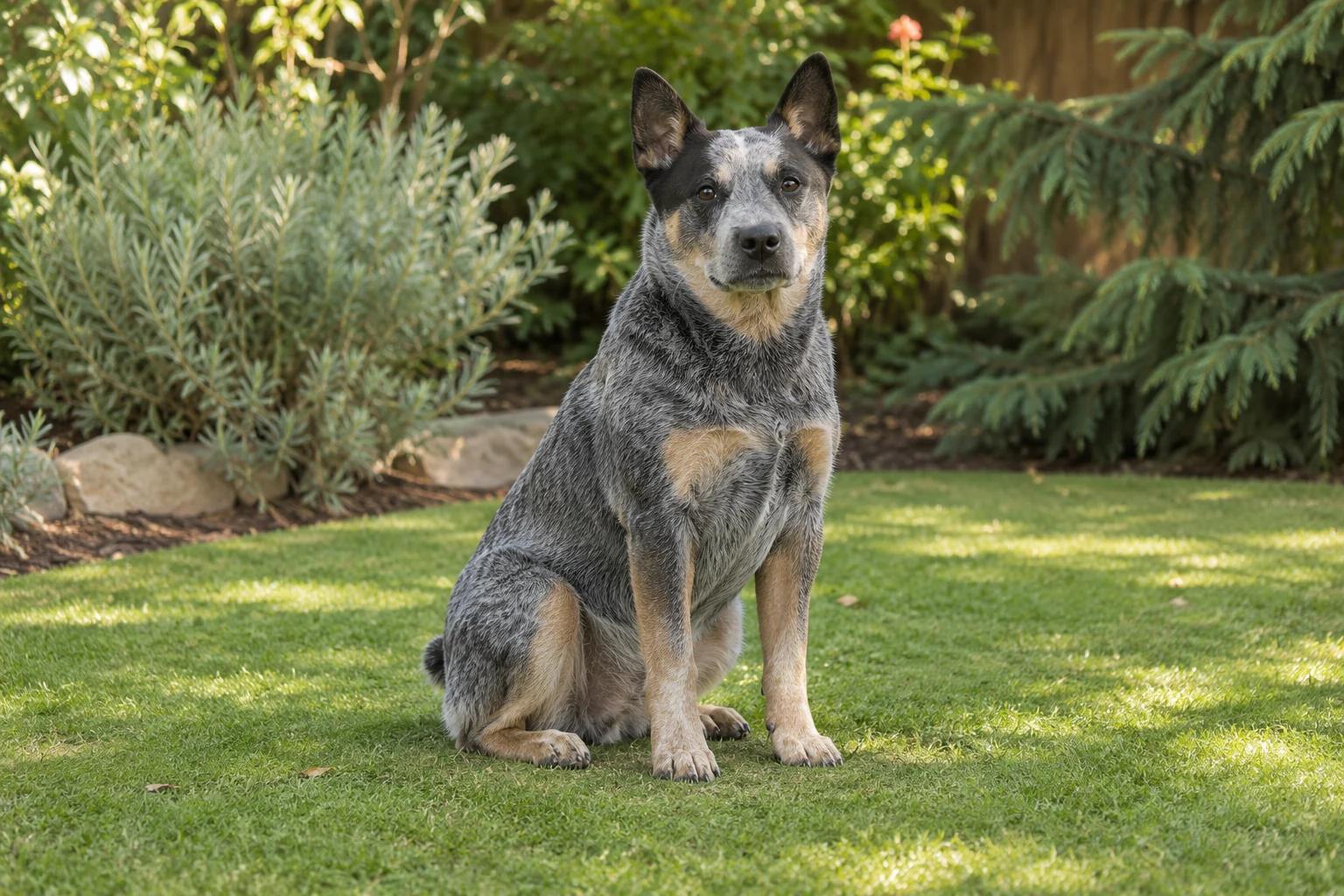
Explore the
Australian Stumpy Tail Cattle Dog
Background, care, and everyday considerations.
View breed profile →Australian Stumpy Tail Cattle Dog vs Australian Cattle Dog is a comparison between two working breeds, not simply a choice of tail length. Both deserve a serious look at your activity routine and interest in teaching a dog useful everyday skills. Neither becomes a low-commitment companion because it has a relatively compact outline or short coat.
If you are drawn to both, start with what you want ordinary life together to look like. Then compare actual dogs and their backgrounds rather than treating a breed comparison as a contest with one winner.
Australian Stumpy Tail Cattle Dog vs Australian Cattle Dog: start here
The AKC Stumpy introduction identifies the Stumpy as a separate, naturally bobtailed breed. The AKC Australian Cattle Dog introduction describes a muscular herder also known as a Blue Heeler or Queensland Heeler. Those names help untangle searches, but they do not tell you which individual will suit your household.
The practical starting point is the same: make room for activity and learning, then ask how the dog behaves within a home. A working identity is useful context, not a complete daily schedule. You still need information about settling, introductions, handling, and the activities the dog already knows.
A quick planning comparison
| Topic | Stumpy Tail Cattle Dog | Australian Cattle Dog |
|---|---|---|
| My Breed Atlas adult weight | 32–45 pounds across the listed male and female ranges | 33–49 pounds |
| Listed male height | 18–20 inches | 18–20 inches |
| Listed female height | 17–19 inches | 17–19 inches |
| Daily planning emphasis | Activity, learning, and a workable home routine | Activity, learning, and a workable home routine |
| Useful next step | Meet adults and ask about ordinary days | Meet adults and ask about ordinary days |
The figures come from our Stumpy Tail Cattle Dog profile and Australian Cattle Dog profile. The overlap matters: weight alone is unlikely to settle this choice.
Look beyond a familiar outline
The difference between Stumpy Tail Cattle Dog and Australian Cattle Dog ownership cannot be read from a single photograph. Appearance may attract your attention, but it does not show you what happens during a busy evening or a change to the usual routine.
The FCI Stumpy standard describes a square outline and reserve with strangers. That is a reason to ask thoughtful questions about introductions, not a reason to predict every Stumpy's social behavior. Equally, an Australian Cattle Dog's familiar nickname does not tell you how readily it will welcome a visitor.
When meeting either breed, observe without asking the dog to perform for you immediately. Find out what the setting is normally like. A dog on unfamiliar ground may show you something different from the same dog at home, and both observations need context.
Compare routines, not just energy labels
For an Australian Cattle Dog vs Stumpy Tail decision, draft the day you can consistently provide. Include outings, shorter opportunities to practice skills, ordinary care, and quiet time. Identify what happens when work or family commitments interrupt the plan.
Then ask the current caregiver to describe the dog's day in similar detail. Compare the two accounts. If their routine includes activities you have never tried, ask what learning those activities would involve rather than assuming you can copy them immediately.
A useful match is not necessarily the dog with the most impressive activity list. It is one whose needs and observed behavior fit a routine you can maintain. An ambitious weekend plan does not compensate for a weekday arrangement that depends on everything going perfectly.
Think about transitions
Ask what happens after an outing ends. Does the dog already have a familiar way to settle? What happens when people return home? How are car trips, visitor arrivals, and departures organized?
These questions can make the comparison more concrete than asking which breed has “more energy.” Two dogs may enjoy similar activities but need different support at the beginning and end of them. Your home layout and available time can make those differences important.
Coat care and the everyday mess
Both live breed profiles describe short coats and shedding. Do not make short hair your reason to dismiss coat care altogether. Think about where brushing can happen, where wet outdoor equipment will go, and how easily you can clean the surfaces the dog uses.
Ask to see the current grooming routine and the tools used. If the dog is coming from a different household, find out which parts of handling are familiar. You will learn more from that demonstration than from a broad promise that a coat is easy.
Avoid turning seasonal variation into a ranking of which dog will leave fewer hairs on your furniture. The individual coat, time of year, and your cleaning routine all affect the experience. Choose a plan you can sustain for either dog you are seriously considering.
Questions that make the choice clearer
If your search began with “Stumpy Tail vs Blue Heeler,” take these questions to your next conversation:
- What does an ordinary workday look like for this dog?
- Which situations are comfortable, and which need more preparation?
- What experience has the dog had with other animals?
- What happens when a familiar activity is delayed?
- Which everyday skills are established, and which are still being taught?
- What information is measured or observed, and what is an expectation?
Keep separate notes for each dog rather than blending every answer into a general breed impression. That prevents one memorable encounter from becoming your entire understanding of either breed.
For the identity question, our article on the Stumpy's natural tail and breed standard provides the background without making tail appearance an ancestry test. For the household decision, the dog breed quiz can help you organize preferences before you meet dogs. Use both as preparation, then let specific evidence guide your choice.
FAQ
Is a Stumpy Tail Cattle Dog the same as an Australian Cattle Dog?
No. The Australian Stumpy Tail Cattle Dog is a separate breed, not an Australian Cattle Dog defined by a shortened tail. Compare their breed records and the individual dogs you meet rather than using tail appearance as the deciding feature.
Which breed is smaller?
Their listed heights overlap. My Breed Atlas gives a combined Stumpy adult weight range of 32–45 pounds and an Australian Cattle Dog range of 33–49 pounds. That does not mean every Stumpy is smaller than every Australian Cattle Dog; measure the individual when planning equipment.
Which breed is the better choice for my home?
Neither is automatically the better choice. Compare your weekday routine with each dog's observed needs, social experience, and ability to settle. Both deserve planning for activity and learning. Specific information about an individual dog is more useful than a simple breed ranking.
Sources behind this article
- American Kennel Club: Australian Stumpy Tail Cattle Dog ↗
- American Kennel Club: Australian Cattle Dog ↗
- FCI: Australian Stumpy Tail Cattle Dog Standard 351 ↗
Article source checked: November 14, 2026. Source checked 2026-11-14
Keep reading

Affenpinscher vs Brussels Griffon: Everyday Differences
Read article →