Australian Shepherd vs Border Collie: Choose the Daily Fit
Compare Australian Shepherd and Border Collie size, grooming, activity, companionship, and training for everyday ownership.
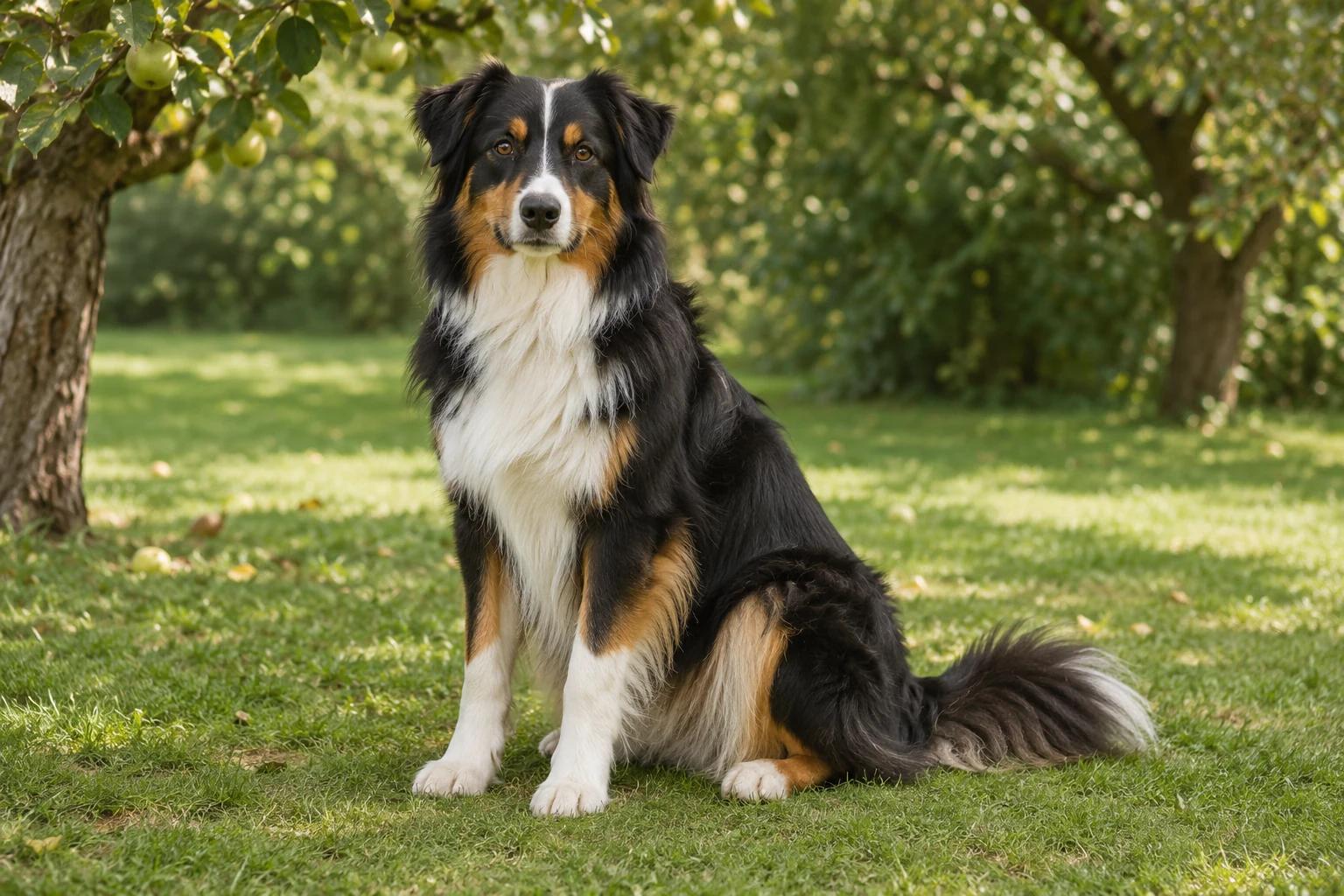
Australian Shepherd vs Border Collie is not a contest to crown the cleverest dog. Both breeds appeal to people who enjoy activity and learning, but those qualities also require time and attention. The better choice is the one whose real needs and individual background suit your life.
Start with the Australian Shepherd profile and Border Collie profile. Compare care, size, company, and the ordinary week before imagining the impressive things you might teach. A breed can be admirable without being the right match for your current household.
Australian Shepherd vs Border Collie: what the profiles share
The Australian Shepherd standard describes an active working dog. The AKC Border Collie introduction similarly emphasizes energy and the need for occupation. Neither description supports choosing the breed as a minimal-engagement companion.
Both site profiles give mental work and activity an important place in daily life. This shared requirement is more useful than trying to establish which breed has a higher ceiling for performance. Most owners need a sustainable routine, not a dog capable of winning an imagined contest.
Ask whether you enjoy the process of teaching, arranging outings, and spending time with a dog. Wanting the result of a trained dog is different from wanting to participate in the work that produces it.
Difference between Australian Shepherd and Border Collie size
One practical difference between Australian Shepherd and Border Collie averages is weight. The site lists male Aussies at 50–65 pounds and females at 40–55 pounds. It lists the Border Collie at 30–55 pounds overall. There is meaningful overlap, not a sharp dividing line.
The height ranges overlap too. Aussies are listed at 20–23 inches for males and 18–21 inches for females. Border Collies are listed at 19–22 inches for males and 18–21 inches for females. Weight and outline can therefore create a bigger visual difference than height alone suggests.
For a vehicle, bed, or harness, measure the actual dog. A broad breed range helps you plan, but it is not an equipment size. If you are considering a puppy, ask about the adults while keeping room for individual variation.
Coat care: compare the routine, not the photograph
Both profiles describe coats that need regular attention and shed. The Aussie page suggests brushing several times a week; the Border Collie page describes daily brushing. Read these as the site's starting care plans and discuss the actual coat with a groomer.
The Australian Shepherd Club of America's grooming guide emphasizes attending to loose undercoat rather than just smoothing the surface. That is a useful question to ask about any grooming demonstration: which parts of this particular coat need more careful work?
Look beyond the freshly groomed portrait. Ask how the dog is maintained after ordinary outings and which parts of the routine it accepts comfortably. If you plan to use professional grooming, include the appointments and home maintenance in your budget and schedule.
Neither coat should be treated as maintenance-free simply because you prefer its appearance. The enjoyable part of owning the dog is easier when routine care has a realistic place in the week.
Aussie or Border Collie: what will your weekdays look like?
An Aussie or Border Collie choice should survive a look at your least glamorous weekday. Where will the dog go, who will provide company, and what meaningful activity can happen without a special trip?
The Aussie profile describes substantial daily activity. The Border Collie profile calls for a long outing, training, or a job alongside mental engagement. Do not convert those descriptions into a claim that one always needs a specific number of minutes more than the other.
Ask about the individual dog's current routine. A caregiver who can explain familiar activities, transitions, and time at home gives you useful information. A promise that the dog is energetic or brilliant leaves most of the practical questions unanswered.
Consider the handler's interests
Do you enjoy precise training exercises, exploring outdoors, or working toward a sport? You may like several of these, but the dog will still need an ordinary routine when your favorite activity is unavailable.
Visit a relevant class before choosing a breed around a hobby. Notice the travel, waiting, instruction, and practice between sessions. Enjoying a brief performance does not necessarily mean enjoying the whole activity that supports it.
Company and independence are not opposites
The profiles describe a strong place for people in both breeds' lives while also acknowledging independent tendencies. A dog can want your company and still make its own choices. Do not interpret a working background as a promise that the dog will always check with you first.
Discuss realistic time alone with the breeder or caregiver. Ask what the dog has experienced and how the current routine works. Long absences need practical planning; leaving an engaging toy does not answer every question about companionship.
For visitors and other animals, seek individual information and plan introductions. Avoid choosing on broad statements that one breed is automatically more welcoming or universally compatible. The specific dog and setting matter.
Border Collie vs Australian Shepherd training expectations
A Border Collie vs Australian Shepherd training comparison is useful when it asks what you want to practice, not which dog deserves a higher intelligence ranking. Both can require thoughtful opportunities to learn, but the individual response is what guides the teaching.
Ask to hear about familiar skills and the settings in which they have been practiced. Observe without demanding a difficult performance from an unfamiliar dog. A quiet demonstration and an account of ordinary behavior can be more informative than a dramatic trick sequence.
Also ask what the caregiver is still working on. An honest description of unfinished learning helps you prepare. No breed label removes the need to explain household expectations and continue practicing as circumstances change.
Put the whole decision together
Use the dog match quiz to organize your priorities, then compare known information for each dog under the same headings. If coat care, activity, and company all fit one option more comfortably, that is a stronger basis than appearance alone.
For readers considering an Aussie, the site's care-record article covers a separate part of preparing veterinary information. It does not replace meeting the dog or reviewing the everyday requirements described here.
You do not need to prove that one breed is better. You need enough reliable detail to decide whether a particular dog fits, and the freedom to choose neither if the commitment does not suit your life right now.
FAQ
Is an Australian Shepherd bigger than a Border Collie?
Aussies are often heavier within the site's typical ranges, but there is overlap. The overall Aussie range is 40–65 pounds and the Border Collie range is 30–55 pounds. Use individual measurements for equipment and travel decisions.
Which breed is easier to train?
There is no universal winner. Both profiles support regular learning, and both still need clear teaching. Compare the individual dog's experience and your interest in continued practice instead of using an intelligence ranking as a shortcut.
Which breed needs less grooming?
The site's starting plan is several weekly brushing sessions for the Aussie and daily brushing for the Border Collie. Actual coat condition and outings matter too. Ask a groomer about the individual rather than assuming every coat matches a photograph.
Can either breed fit a low-activity household?
Neither is an obvious minimal-activity choice. Both profiles describe meaningful activity and mental engagement. Compare the real routine with your available time and consider other options if regular outings and learning are not appealing commitments.
Sources behind this article
Article source checked: November 14, 2026. Source checked 2026-11-14
Keep reading

Affenpinscher vs Brussels Griffon: Everyday Differences
Read article →