Introducing an Australian Mist to a resident cat without rushing
Plan an Australian Mist introduction around both cats’ responses, with separate resources, gradual contact and clear reasons to pause or seek help.
Check the arrangement before arranging the meeting
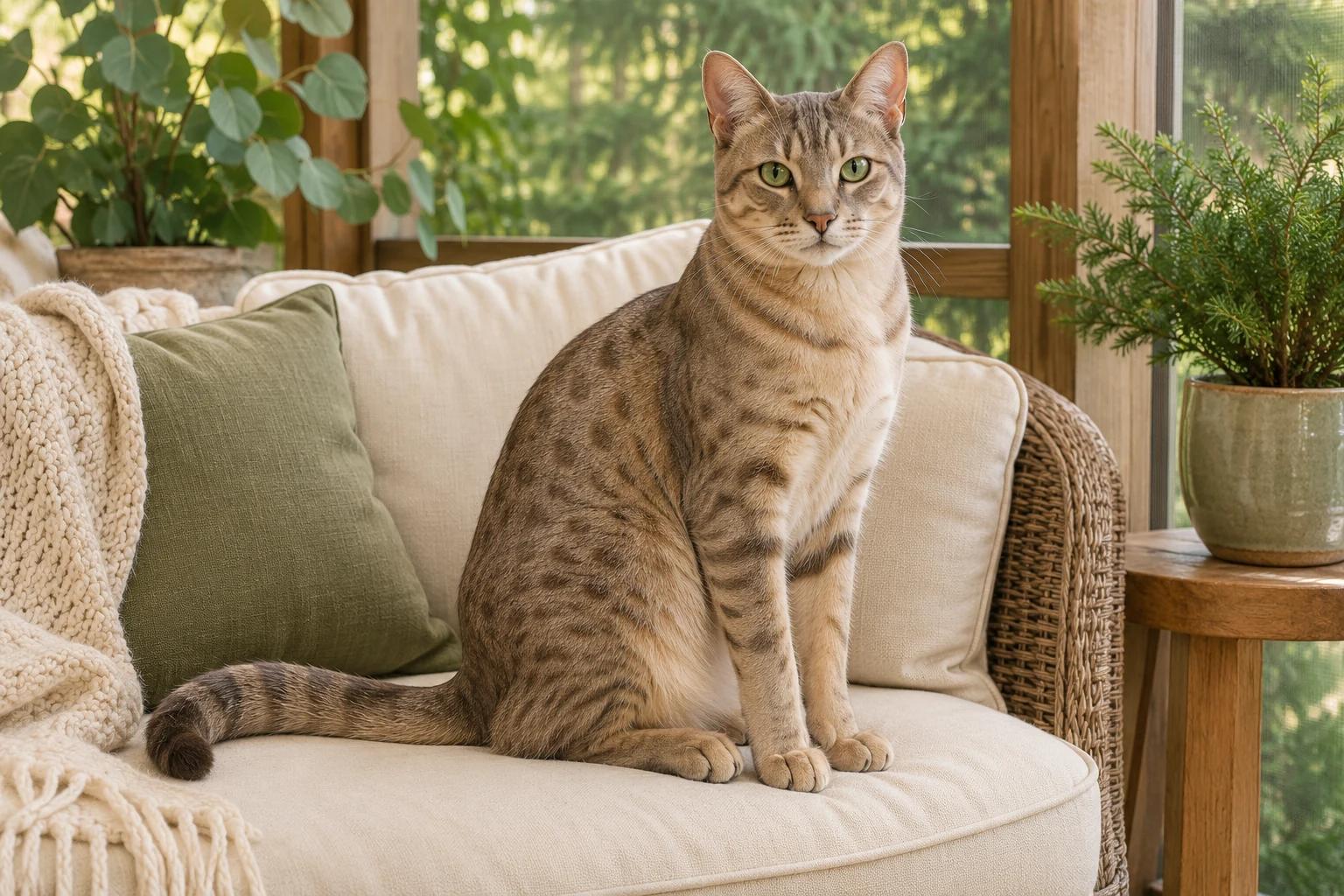
GCCF describes Australian Mists as lively and affectionate. That description cannot tell you whether a new Mist and your resident cat will want the same amount of company. Before collection day, decide whether your home can give them separate areas and essential resources while you learn about their responses to each other.
Draw the route each cat will use to reach food, water, litter and resting places. A plan that requires your resident cat to pass the newcomer’s door every time it needs something deserves another look. Ask the rehoming organisation or previous carer about the new cat’s experience with other cats, while recognising that a different home changes the situation.
Treat the introduction as stages, not a weekend project
Cats Protection recommends beginning with a sanctuary room, then scent introduction, visual contact through a barrier and later brief face-to-face meetings. The pace depends on the cats. Keep the new Australian Mist’s starting space separate rather than carrying it around to meet the resident cat as soon as it arrives.
Use the charity’s full introduction guidance when planning each stage. For your household notes, record the current stage and what each cat actually does. A date on the calendar is not permission to advance. If one person sees the cats in the morning and another in the evening, share observations before deciding to change the arrangement.
Give both cats a way to decline
Cats Protection advises allowing cats to approach visual introductions by choice, with escape routes available for later meetings. It also recommends stepping back if adults show they were not ready. Do not hold the cats close together for a photograph or force nose-to-nose contact to see whether they are friends.
Before opening a barrier, ask where each cat could retreat and how you could end the encounter safely without reaching between them. If you cannot answer confidently, get advice before progressing. Keep the resident cat’s familiar care opportunities in the plan as well; the new arrival should not become the only cat whose comfort you are observing.
Look for access, not just an absence of fights
A quiet household is not automatically a comfortable one. Cats Protection lists blocking doors, hallways or essential resources among signs of bullying. Watch whether both cats can use their own spaces freely. A resident cat staying in one room may need attention even if the Australian Mist appears relaxed elsewhere.
If you see persistent tension, stop increasing contact and ask your vet or a suitably qualified cat behaviour professional for help. Record changes in eating, toileting or other usual behaviour for the vet rather than assigning a personality label. A successful plan protects both cats’ welfare; it does not require them to share a bed or become companions on a deadline.
Sources behind this article
Article source checked: October 22, 2026. Source checked 2026-10-22
Keep reading
Letting an Egyptian Mau choose how to meet unfamiliar visitors
Read article →