Australian Kelpie Exercise Needs: Purpose Beyond Distance
Plan Kelpie activity with purposeful outings, learning, company, and workable alternatives rather than counting miles alone.
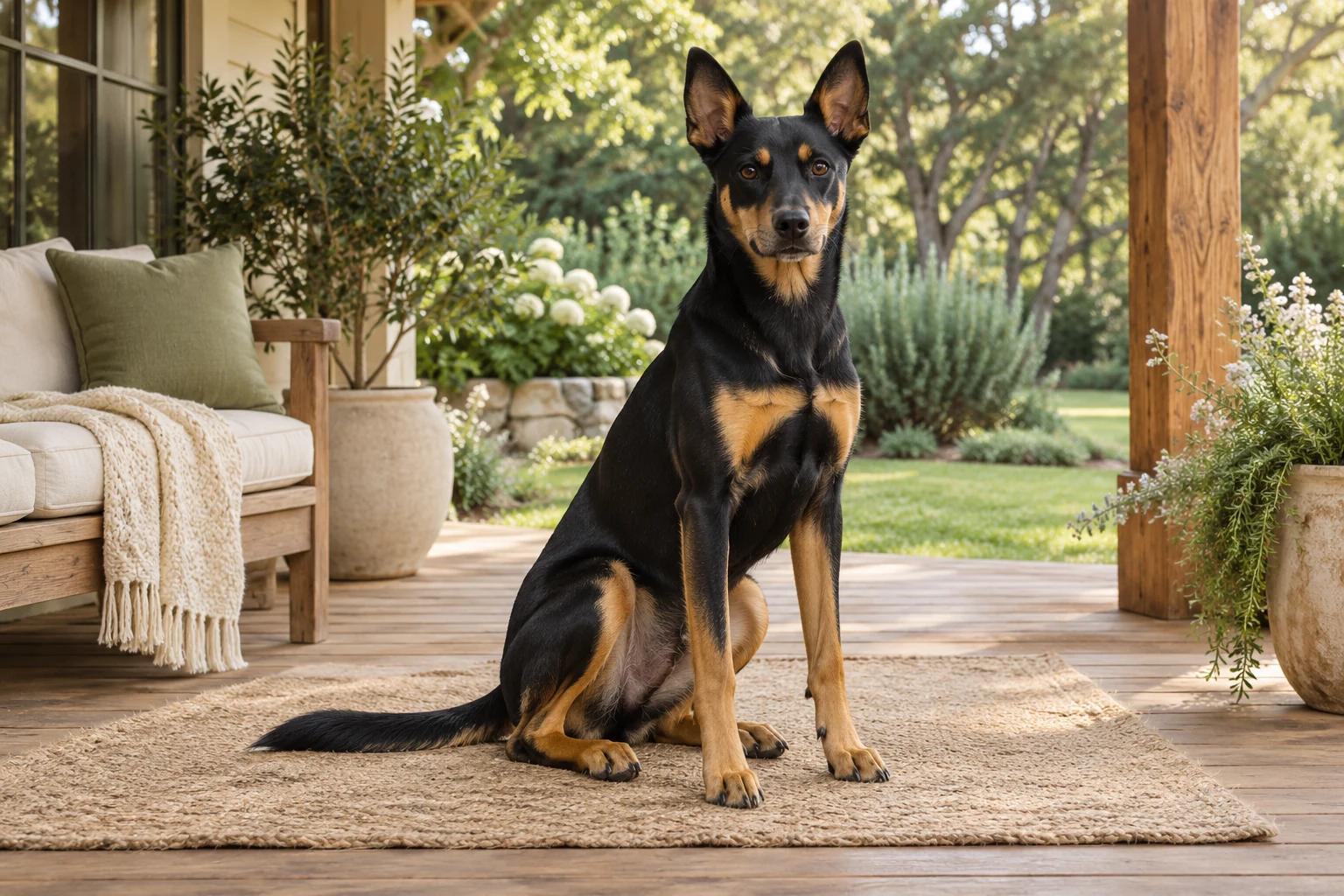
Australian Kelpie exercise needs deserve a place in your ordinary day, not just your weekend ambitions. This is an active breed, and a useful plan includes opportunities to move, learn, explore, and spend time with you. The aim is a workable life together rather than a contest to see how far the dog can go.
The Australian Kelpie profile describes substantial daily activity and a role for regular training or dog sports. If that sounds appealing, the next step is deciding what those words will mean on a normal working day.
Australian Kelpie exercise needs: start with purposeful activity
The AKC breed introduction describes an alert, active, work-oriented dog. That background makes purposeful engagement an important part of your planning. It does not tell you the right distance, pace, or sport for an individual Kelpie.
Think of an outing as more than a route on a map. You might want time for exploring, a chance to practice a familiar skill, or a comfortable walk together. Naming the purpose helps you decide whether the outing delivered something useful without relying only on mileage.
A large exercise area is a resource, not a complete plan. If the dog spends that time waiting for someone to join in, the square footage is not doing the work you imagined. Consider how you will use the space together.
How much exercise does an Australian Kelpie need?
“How much exercise does an Australian Kelpie need?” is a reasonable question, but a universal stopwatch answer would hide too much. Age, current conditioning, the activity itself, and the individual dog's circumstances all matter. Talk with your veterinarian about suitable physical activity, especially before introducing a demanding new pursuit.
For ownership planning, treat activity as a significant daily commitment. Do not assume a short toilet trip and an occasional long outing cover the profile. At the same time, do not interpret enthusiasm as an instruction to keep increasing exertion indefinitely.
Write down the activities you can actually provide: the nearby walking route, access to a secure practice space, transport to a class, and time for one-to-one interaction. A concrete list exposes gaps that the phrase “we are outdoorsy” can overlook.
Count access and preparation too
An activity can take more time than the dog spends doing it. Driving, arranging equipment, and returning home are part of your commitment. If the nearest suitable venue requires a substantial journey, decide how often that trip is realistic.
Keep an ordinary local option available alongside special outings. A plan that depends on ideal weather, a free afternoon, and another person's car is fragile even when the activity itself looks perfect.
Build a Kelpie daily routine with different kinds of engagement
A Kelpie daily routine can have recognizable parts without every day being identical. Use an outing for shared movement, a separate short lesson for a specific skill, and quieter time with the household. These are planning categories, not prescribed exercise durations.
VCA's enrichment guidance emphasizes individual preferences and predictable opportunities for appropriate activities. Apply that idea by noticing what your dog actually enjoys, rather than buying an entire collection of activities because they suit the breed's image.
For example, you could alternate a familiar exploration route with an easy search for a known toy in a secure area. Keep the search understandable at first. The interesting part is finding and participating, not making the task impossible.
A learning project can also have a clear endpoint. Practicing a familiar hand target in a new, quiet location gives you something specific to observe. It is different from asking for random behaviors until the dog appears tired.
Understand the Kelpie activity level without chasing exhaustion
The Kelpie activity level is a reason to plan engagement, not to treat exhaustion as the only successful outcome. Ask whether the day's activities were appropriate and enjoyable, and whether the transitions between them were understandable.
Put away equipment when a session has finished instead of repeatedly teasing another round. Give the dog an ordinary next activity and a comfortable place to rest. If settling is consistently difficult, discuss the pattern with a qualified reward-based trainer rather than simply adding more intensity.
Keep notes about situations, not labels. “Still watching the ball cupboard after we restarted the game three times” is more useful than “has too much energy.” It gives you a practical feature of the routine to change.
Working-line questions matter
The Working Kelpie Council's pet guidance specifically discusses working Kelpies and their need for mental and physical occupation alongside companionship. Ask which population and background describe the dog you are considering; do not assume every Kelpie has had the same selection or experience.
For an adult, request an account of an ordinary day. What activities are familiar? What happens after they finish? How much experience does the dog have in the setting you can provide? For a puppy, discuss the adults and how the breeder prepares puppies for companion life.
Those answers are more useful than a dramatic video of exceptional working ability. A video shows a moment. You are choosing a daily relationship.
Plan for an imperfect week
A realistic plan needs alternatives when the favorite venue is unavailable. Identify another suitable route or a manageable home-learning activity before you need it. Alternatives should fit the dog, not merely fill a slot on a chart.
Also consider who can help when your schedule changes. The helper needs to understand the dog's equipment, familiar cues, and ordinary routine. Being willing to hold a leash is not the same as being prepared for the particular dog.
Use the dog match quiz to compare your preferences with the wider breed profile. Our separate article on the 2019 Kelpie–dingo study addresses an ancestry question; daily activity decisions are better grounded in the dog and routine in front of you.
FAQ
Is a yard enough exercise for an Australian Kelpie?
A yard provides space, but it does not automatically provide interaction, learning, or purposeful activity. Plan how you will use it, along with suitable outings and companionship. Evaluate the individual dog's routine rather than relying on property size.
Should I run my Kelpie until it is tired?
Exhaustion is not a useful universal target. Choose appropriate activity and include learning, exploration, and rest. Talk with your veterinarian before developing a demanding exercise program, and ask a trainer for help if transitions remain difficult.
Can training be part of a Kelpie's activity plan?
Yes. A focused learning session can provide engagement alongside physical activity. Give it a clear task and endpoint rather than treating repeated commands as a way to fill time. Training complements, rather than replaces, suitable movement and outings.
Do all Kelpies need the same routine?
No. Background, age, experience, and individual preferences affect the plan. Ask about the actual dog and build from known information. Breed tendencies help you prepare for the commitment, but they do not supply an identical schedule for every Kelpie.
Sources behind this article
Article source checked: November 14, 2026. Source checked 2026-11-14
Keep reading

Afghan Hound Exercise Needs: Build a Workable Active Day
Read article →