Anatolian Shepherd vs Great Pyrenees: Comparing Daily Life
Compare Anatolian Shepherd and Great Pyrenees size, coat, activity, voice, and independent companionship.
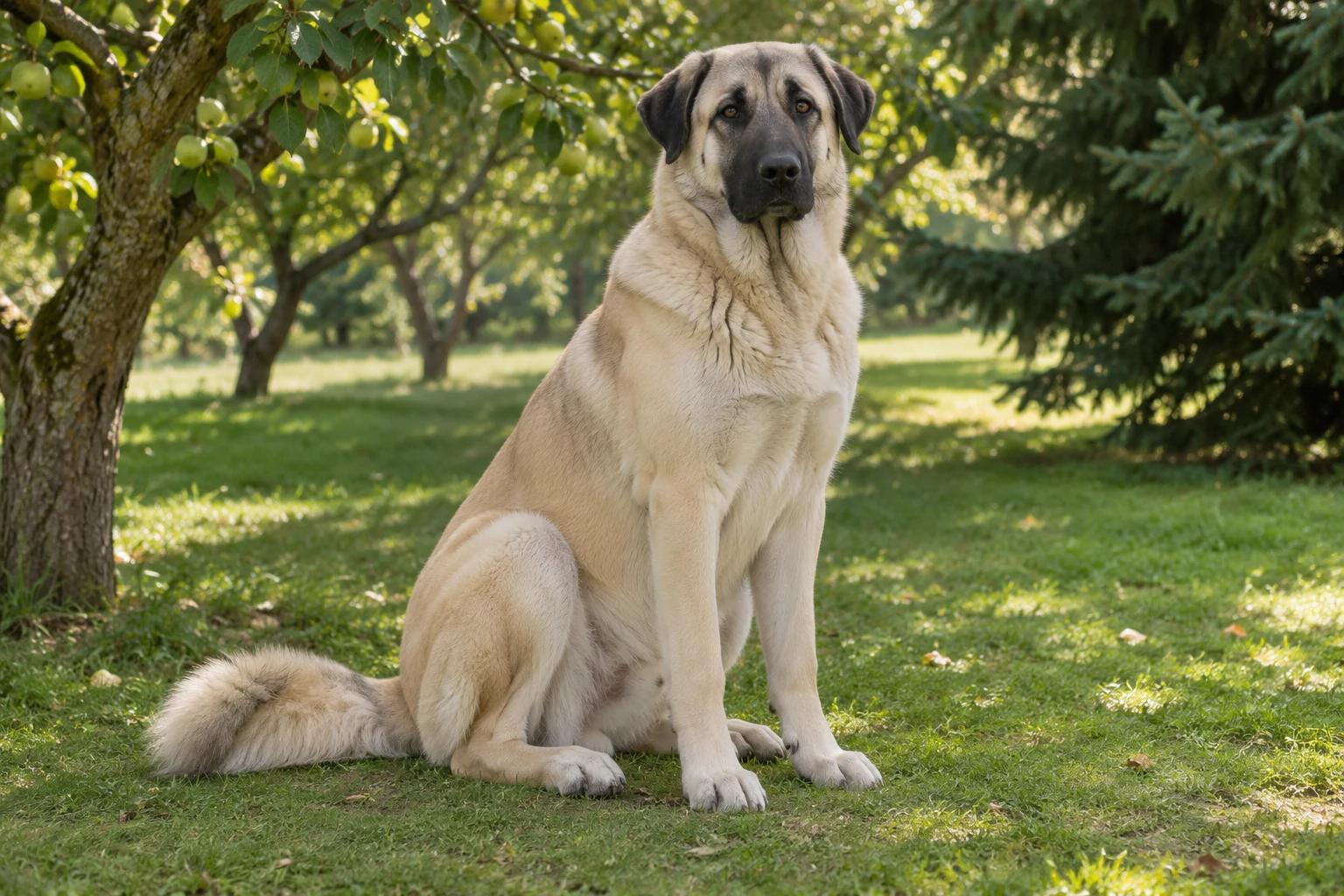
Anatolian Shepherd vs Great Pyrenees is a comparison between two large breeds with livestock-guarding backgrounds. That shared role can make them appear interchangeable on a shortlist, but their coat, voice, activity, and companionship profiles deserve separate attention.
Begin with the Anatolian Shepherd Dog profile and the Great Pyrenees profile. Whether you are considering a household companion or exploring a working placement, the useful question is how an individual fits your actual setting, not which breed wins a general contest.
Anatolian Shepherd vs Great Pyrenees: shared purpose, separate dogs
The Anatolian standard and Great Pyrenees standard both describe livestock-guarding work. That is a starting point for understanding independent decision-making, not proof that either individual is ready for a specific assignment.
If livestock work is your goal, discuss the stock, property, and dog's experience with an appropriate mentor. If companionship is your goal, discuss how the dog lives with people and responds to everyday changes. Those are related but different assessments.
Avoid choosing solely from an image of a dog standing in a field. The photograph tells you little about care, management, or the support required. Ask what happens throughout an ordinary day and who is responsible when circumstances change.
Size: prepare for a substantial dog either way
The site's Anatolian profile lists males around 29 inches and 110–150 pounds, and females around 27 inches and 80–120 pounds. The Great Pyrenees profile lists males at 27–32 inches and females at 25–29 inches, with substantial adult weights rather than a single upper limit.
Neither is a small-space purchase in practical terms. Consider the room needed to rest, turn, travel, and receive ordinary care. Measure the individual before choosing fitted equipment, and look at the usable space in your vehicle rather than its overall size.
The Great Pyrenees coat can also influence visual impressions. A full coat and a shorter coat do not reveal body dimensions in the same way. Do not estimate one dog's weight from how bulky it looks beside the other.
Think about handling logistics
Who will manage ordinary outings and appointments? What happens if the usual caregiver is unavailable? A workable arrangement includes the people and transport involved, not simply enough room for a bed.
If you are considering a mature dog, ask about familiar handling routines. If you are considering a puppy, plan for adult size rather than relying on the temporary ease of carrying it. Discuss physical-care questions with your veterinarian.
Coat care is a visible difference between Anatolian Shepherd and Great Pyrenees
A clear difference between Anatolian Shepherd and Great Pyrenees profiles is coat presentation. The site's Anatolian page describes a shorter coat; the Great Pyrenees has a fuller double coat. Both involve loose hair, with the Pyrenees profile describing heavy shedding.
That comparison affects your cleaning and grooming expectations, but it does not establish a precise amount of work for every individual. Ask what the actual coat needs, which tools are used, and how outdoor activities change the routine.
Consider where grooming will happen and how you will manage the return from an outing. An accessible area with good footing and familiar supplies can make ordinary care less cumbersome. If you need professional grooming, investigate practical availability before assuming it will be easy to arrange later.
Anatolian Shepherd or Great Pyrenees: activity and voice
When choosing an Anatolian Shepherd or Great Pyrenees, do not assume their activity descriptions are identical. The site's newer Anatolian notes describe a more substantial daily activity commitment, while the Great Pyrenees notes use a more moderate typical reference. Avoid translating either into a fixed prescription for your dog.
Ask about the individual's existing routine and discuss appropriate activity with your veterinarian. A dog working on a property and a companion on scheduled outings may have very different days. Compare the routine you can provide with the routine the dog knows.
Voice is another practical consideration. The Anatolian notes emphasize alert barking, while the Great Pyrenees notes allow for frequent barking through the day. If neighbors, shared boundaries, or night-time noise are important in your setting, investigate the individual's actual pattern before deciding.
Describe the surroundings honestly
Tell the current caregiver about nearby paths, deliveries, neighboring animals, and other ordinary activity. A description of a quiet rural setting may not answer the questions raised by a busy boundary.
Do not expect a breed label to resolve those differences. Ask what the dog has experienced and how similar situations are managed now. That information helps identify what would need preparation in a new home.
Companionship without constant performance
Both profiles describe a style that can be independent rather than constantly eager to perform. The Anatolian notes allow for time alone by choice; the Great Pyrenees notes describe quiet composure and affection without a strong need to please.
Consider whether you enjoy that kind of relationship. If you picture repeated tricks and immediate enthusiasm for every cue, discuss expectations carefully. Everyday cooperation can be valuable without looking like a continuous training demonstration.
Brief, purposeful lessons and clear routines fit the site's descriptions better than endless repetition. Ask what useful skills the individual already knows and which situations need further work. Independence should inform the teaching plan, not become an excuse to abandon it.
Boundaries and access belong in both plans
For either breed, think through how people enter and move around the property. Deliveries, repairs, visitors, and routine care should have an understandable arrangement. Decide which person manages the dog when access changes.
A learned response is not a substitute for appropriate physical boundaries. Review gates and instructions with everyone who uses them. A plan that works only when one particular person is present needs a practical backup.
For working placements, seek guidance about the actual livestock and environment. Do not use a general Great Pyrenees vs Anatolian Shepherd article to choose a dog without assessing the assignment. Shared heritage is not a guarantee of interchangeable behavior.
Choose from the whole picture
Use the dog match quiz to organize preferences about size, care, activity, and company. Our Anatolian registry terminology article addresses a different naming question and should not be used as a shortcut to individual suitability.
The most useful comparison ends with concrete information: known experience, a manageable care routine, suitable surroundings, and people prepared to support the dog. Either breed deserves a decision based on those details rather than a general reputation.
FAQ
Are Anatolian Shepherds and Great Pyrenees interchangeable livestock guardians?
No. They share a working background, but individual experience and the particular livestock arrangement matter. Seek appropriate assessment and mentoring for a placement rather than assuming either breed automatically fits the same assignment.
Which breed needs more coat care?
The Great Pyrenees has the fuller coat and heavier shedding profile on the site. Actual care depends on the individual coat and activities. Ask for the existing grooming routine and professional guidance rather than judging effort only from a photograph.
Which breed is smaller?
Both are substantial dogs, and their size ranges overlap. Compare individual measurements for practical decisions about equipment and transport. Coat volume can make visual comparisons misleading, particularly when viewing a Great Pyrenees beside a shorter-coated dog.
Are either of these breeds constantly eager to obey?
The site's profiles emphasize independence rather than constant performance. Useful cooperation can be developed through clear, brief practice and familiar routines. Discuss your expectations with the caregiver or trainer instead of assuming a breed will enjoy repeated demonstrations.
Sources behind this article
Article source checked: November 14, 2026. Source checked 2026-11-14
Keep reading

Affenpinscher vs Brussels Griffon: Everyday Differences
Read article →