Anatolian Shepherd Livestock Guardian: Plan the Whole Setup
Understand the Anatolian Shepherd livestock guardian role and the property, stock, experience, and mentoring a placement requires.
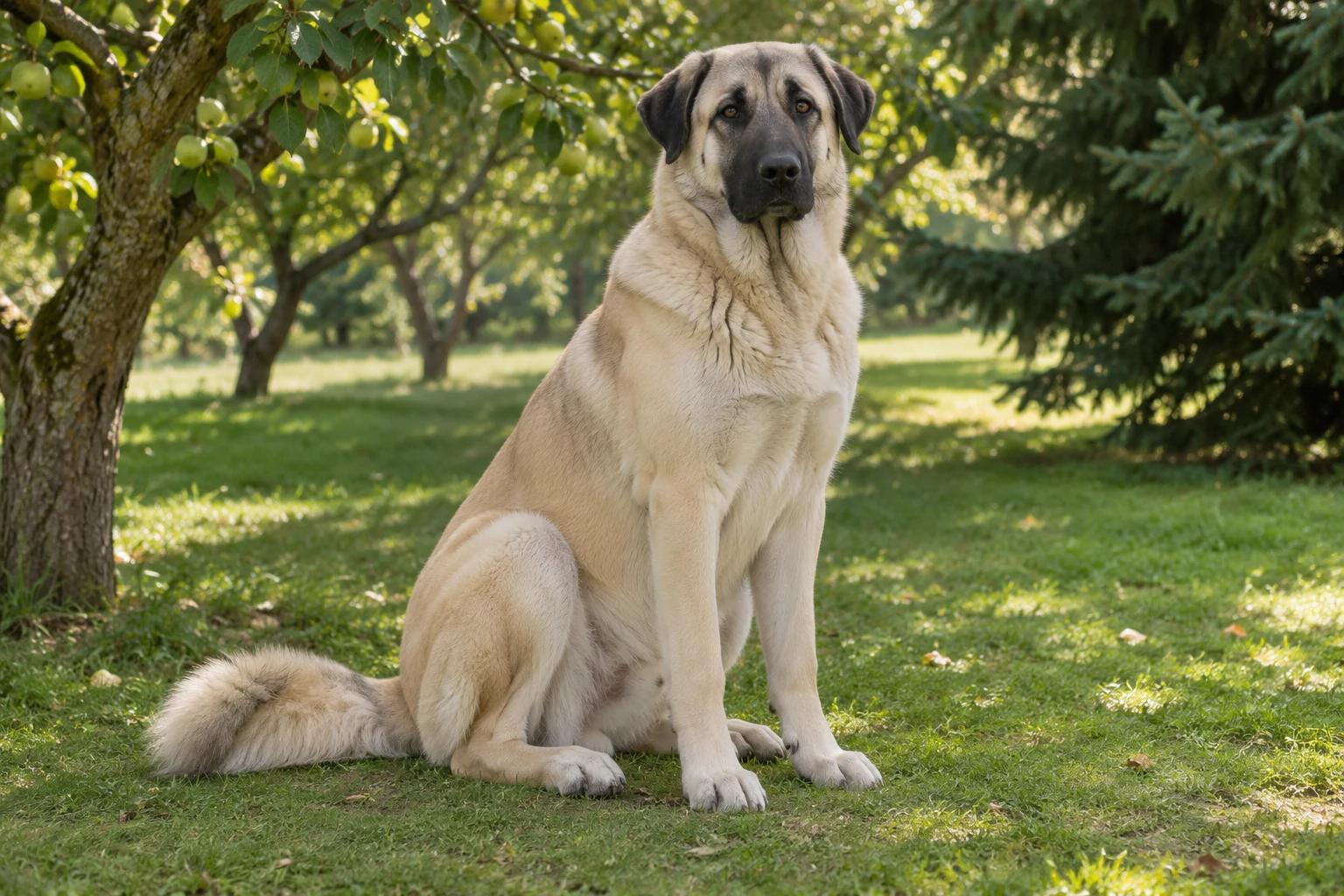
An Anatolian Shepherd livestock guardian decision begins with the livestock and property, not with choosing an impressive-looking dog. You need to understand the work required, the individual dog's experience, and the arrangements that support both. A breed with a guarding background is not a ready-made answer to every farm situation.
The Anatolian Shepherd Dog profile describes a large, independent working dog. Before considering a placement, look beyond acreage and ask how the daily operation works: boundaries, stock movement, visitors, neighboring animals, and the people responsible for supervision.
Anatolian Shepherd livestock guardian: guardian is not herder
The AKC breed standard identifies livestock guarding as the breed's purpose. Guarding and moving livestock on a handler's directions are different jobs. Do not assume that the word “shepherd” means you are choosing a herding dog for routine stock movement.
Describe the role you actually need before speaking with a breeder or mentor. What animals are involved? Where do they spend their time? What problem are you trying to address? The more specific the description, the easier it is to discuss whether a guardian arrangement is appropriate.
Avoid framing the dog as a standalone piece of equipment. Its care, learning, and management remain part of the operation. If the plan has no clear person responsible for those tasks, the plan is not complete.
Start with a property and livestock description
The club's working-dog mentor program considers factors including farm size, livestock type and numbers, environment, and how dogs work together or separately. These are useful topics for preparing a conversation with an experienced mentor.
Make a simple map showing the relevant areas, gates, roads, and places where people enter. Add where the livestock normally moves and where temporary changes occur. The map does not need to be technical; its purpose is to make the setting understandable.
Include the awkward details. A frequently used shared entrance or a boundary beside a public route may be more important than the total acreage. A mentor can only respond to the situation you describe, so do not leave out features that complicate the picture.
Explain ordinary traffic through the property
List the people who arrive for deliveries, maintenance, animal care, or other work. Note which visits are predictable and which happen with little notice. Then ask how dog management should fit those events.
A working role does not remove the need to coordinate human access. Decide who is contacted before entry and who handles the dog when necessary. Written instructions can prevent different workers from improvising conflicting arrangements.
Anatolian Shepherd with sheep: experience matters
An Anatolian Shepherd with sheep should not be judged ready simply because of its breed or because it stood quietly near a flock once. Ask about the individual's actual exposure, age, learning history, and the conditions under which previous work occurred.
A dog experienced with one setting may encounter unfamiliar situations in another. Differences in stock, boundaries, other dogs, and human activity all deserve discussion. Plan the transition with someone who can assess the specific arrangement rather than copying a generic introduction schedule.
The club's education material discusses training and supervised development. Use that as a reason to seek appropriate guidance, not as permission to place an inexperienced dog with livestock and hope instinct resolves every issue.
Keep observation useful
Record what you see in concrete terms: where the dog was, what the livestock were doing, and what happened next. An observation such as following a particular movement is more informative than a broad label like “good with sheep.”
Share questions promptly with the mentor. If an interaction is concerning, arrange appropriate separation and professional guidance rather than repeatedly recreating it to see whether it changes. A written plan should explain who to contact and what management steps have already been agreed.
Anatolian Shepherd guard dog does not mean personal-protection training
The phrase Anatolian Shepherd guard dog can lead people toward very different expectations. Livestock guardianship is not the same as teaching a dog to threaten unfamiliar people. Be precise about the working role when discussing training or selecting help.
Choose guidance relevant to livestock guardians and the property involved. Ask prospective helpers to explain their experience with comparable arrangements. A general claim of training large dogs does not establish expertise in stock introductions or farm management.
Keep the objective centered on a workable daily system. That includes the ability to carry out ordinary care and manage access, not encouraging increasingly dramatic displays. Do not treat intensity as proof that the dog is becoming better suited to the job.
Compare livestock guardian dog breeds by the actual assignment
When comparing livestock guardian dog breeds, begin with the task and environment rather than a ranking of strength or toughness. What experience is available locally? What kind of dog management can you sustain? Which individual has a background relevant to your situation?
Discuss practical support before committing. Can a breeder or mentor help with the transition? Who can provide instruction if the initial plan needs adjustment? Access to knowledgeable help is part of the decision, not something to find only after a problem develops.
Do not use a claimed breed advantage as a guarantee about livestock outcomes. The individual, the setting, and the management all matter. A useful discussion explains what is known and what still needs assessment.
Plan care and changes before they become urgent
Work out how the dog will receive routine care, travel when needed, and be handled by the responsible people. Talk with your veterinarian about physical care and activity questions. A working assignment should not make ordinary care logistically impossible.
Consider seasonal or operational changes too. Stock may move to another area, a gate may be replaced, or a different person may cover duties. Decide how those changes are reviewed with the people supporting the dog rather than assuming the original arrangement applies forever.
Our article about Anatolian and Kangal registry terminology covers a separate naming issue. The dog match quiz helps explore broader lifestyle preferences, but a real livestock placement calls for individualized working guidance.
FAQ
Is an Anatolian Shepherd a herding dog?
The breed's traditional role is livestock guarding, which differs from moving stock under a handler's directions. Clarify the job you need before choosing a dog. A name containing “shepherd” does not mean every breed performs the same work.
Can I put a young Anatolian directly with sheep?
Do not assume readiness from breed alone. Work with an experienced livestock-guardian mentor on assessment, introductions, and supervision for the individual dog and stock. The transition should reflect actual experience and the property arrangement.
What should I tell a working-dog mentor?
Describe livestock type and numbers, property layout, boundaries, other dogs, human access, and the role you need filled. Include complications rather than only acreage. Specific information allows a more useful discussion than a general request for a guardian dog.
Does the breed guarantee protection of livestock?
No breed label guarantees an outcome. Individual experience, learning, the environment, and ongoing management all contribute to the arrangement. Seek appropriate assessment and support rather than treating a working background as a complete plan.
Sources behind this article
Article source checked: November 14, 2026. Source checked 2026-11-14
Keep reading

Afghan Hound Exercise Needs: Build a Workable Active Day
Read article →