American Water Spaniel Grooming: Care for Waves and Curls
Learn American Water Spaniel coat care for waves and curls, post-outing checks, shedding, and working with a groomer.
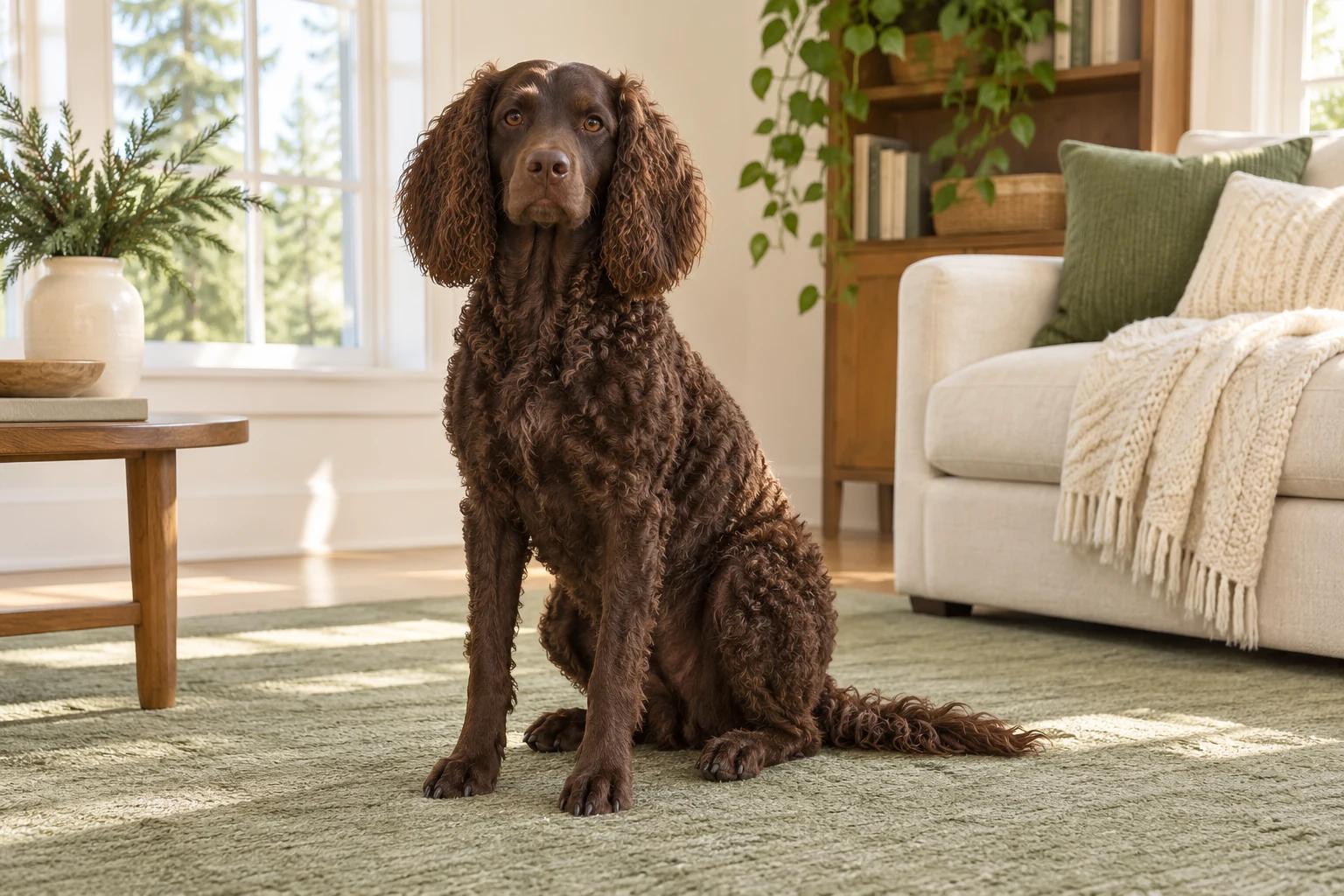
American Water Spaniel grooming begins with understanding the coat you actually have. Some dogs show more defined waves, while others have tighter curls. A routine that works for one coat may need adjustment for another, especially when outdoor activities add leaves, seeds, and other debris to the picture.
The American Water Spaniel profile describes a medium-length double coat and relatively light loose hair. This guide explains how to organize ordinary care and work with a groomer, without turning a practical home routine into a show-grooming project.
American Water Spaniel grooming starts with coat texture
The AKC breed standard allows a coat ranging from uniform waves, called marcel, to close curls, with undercoat and moderate feathering. Even different areas of one dog can show different texture.
That variation is a reason to ask for a hands-on demonstration. A photograph of a neatly groomed dog cannot show how dense your dog's undercoat feels or which areas are harder to work through. Let an experienced groomer explain what they notice and which tools suit it.
Keep a short list of the tools you have actually been shown how to use. You do not need to buy every item on a professional equipment list. A smaller, familiar kit is more useful than a drawer full of tools whose purpose or technique is unclear.
Ask the groomer to show the finish, not just the movement
When learning a brushing technique, ask how you can tell that the section is complete. Watching a brush pass over the surface is not the same as understanding the result you are trying to achieve.
Have the groomer demonstrate on a manageable area and explain what should happen if the tool catches. The answer should not be to force it through. If a tangle is difficult or the dog appears uncomfortable, stop and ask for help rather than turning routine care into a struggle.
American Water Spaniel coat care after an outing
The American Water Spaniel Club's grooming guide recommends checking for field debris after returning. Make that inspection part of the arrival routine rather than discovering caught material later on the sofa.
Choose a place with good light and comfortable footing. Work calmly through the areas that collected debris during that outing. If something is embedded, tangled tightly, or close to sensitive skin, seek professional help instead of pulling or cutting blindly.
American Water Spaniel coat care is easier to organize when the necessary towel and familiar tools are ready before you leave. You can then deal with the return without searching cupboards while the dog moves through the house.
Keep outdoor supplies separate from grooming products
Store walking gear, drying items, and coat products so another caregiver can tell them apart. Label anything that has individual instructions. A vague bottle marked “spray” is not enough information for someone helping with care.
Use only products you have been advised are appropriate for your dog and the intended task. A household shortcut is not automatically suitable just because it makes a substance slippery or easier to wipe away. Talk with your veterinarian about product questions involving skin or another care concern.
American Water Spaniel shedding: light does not mean absent
The site's profile describes American Water Spaniel shedding as light. That is useful for setting expectations, but it does not mean you will never find loose hair or that the coat needs no attention.
Look at the practical effects in your own home. Which fabrics collect hair? Which resting covers are easy to wash? A simple arrangement of washable bedding and accessible cleaning supplies may matter more than trying to predict an exact amount of loose hair.
Keep shedding separate from tangling. The amount of hair on the floor does not tell you whether the coat is comfortable and easy to work through. Continue the routine you have established with your groomer instead of using visible shedding as the only reminder.
How to groom an American Water Spaniel without rushing
When learning how to groom an American Water Spaniel, break the task into manageable parts. The club guide supports short introductory sessions and a positive experience. You can organize practice around one familiar area rather than expecting a complete session immediately.
Prepare the space before bringing out the tools. Make sure you can reach what you need and that the dog has stable footing. A calm setup leaves you free to notice the dog's response instead of continually interrupting the task to fetch supplies.
If another person helps, agree on who is doing what. Unplanned handling from several directions can make a simple task confusing. Keep the arrangement predictable and ask a professional to demonstrate an approach if the dog is struggling.
Know which tasks to hand over
Trimming around ears, feet, or other close areas requires appropriate technique. Ask an experienced groomer to handle unfamiliar trimming and explain what, if anything, should be maintained at home. Do not improvise with scissors because a photograph shows a tidier outline.
For ear discomfort, skin changes, or other physical concerns, talk with your veterinarian. A grooming appointment and a veterinary assessment answer different questions. Avoid adding cleaning treatments simply because the dog has been swimming or because another owner's routine sounds convenient.
Bathing and the rest of the routine
Ask your groomer and veterinarian about suitable bathing products and frequency for the individual. The objective is not to copy another dog's schedule; it is to have a clear plan that fits your dog's coat and activities.
Prepare drying and clean bedding before a bath. Think through where the dog will go afterward and how you will keep the process unhurried. If bathing is unfamiliar, request a demonstration of the practical setup rather than relying on trial and error.
Keep brief notes when professional instructions change. Replace the old version so everyone caring for the dog follows the same routine. The record can be simple: tools, products, tasks handled by the groomer, and the next appointment.
Match the routine to the life you share
An outdoor hobby may add coat checks to the day, while a quieter outing may involve less cleanup. Make room for that difference when planning activities. The outing is not finished the moment you reach the car if the coat still needs attention.
Use the dog match quiz to consider care alongside activity and companionship. For the separate sporting topic, our article about American Water Spaniel working titles explains the club's tests without confusing them with everyday grooming needs.
FAQ
Does an American Water Spaniel have curls or waves?
The coat can range from uniform waves to close curls, and texture can vary across one dog. Ask a groomer to assess the individual coat and demonstrate appropriate tools. A photograph alone does not establish the best home routine.
Does an American Water Spaniel shed?
Yes, although the site's profile describes loose hair as relatively light. Light shedding does not remove the need for coat care. Keep routine brushing and checks separate from how much hair you happen to notice on furniture.
Should I check the coat after outdoor activity?
Yes. Check for debris after outings, especially through vegetation. Handle easy surface material calmly, and seek help for tightly caught or embedded material rather than pulling or cutting blindly. Good light and prepared supplies make the check easier.
Can I do all grooming at home?
You can learn appropriate routine tasks, but unfamiliar trimming and difficult tangles are reasons to use an experienced groomer. Ask for a demonstration and a clear home plan. Talk with your veterinarian about skin, ear, or other physical concerns.
Sources behind this article
Article source checked: November 14, 2026. Source checked 2026-11-14
Keep reading

Affenpinscher Grooming: A Practical Coat-Care Routine
Read article →