American Leopard Hound Hunting: Understand the Working Dog
Understand American Leopard Hound hunting traits, beginner questions, everyday activity, and scent-based alternatives.
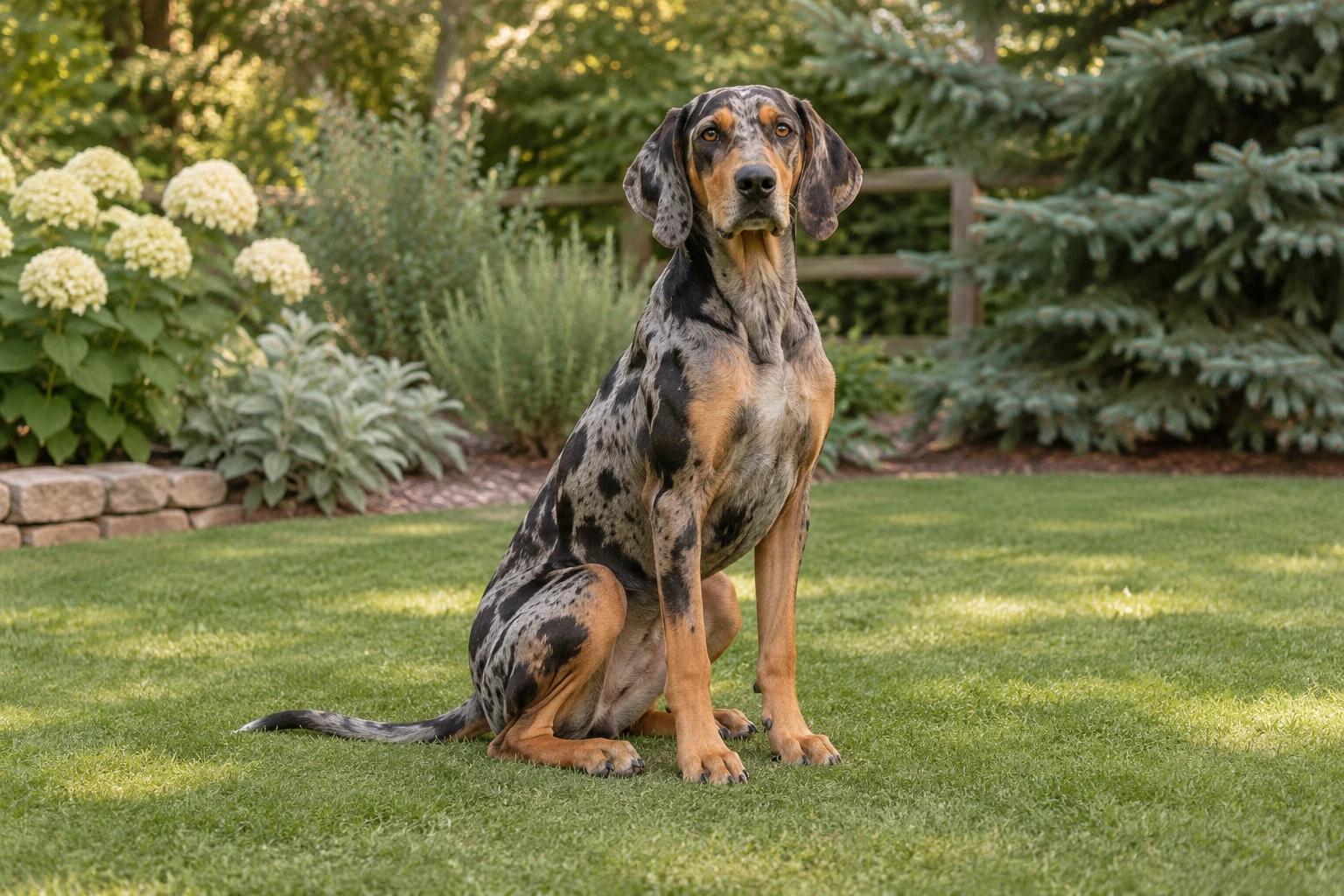
American Leopard Hound hunting interests often bring people to this breed before they consider what sharing a home with one involves. The useful question is not only what the dog was developed to do. It is how that working background fits the activities, instruction, and daily attention you can provide.
The American Leopard Hound profile describes an active, vocal dog. Those qualities belong in your plans even when you are not heading into the field. A hunting background is part of understanding the breed, not a complete schedule for living with an individual dog.
American Leopard Hound hunting starts with tracking and treeing
The UKC breed standard identifies the American Leopard Hound as a tree dog that follows scent and gives voice while trailing. In ordinary language, tracking means following a scent trail; treeing refers to locating quarry in a tree and indicating that location. These terms describe different parts of a working task.
AKC's breed introduction also places scent tracking at the center of the breed's working identity. That helps explain why an interesting smell can matter more than the route a person had in mind.
For an owner, the practical lesson is to notice when an outing changes from shared walking into absorbed investigation. The dog may be engaged in something meaningful even when you cannot see what has caught its attention. Your plan needs to account for that interest rather than treating every pause as wasted time.
American Leopard Hound coon hunting: questions before participation
If American Leopard Hound coon hunting is your interest, start by finding experienced local instruction rather than relying on a short online description. Ask what a beginner observes first, how dogs are introduced to the setting, and what preparation is expected before participation.
Request a clear explanation of the activity from departure to return. How are dogs transported? Who is responsible for each dog? What happens when conditions change or a dog needs to stop? Knowing the whole process is more useful than seeing only an exciting moment on video.
Check current local requirements and landowner permission before making plans. Requirements depend on the location and activity, so a practice described by someone elsewhere is not permission for your own outing. Ask the organizer which official information you should consult.
Learn the language without skipping the basics
A newcomer may hear several specialized terms at once. Ask the instructor to explain what each term means in the actual session and what you should be watching for. There is no benefit in pretending to understand a procedure involving a dog you are responsible for.
Make sure the instruction covers handling and recovery, not just searching. A plan that explains how an activity starts but not how it ends leaves an important gap. Before joining, understand who makes the decision to finish and how everyone returns together.
Hunting with an American Leopard Hound is a partnership
Hunting with an American Leopard Hound requires more than an interest in the breed's reputation. The handler needs to understand the individual dog's experience, responses, and limits. A dog new to a setting should not be treated as interchangeable with an experienced dog in a demonstration.
Ask about the dog's previous routine in concrete terms. What settings are familiar? How does the dog travel? What signals have been taught? Which situations are still being introduced? These answers make a useful starting point for instruction.
Keep communication between handlers consistent. If one person uses a word to end an activity and another uses the same word casually, the dog receives an unclear message. Agree on the necessary signals with your instructor and practice them in suitable introductory settings.
Do not use a breed description as a reason to ignore discomfort or changing conditions. For questions about physical readiness, conditioning, or a change in the dog's ability to participate, talk with your veterinarian. Field instruction and veterinary guidance serve different purposes.
What the hunting background means away from the field
An American Leopard Hound hunting dog still spends much of life outside organized activity. Think about the transition home: where the dog rests, how travel equipment is stored, and how ordinary outings provide engagement between larger events.
A yard is a place, not an activity plan. Consider what you will actually do together there. A short search exercise, a familiar training task, or supervised exploration gives the space a purpose. Leaving the dog outside does not explain what you want it to do.
Voice also deserves practical thought. The site describes the breed as very vocal. Consider the distance to neighbors, shared walls, and the times when outdoor activity would be disruptive. Choose arrangements that fit your surroundings instead of expecting the breed label to become irrelevant at home.
Build an ordinary-day version of the plan
You may have an excellent weekend arrangement but a much less clear weekday one. Identify the activities that remain available when you cannot travel. The ordinary-day version should be something you can genuinely deliver, not an ambitious substitute that never happens.
For example, choose a familiar walking route with time to investigate smells, then a brief indoor learning activity. Keep rest separate from entertainment rather than filling every moment with stimulation. Observe which combination helps your own dog move comfortably between activity and downtime.
Scent activities do not have to involve hunting
An owner interested in the breed does not have to turn every nose-led activity into field work. AKC's indoor scent-game guide describes simple food searches as one way to offer mental engagement. Start with an accessible search area and a clear finish rather than making the first game difficult.
One practical approach is to designate a small, uncluttered area for supervised searching. Keep the setup easy to reset and separate from places where you do not want the dog investigating. If you want a structured hobby, ask a local instructor about beginner scent activities and what supplies are actually needed.
Our related article on working-ability claims addresses a different question about interpreting appearances. Use the dog match quiz to consider the broader lifestyle fit before deciding whether the breed's working interests suit yours.
FAQ
What kind of hunting is the American Leopard Hound associated with?
The American Leopard Hound is associated with scent trailing and treeing. Understanding those working tasks helps explain the breed's interest in smells and vocal activity. Anyone considering participation should seek experienced local instruction and check the requirements for their location.
Does every American Leopard Hound need to hunt?
No. Owners can provide engaging activities without hunting, including supervised scent games and structured learning. The important question is whether the individual dog's activity and training needs fit the home, rather than whether the owner recreates a particular working role.
Is a yard enough for an American Leopard Hound?
A yard alone is not an activity plan. Consider supervised exploration, learning, and outings as well as rest. The breed's active, vocal profile should guide practical decisions about how the space is used and how close it is to neighbors.
What should a beginner ask a hunting instructor?
Ask about preparation, handling responsibilities, permissions, stopping procedures, and returning with the dog. A useful introduction explains the whole outing, not only the searching portion. Discuss questions about physical readiness separately with your veterinarian.
Sources behind this article
Article source checked: November 14, 2026. Source checked 2026-11-14
Keep reading

Afghan Hound Exercise Needs: Build a Workable Active Day
Read article →