American Bulldog Size and Weight: Planning for an Adult
Explore American Bulldog size and weight, male and female ranges, shoulder height, type labels, and practical equipment planning.
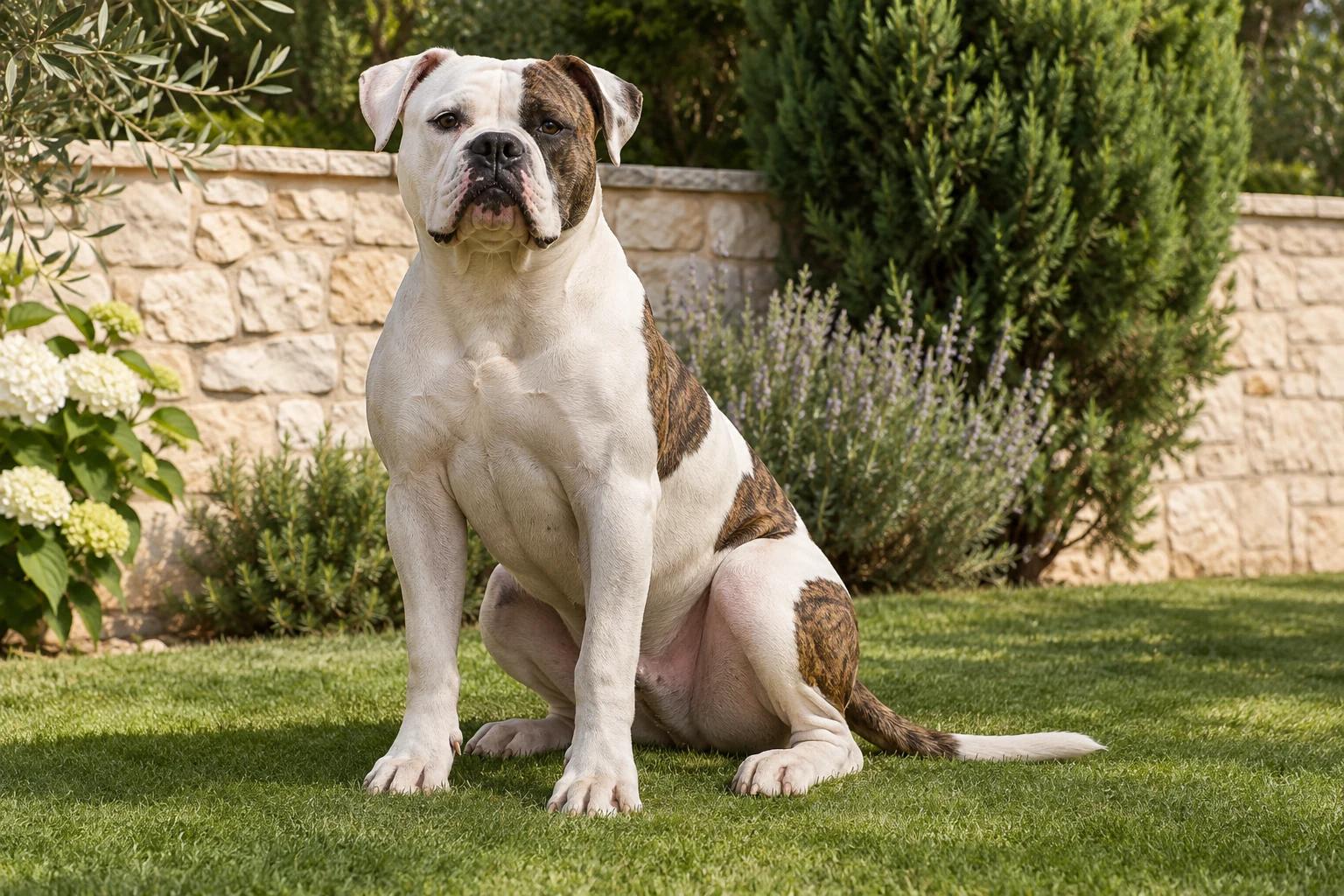
American Bulldog size and weight are worth checking before buying equipment, arranging transport, or deciding where the dog will sleep. These are substantial dogs, and a puppy photograph does not show how an adult will fit into the spaces you use every day.
My Breed Atlas lists typical males at 75–100 pounds and 22–25 inches tall, with females at 60–80 pounds and 20–23 inches. Use those ranges to plan, then use the individual dog's measurements for purchases. The American Bulldog breed page brings those figures together with the breed's everyday care profile.
American Bulldog size and weight at a glance
The full typical weight span across males and females is 60–100 pounds. That is a combined range, not a separate target for every dog. Keeping the sex-specific figures visible makes the information more useful than treating every American Bulldog as the same size.
The AKC-hosted breed standard gives shoulder-height ranges matching the site's figures and describes weight in proportion to size. VCA's breed overview lists the overall 60–100-pound span.
A range describes a population; it does not tell you that an individual should weigh the upper or lower number. If you are unsure about your dog's weight or growth, talk with your veterinarian rather than adjusting food to reach a number from a breed page.
Keep height and weight separate
Height tells you something different from weight. Two dogs can stand at a similar shoulder height while having different body dimensions. For equipment, a label such as “large breed” leaves out the measurements that determine whether an item fits.
Record the unit every time. Inches and centimeters, or pounds and kilograms, should never share a column without labels. That small administrative detail becomes useful when a breeder, veterinarian, equipment maker, and transport company use different systems.
How big do American Bulldogs get in everyday spaces?
“How big do American Bulldogs get?” becomes easier to answer when you translate numbers into specific places. Consider the sleeping area, the space beside your desk, the entrance to the car, and the narrowest passage between rooms.
Before buying a bed, mark its dimensions on the floor with removable tape. Check whether doors still open and people can move past it. A bed that technically fits a corner can still interrupt the route everyone takes to the kitchen.
For travel, measure the usable space after accounting for seats, luggage, and the restraint or carrier you intend to use. The empty cargo area's dimensions may not reflect the arrangement on a real journey. Test the plan while the car is parked rather than discovering the problem at departure time.
If another person will provide care, discuss practical handling and transport with them. Do not assume their equipment will fit because they already own a large dog. Ask what information they need and supply actual measurements where possible.
Measuring American Bulldog height correctly
American Bulldog height refers to the withers, the shoulder area at the top of the back, not the top of the head or ears. Measure with the dog standing naturally on a level surface. A head held high should not add inches to the recorded breed height.
If the dog is uncomfortable with the process, do not turn measurement into a struggle. Ask someone experienced to help demonstrate a calm approach. An estimate taken while a dog is crouching or leaning is not a good basis for deciding whether an item will fit.
For home records, write down the date and method alongside the number. A rough household measurement and one taken professionally may differ. Keeping that context is more useful than treating every small difference as a change in the dog.
Equipment needs its own measurements
A harness usually requires measurements beyond shoulder height. Follow the maker's measuring guide for the exact product, including the relevant chest and neck dimensions. Compare the dog's measurements with the adjustable range, not only the product's size name.
A crate, carrier, or bed involves a different set of dimensions again. Read the manufacturer's instructions for appropriate interior space and use. The outside dimensions on a listing may include frames, wheels, or handles that do not increase the room available inside.
American Bulldog standard vs classic: ask what the label means
Searches for American Bulldog standard vs classic often mix questions about appearance with questions about size. Do not assume those labels provide two universal weight charts. The AKC-hosted standard consulted here gives male and female height ranges and proportional weight, not a separate numerical weight table for each label.
When a breeder or owner uses a type name, ask what they mean in that context. Request the actual adult measurements and clear, recent photographs of the dogs being discussed. If a particular registry or written standard is relevant, ask which one rather than comparing labels from unrelated sources.
For a household decision, descriptive evidence beats a label. How large is this adult? What equipment currently fits? Can the dog travel comfortably in your intended setup? Those questions remain useful even when two people use type terminology differently.
Do not turn a preference for one appearance into a claim about health or behavior. A head shape, weight, or type name does not establish how the individual dog will fit your life.
Planning for a puppy without guessing a final number
Keep puppy measurements as dated observations rather than promises. Ask about adult relatives, but distinguish their recorded sizes from a prediction about this puppy. You can prepare for the site's adult range without claiming to know the final result.
Buy adjustable items where appropriate and check their fit as the puppy grows. Keep receipts and sizing details so replacing an item is straightforward. Avoid buying several stages of equipment solely from a homemade growth forecast.
Consider the less visible consequences of size, too. Can the resting area remain available when furniture moves? Will the travel setup still work when another passenger joins? Does the person helping with care have access to suitable equipment? These are planning questions, not reasons to rank bigger dogs above smaller ones.
Our American Bulldog skin article addresses a separate care subject. For choosing among breeds, the dog match quiz can help you organize preferences alongside size, activity, and household routine.
FAQ
What is the typical American Bulldog weight range?
My Breed Atlas lists adult males at 75–100 pounds and females at 60–80 pounds, giving an overall span of 60–100 pounds. These are typical breed ranges, not a target weight for an individual. Talk with your veterinarian about your dog's own weight.
How tall is an American Bulldog?
Typical American Bulldog height is 22–25 inches for males and 20–23 inches for females, measured at the withers. Measure to the shoulder area, not the top of the head. Use product-specific measurements when selecting equipment.
Do standard and classic American Bulldogs have separate weight limits?
Do not assume the labels define universal weight limits. The AKC-hosted standard consulted for this article specifies height by sex and weight proportional to size. Ask the person using a type label which written standard and actual adult measurements they mean.
Can I choose a harness from an American Bulldog's weight alone?
Weight alone is not enough to select a harness. Follow the manufacturer's guide for the exact product and measure the required areas, usually including the chest and neck. Check the available adjustment range and reassess fit as a puppy grows.
Sources behind this article
Article source checked: November 14, 2026. Source checked 2026-11-14
Keep reading

Airedale Terrier Temperament: What Everyday Life Can Feel Like
Read article →